Friday, June 26, 2026
Home Blog Page 36

Lemon Tree Hotels Expands in Madhya Pradesh with New Bhopal Property

Lemon Tree Hotel

Lemon Tree Hotels Limited, one of India’s leading hotel chains, has announced the signing of a new property in Bhopal, further strengthening its footprint in Madhya Pradesh’s growing tourism and business travel market. The new property, set to open in the coming years, reflects the company’s confidence in Bhopal’s potential as a fast-emerging hub for both leisure and corporate travelers.

The signing marks another milestone in Lemon Tree’s expansion strategy, which focuses on developing modern, comfortable, and value-driven accommodation options across major Indian cities and upcoming travel destinations. With this addition, Lemon Tree Hotels aims to support the growing tourism ecosystem in Madhya Pradesh, while contributing to the state’s hospitality infrastructure.

Strengthening Hospitality in the Heart of India

Bhopal, the capital city of Madhya Pradesh, is known for its rich heritage, lakes, and growing industrial presence. Over the past few years, it has witnessed steady economic growth driven by manufacturing, technology, education, and infrastructure projects. The city’s connectivity improvements and its location between major travel routes have made it one of the most promising destinations for hotel investors and travel operators.

According to the company, the upcoming Lemon Tree Hotel in Bhopal will cater to a wide range of travelers—corporate guests, government officials, and leisure tourists. The property is expected to offer state-of-the-art facilities, including spacious rooms, a multi-cuisine restaurant, conference spaces, fitness amenities, and other signature services that the Lemon Tree brand is known for.

Company officials expressed optimism that the new property will not only enhance the brand’s portfolio but also create local employment opportunities and support related businesses in the hospitality ecosystem.

Madhya Pradesh: A Rising Tourism Destination

Madhya Pradesh, often called the “Heart of India,” has made significant strides in positioning itself as a major tourism and investment destination. The state government’s focus on promoting eco-tourism, cultural heritage sites, and industrial growth has attracted a growing number of domestic and international visitors. Cities like Bhopal, Indore, Gwalior, and Jabalpur are witnessing an increase in hotel developments, with national chains and boutique operators joining the expansion wave.

The addition of Lemon Tree Hotels in Bhopal comes at a time when travel demand across central India is on the rise. Post-pandemic, the revival of domestic travel has been strong, and business tourism, in particular, has bounced back faster than expected. With infrastructure upgrades, better air and rail connectivity, and new event spaces coming up across the city, the hospitality outlook for Bhopal remains strong.

A Step Forward for Lemon Tree Hotels

Lemon Tree Hotels Limited has consistently expanded its portfolio across different segments of hospitality—from premium to mid-scale and economy. The company currently operates several brands, including Lemon Tree Premier, Lemon Tree Hotels, Red Fox Hotels, and Aurika, to serve diverse customer needs.

By adding Bhopal to its network, Lemon Tree continues its focus on regional growth and tapping into the untapped potential of Tier-II and Tier-III cities. Madhya Pradesh already features a few operational Lemon Tree properties in cities such as Indore and Khajuraho, which have received positive responses from travelers. The new addition in Bhopal will further consolidate the brand’s presence in the region.

According to reports, Lemon Tree Hotels follows a mixed model of owned, managed, and franchised properties, allowing the company to scale efficiently. The upcoming Bhopal hotel is expected to follow a similar model, depending on the partnership agreements in place.

Boost to Local Economy and Employment

Hospitality investments often bring wider economic benefits to their host regions. The new Lemon Tree property in Bhopal is expected to generate several direct and indirect employment opportunities for the local workforce. The construction phase will involve local contractors and suppliers, while hotel operations will create roles across hospitality services, management, maintenance, and logistics.

In addition to employment generation, such developments elevate local businesses and tourism suppliers—from cab operators and restaurants to event organizers and handicraft sellers. As Bhopal continues to grow as a meeting and convention destination, hotels like Lemon Tree are set to play a significant role in offering modern infrastructure for conferences, seminars, and public events.

Commitment to Sustainable Hospitality

Lemon Tree Hotels has maintained a strong focus on sustainability and inclusive employment practices throughout its journey. The company is known for its eco-friendly initiatives, energy-efficient building designs, and responsible tourism approach. Many of its hotels employ a diverse workforce, including individuals with disabilities and those from economically weaker backgrounds.

The new hotel in Bhopal is expected to follow these same principles, incorporating green building elements and sustainable operations that align with the brand’s corporate social responsibility goals. Such initiatives not only enhance brand reputation but also set standards for sustainable tourism in the state.

Looking Ahead

Madhya Pradesh’s tourism and hospitality landscape continues to evolve with increased demand for high-quality accommodations, better amenities, and professional service standards. Lemon Tree Hotels’ decision to strengthen its presence in Bhopal mirrors this positive sentiment and the growing investor confidence in the region.

As the new property moves from planning to construction, it will potentially position Lemon Tree Hotels as one of the leading hospitality brands in central India. With its mix of comfort, quality, and affordability, the brand is likely to become the preferred choice for both domestic and business travelers visiting Bhopal in the years to come.

The signing of this hotel marks more than just business expansion for Lemon Tree—it represents a commitment to supporting Madhya Pradesh’s vision for economic development and tourism growth. Through projects like this, Bhopal continues to build its image as a modern, vibrant city that combines tradition, progress, and opportunity.

Hyderabad Investors Commit ₹6,600 Crore to Madhya Pradesh, Thousands of Jobs to Follow

Madhya Pradesh

In a major development signaling confidence in Madhya Pradesh’s growing business ecosystem, investors from Hyderabad have pledged new investments worth ₹6,600 crore across multiple sectors. The new projects are expected to generate thousands of direct and indirect employment opportunities, strengthening the industrial base of central India.

Boost to Madhya Pradesh’s Investment Landscape

The announcement comes as part of Madhya Pradesh’s continued efforts to attract private investments and turn the state into a hub of manufacturing, IT services, and green energy. The state government, led by Chief Minister Mohan Yadav, has been actively engaging with industrial groups from various parts of India, offering an investor-friendly policy environment, strategic location advantages, and infrastructure support.

Officials from the state’s investment promotion department noted that the new commitments from Hyderabad-based investors mark one of the largest regional investment initiatives in recent months. These projects are expected to boost sectors like textiles, pharma, information technology, food processing, and renewable energy. The upcoming ventures align with Madhya Pradesh’s broader development agenda under the “Make in Madhya Pradesh” initiative.

Key Sectors Seeing Growth

Sources indicate that a significant portion of the ₹6,600 crore investment will focus on value-added manufacturing, agribusiness, and logistics infrastructure. Hyderabad-based industrial houses have shown strong interest in establishing units in Indore, Pithampur, Mandideep, and Dewas—districts already recognized as industrial growth centers within the state.

In the pharmaceutical and healthcare equipment sector, several investors plan to set up advanced manufacturing facilities, citing the availability of skilled manpower and cost-effective logistics. The food processing sector is also expected to witness massive growth, with investors aiming to tap Madhya Pradesh’s abundant agricultural base for processing fruits, grains, and pulses locally before sending them to domestic and export markets.

Textile manufacturing, a crucial employment-generating sector, is another key area drawing investor attention. With industrial parks being expanded and new policies promoting ease-of-doing-business, Madhya Pradesh is emerging as a preferred destination for investors from southern India.

Thousands of Jobs on the Horizon

The state government has projected that these new investments will create thousands of direct jobs for local youth. Additionally, indirect employment in logistics, construction, supply chain management, and small-scale units connected to these industries will multiply the overall economic impact.

Investment officers estimate that once the projects reach full operational capacity, they could support over 25,000 direct and indirect jobs. This development will not only reduce unemployment levels in semi-urban pockets but also increase income levels in rural regions connected to the industrial supply chain.

Strong Policy Support from State Government

Madhya Pradesh has recently implemented several reforms to ease investment processes. The state’s single-window clearance mechanism, sector-specific incentives, and customized infrastructure support have played a key role in strengthening investor confidence. These efforts have helped Madhya Pradesh rise in national rankings for “Ease of Doing Business.”

The government has also been focusing on improving road, rail, and power connectivity to major industrial clusters. In particular, the Delhi-Mumbai Industrial Corridor (DMIC) and the Indore–Manmad freight corridor are expected to make logistics more efficient for investors.

A senior official from the Madhya Pradesh Industrial Development Corporation (MPIDC) mentioned that talks with businesses from Hyderabad have evolved over months of roadshows and investment summits. He added that the trust shown by southern investors reflects the state’s transparent policies and long-term growth stability.

Collaboration Between Regions

The collaboration between Hyderabad’s investor network and Madhya Pradesh’s growing industrial corridors reflects the strengthening economic ties between southern and central India. Industry experts believe that this cross-regional partnership could set a new trend in intra-India investment flows, where prosperous industrial hubs support emerging growth regions with expertise, technology, and finance.

Economic analysts also highlight that this decision aligns with India’s broad national push for balanced regional development. As metro cities face saturation, states like Madhya Pradesh offer sustainable land, infrastructure, and workforce opportunities that can host the next wave of industrial growth.

Vision for the Future

The Madhya Pradesh government has emphasized that these investments are just the beginning of a much larger economic transformation. With industrial parks being upgraded and land banks prepared for future investors, the state aims to attract over ₹1 lakh crore in investment commitments over the next few years. Officials are hopeful that continued partnerships with business leaders from cities like Hyderabad, Bengaluru, Pune, and Mumbai will help achieve this vision.

Meanwhile, Hyderabad-based entrepreneurs expressed optimism about the collaboration. They praised Madhya Pradesh’s business environment, saying the state offers both connectivity and human capital at competitive rates, providing a strong foundation for sustainable operations.

One of the industrial representatives from Hyderabad reportedly said that the mutual understanding between the two regions will drive long-term progress and job opportunities for thousands of people. He added that the investment in Madhya Pradesh also supports the national goal of self-reliance and inclusive economic growth.

Strengthening Employment and Growth

As work begins on these new ventures, the impact will gradually reflect in the state’s employment figures and industrial output. The multiplier effect on small and medium enterprises, local services, and logistics networks is expected to be substantial.

With new projects mapping out across districts, Madhya Pradesh is poised to become one of the leading destinations for domestic and international investments over the next decade. The ₹6,600 crore commitment from Hyderabad investors sets a promising tone for what could be a transformative phase in the state’s industrial journey.

India Pushes Investment Drive in Defence, Rail, and Green Energy with New Incentive Package

India

The Indian government has unveiled a series of special incentives for the private sector. This move aims to boost strategic investments across three vital areas: defence, rail infrastructure, and renewable energy. As the country pushes for economic growth and sustainable development, these sectors have emerged as top priorities in recent policy discussions.

Industry leaders and government officials are confident that these incentives will strengthen national capabilities, create jobs, and mark India’s progress towards self-reliance. The initiative reflects the government’s ambition to not only modernize infrastructure but also embrace cutting-edge technology with active participation from private companies.

Defence Sector: New Avenues for Business

Defence manufacturing has become a focal point for India’s ambition to reduce dependency on imports and achieve atmanirbharta, or self-reliance. The government’s new package offers tax benefits and fast-track clearances for private firms entering the defence production ecosystem.

Home-grown companies can now collaborate with major global players and local startups to build advanced defence equipment. The policy specifically encourages investment in components manufacturing, assembly, and research & development. Industry sources reveal that these measures may lead to the creation of thousands of jobs, with Maharashtra and Madhya Pradesh among the most active regions for new defence contracts.

Senior officials in the Defence Ministry have also hinted at more liberalized foreign direct investment (FDI) norms. This is expected to bring technical expertise and international capital, raising product quality and increasing domestic competitiveness. “India’s defence growth depends on strong public-private partnerships,” a senior official stated recently.

Rail Infrastructure: BEML’s Coach Factory Project Gains Momentum

Another major announcement is the BEML rail coach project, drawing national attention for its scale and long-term impact. BEML Limited, a leading player in rail manufacturing, is spearheading a large coach factory that is set to transform India’s public transportation.

The factory, situated strategically to cater to Western and Central Indian rail networks, promises to add thousands of high-tech rail coaches to the country’s lines over the next decade. What makes this project stand out is the emphasis on ‘Make in India’—at least 85% of components will be sourced locally, stimulating regional supply chains and small businesses.

Thanks to government-backed incentives, such as subsidized land, low-interest loans, and R&D grants, BEML and its private partners will be able to streamline production and roll out coaches equipped with modern safety features and energy-efficient technologies. The new plant will also facilitate training centers for engineers and technicians, preparing local talent for future demands.

“Railways are the backbone of our economy, and this initiative will provide much-needed capacity and create skilled jobs,” said an executive overseeing the project. Stakeholders predict that these developments will attract further investment in rail infrastructure across the states of Maharashtra and Madhya Pradesh.

Renewable Energy: Neemuch Hydroelectric Power Plant Gets a Push

India’s energy policy is increasingly focused on renewables, and Neemuch in Madhya Pradesh has become the site of a landmark hydroelectric power project. The government’s incentives package includes tariff guarantees, easier licensing, and priority grid access for private players engaged in sustainable energy.

The Neemuch plant will harness river potential to generate clean electricity, projected to power over one million homes in the region. This large-scale facility will use state-of-the-art technology to ensure high efficiency and minimal ecological impact. Local officials highlight employment opportunities for engineers, unskilled labor, and logistics staff, marking a boon for the regional economy.

Private companies have responded with enthusiasm, expressing interest in partnering with local authorities and international experts. The state government has also emphasized the importance of renewable energy in meeting climate goals and reducing reliance on fossil fuels. “Neemuch is set to become a model for green energy projects in central India,” said the district energy officer.

Opportunities for Startups and Local Businesses

The policy rollout has been particularly encouraging for startups and small businesses. With simplified application procedures and financial support, young entrepreneurs can now bid for contracts and participate in auxiliary services such as logistics, maintenance, and innovation.

Experts believe these incentives will create a ripple effect, sparking entrepreneurship and skills development within Maharashtra and Madhya Pradesh. Local chambers of commerce are already organizing workshops and matchmaking events to bring together investors and business owners.

Building a Brighter Future

India’s latest strategy to promote private sector involvement in defence, rail, and renewable energy represents a major step towards economic progress. As projects like the BEML coach factory and Neemuch power plant move forward, the lasting impact will be felt through job creation, environmental sustainability, and world-class infrastructure.

With ongoing focus on inclusive growth, stakeholder collaboration, and transparent policy implementation, the government hopes to inspire greater participation—and confidence—from the private sector.

Niswarth Kadam Strengthens Rural Healthcare Through Manu Health Care Center in Ghurdaur, Kullu

Manu Health Care

Kullu, Himachal Pradesh:
Niswarth Kadam, under the leadership of Dr. Pramod Raghav, has established the Manu Health Care Center in Ghurdaur, a village in the Kullu district of Himachal Pradesh. The initiative aims to provide free, reliable, and accessible healthcare to remote Himalayan communities that often struggle with limited medical infrastructure. The project is supported in association with Shastra Society.

A Mission Born from Ground Realities

Recognizing the severe lack of accessible healthcare in mountainous villages, Niswarth Kadam set out to create a center where villagers could receive free treatment, free medicines, and continuous healthcare support within their own region. With Dr. Pramod Raghav’s vision and guidance, the Manu Health Care Center has been designed as a compassionate, community-oriented healthcare hub.

Extending Healthcare to the Last Mile

The center has significantly transformed healthcare access by not only treating patients onsite but also carrying healthcare to their doorstep. Key services include:

Organizing regular health camps across nearby villages

Doorstep medical visits for elderly and immobile residents

Free medicines for all patients

Essential treatments and primary healthcare support

Dental services, oxygen support, and basic diagnostic assistance

Health awareness sessions for women, including sanitary napkin distribution

With these efforts, the center has become a trusted lifeline for residents of Ghurdaur and surrounding areas.

Dr. Pramod Raghav – A Visionary Leading from the Front

Dr. Pramod Raghav has long been known for his dedication to public welfare, social empowerment, and community upliftment. His leadership ensures that the initiative remains focused on dignity, accessibility, and true service to the marginalized. His involvement with Niswarth Kadam has brought structure, compassion, and long-term vision to this healthcare mission.

Niswarth Kadam – 15 Years of Selfless Service

For more than a decade and a half, Niswarth Kadam has been working in various domains such as:

Education and support for underprivileged children

Healthcare and medical assistance

Food and clothing distribution

Nutrition programs

“Wall of Kindness” (Neki ki Deewar) initiative

Welfare activities across rural clusters

The Manu Health Care Center is a landmark achievement in its ongoing commitment to social upliftment.

Future Roadmap

Niswarth Kadam aims to replicate the model of the Manu Health Care Center in other rural and hilly regions across India, building a network of free community-health hubs that bring treatment and compassion directly to the doorstep of those who need it most.

Growing Number of Men Turn to Homeopathic Care as Premature Ejaculation Becomes a Major Health Concern in India.

Erecto

Premature ejaculation is proving to be one of the most frequently reported male sexual health problems and many are seeking options of treatment where they can have privacy, comfort and long term benefits. Overall, online healthcare sites have gained popularity in recent months as a preferred way men should seek guidance without the shame that is commonly linked to the face to face visits. These platforms have witnessed an especially significant increase in the number of consultations in which the premature ejaculation issue was addressed and Erecto has been one of such platforms where consultants have begun to approach sensitive health issues in a new way.

According to the homeopathic experts of the platform, the number of first time patients has increasingly contacted them since lack of control, low performance confidence and emotional stress go hand in hand with the condition. Homeopathic therapies are receiving popularity among such people since they are seen as natural, mild and appropriate to recovery with long term results. Erecto provides the services of highly qualified homeopathic sexologists who have been in the field of sexual wellness and know the psychological and physical stratum of premature ejaculation.

Among the top practitioners posted on the site is Dr Ravindra Sharma, a BHMS and MD in homeopathy with over fifty two years of clinical practice. His many decades of experience in the treatment of male sexual health issues such as premature ejaculation have earned him a good name with patients who prefer a discreet and holistic approach. The work done by Dr Sharma is a contribution to the fact that alternative treatments are also increasingly being described as effective, particularly those that are non-invasive and are favored by men.

Erecto also boasts a good panel of other experts including ayurvedic experts like Dr Vinod Gupta, specializing in men’s health and urology and Dr Abhishek Kumar, a well experienced wellness practitioner with an MBBS background. These professionals together offer a multi dimensional approach to treatment through which natural treatments are incorporated with general lifestyle and wellness advice. This cohesive system has assisted the platform to gain credibility among the users who would have been reluctant to seek assistance in the old clinic systems.

Platform statistics show that there is a substantial increase in patients who have sexual wellness concerns with premature ejaculation being one of the most frequent causes of consultations. Although Erecto has been healing over sixty five thousand patients across the globe on diverse ailments, a significant number of clients today call the health center to seek sexual performance related complications. This is a tendency that shows how the male gender is becoming more open and discussing issues that were hitherto regarded as a taboo.

The ease of access to medical advice without violating individual privacy is one of the factors that make Erecto gain popularity. The platform offers video and audio consultation services with the possibility of attending related clinics where necessary. The medicines are administered to the homes of the patients within days and hence there is smooth continuity in administration. Such convenience is particularly significant among those who are unwilling to find help in traditional channels.

The other aspect that has led to increases in consultations is the endeavor by the platform to generate awareness in the form of educational articles and actual patient experiences. These resources enable men to be in a better position to learn more about premature ejaculation and its causes, emotional impacts as well as available natural remedies. Erecto has helped in eliminating stigma towards sexual health by encouraging people to speak freely and have trust in the information they access.

With the continuing increasing trends in the discourse of men’s wellness, premature ejaculation is at last getting the much needed publicity. Spreading and gaining popularity in India, digital healthcare solutions are assisting men in discovering confidential, long term and holistic treatment life paths through platforms such as Erecto. It is estimated that the need for specialized sexual wellness care will keep increasing in the near future as more men resort to natural therapies due to the rising awareness.

Inventor of India’s First Porotta Roll: A Family Innovation That Changed Indian Fast Food

The Porotta Roll

The Porotta Roll may be a modern youth favourite today, but its story began in 1979, when a single idea reshaped India’s fast-food culture.

Reinventing a Dish That Was Struggling

Porotta, when first introduced, didn’t attract customers. People didn’t understand the taste or texture.
But instead of stopping, the restaurateur looked for a new approach.

The Breakthrough: A Homemade Masala + A New Method

His wife created a homemade spice blend that brought flavour and depth to the dish.
Using it, he prepared:
• chicken
• onions
• mild sauces

Wrapped tightly in a hot porotta and grilled — this became India’s first Porotta Roll.

PUNE 1995: The First Big Breakthrough

In 1995, after the family shifted to Pune, the Porotta Roll gained massive popularity.

Students, working professionals, and Arab youth embraced it instantly for its:
• great taste
• portability
• affordability
• modern appeal

Pune played a crucial role in making the Porotta Roll a recognised street-food star.

2010: The Three Sons Build the Modern Brand

In 2010, the inventor’s three sons took over the mission.
They:
• built a proper stand-alone Porotta Roll café concept
• preserved the original taste
• introduced brand consistency
• expanded across cities

This moved the Porotta Roll into a new generation of fast-food culture.

A Legacy of Growth and Popularity

From a struggling idea to a nationwide favourite, the Porotta Roll is now a symbol of innovation, family legacy, and Indian street-food evolution.

Today, the family’s outlets together sell more than 10,000 Porotta Rolls every single day — proving the lasting success of this iconic creation.

Youthville Hostels Proudly Participates in ET Summit 2025 as a Leading Voice in India’s Student & Co- Living Industry

Youthville Hostels

Youthville Hostels recently had the privilege of attending the ET Summit 2025, one of the country’s most respected platforms for real estate, urban development, and emerging living solutions. Being invited to this forum was a moment of pride for us — a clear recognition that Youthville has become one of Maharashtra’s leading and most trusted names in the organised student housing and youth living segment.

A Significant Moment for Youthville

Our presence at the Summit reinforced what the industry already acknowledges:
Youthville is not just a participant in the student housing & Co-living space — we are shaping the standards of this industry.

The ET Summit invites only those brands that demonstrate credibility, scalability, and long-term impact. For Youthville, being part of this forum highlighted:

  • Our evolving leadership in the youth housing market
  • Our strong brand trust has been built over the years
  • The organized structure and stability we bring to this sector
  • Our commitment to meaningful, youth-centric living solutions

Youthville at ET Realty Summit 

The youth accommodation ecosystem is transforming rapidly, and Youthville stands at the forefront of this evolution.
Youthville’s relevance to ET Realty Summit was majorly on the below notes: 

  • Proven operational excellence
  • Standardized, professionally run hostels
  • Safety-first, community-first living model
  • Strong occupancy and market-wide presence
  • Ability to address the pain points of unorganized PGs and hostels

The Summit recognized Youthville as a thought leader capable of adding value to discussions on the future of organised student housing & co-living. 

Youthville as a Representation of Youth Accommodation Solution

At the event, we proudly represented the needs, challenges, and opportunities of the youth housing industry.
Our insights focused on:

  • The growing demand for trustworthy, well-managed student accommodation & Co-living spaces 
  • The need for safe and secure spaces for students & young professionals across Maharashtra
  • Experience-based living as a key differentiator
  • How organized players like us are redefining quality in this sector
  • The role of community, mental well-being, and lifestyle integration in modern hostels

What Problem Youthville Is Solving

For decades, the youth have struggled with unregulated PGs, a lack of hygiene, unhygienic food, safety issues, unpredictable pricing, and zero community engagement.

Youthville solves these long-standing gaps by creating:

  • Secure, standardized, high-quality hostels
  • Tech-enabled management systems
  • Transparent processes
  • Community-driven environments that support growth and well-being
  • Affordable, reliable living options for youth across cities

Youthville ensures that today’s youth do not just get a room — they get a complete ecosystem.

Youthville as a Leading Name…

Attending the ET Summit 2025 wasn’t simply an event for us —
It was a moment of pride, acknowledgement, and motivation.

It validated what we stand for:
Youthville is one of the most stable, innovative, and influential brands in the youth living and hostel industry today.

Looking Ahead

We extend our gratitude to ET Summit for inviting us and recognizing the work we do.
Youthville will continue to build safe, vibrant, community-focused living experiences for the next generation of students and young professionals.For more information, visit:
🌐 youthvillehostel.com
📧 info@youthvillehostel.com
📞 73857 77050

Constitution Ratna Award Ceremony Held at Constitution Club, New Delhi

Ratna Award Ceremony

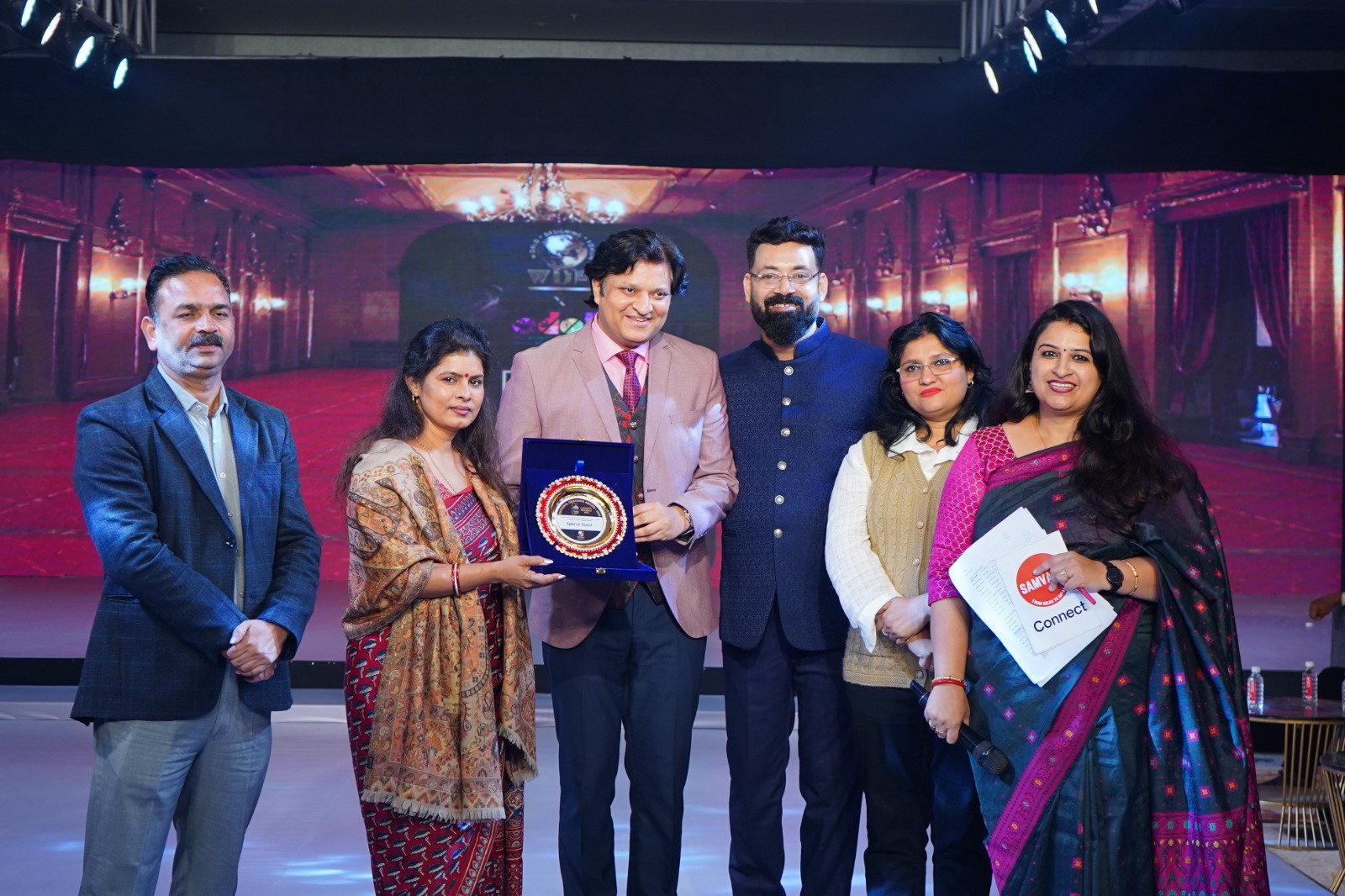
New Delhi, November 24 – The Constitution Ratna Award Ceremony was held on November 23 at the Constitution Club, New Delhi. The event honored distinguished individuals from various fields, including Delhi Police officers, judges, advocates, bureaucrats, and other eminent personalities.

The ceremony was graced by esteemed guests, including Justice K.G. Balakrishnan, the 37th Chief Justice of India, Shri Shyam Jajoo, Senior Vice President of the Bharatiya Janata Party, Dr. C.K. Khanna, former President of the VCCI and Member of the IPL Governing Council, Shri Valmiki Prasad, National President of the All India Panchayat Parishad, Vaidya Satya Prakash Arya, Founder of Nadi Vaidya Kayakalp, and District Judge Banaras Anil Yadav.

Dr. M.A. Khan, Chairman of Bharat Manch, emphasized the importance of the Constitution, stating, “The Constitution is supreme, and it is the soul of India. We must all adhere to it and uphold its values.”

Dr. Prashant Dwivedi, President of Bharat Manch Trust, said, “Bharat Manch is a platform for every Indian, and we have faith in the Constitution. We are celebrating Constitution Day by honoring individuals who have made significant contributions to the nation and upheld the Constitution.”

The awardees included:

Dr. C.K. Khanna, former BCCI President and Member of the IPL Governing Council ACP Sandeep Malhotra, Delhi Police ACP Neeraj Kumar, Special Cell, South Range Delhi Police Inspector Shiv Kumar, Special Cell, Delhi Police Advocate Kajal Sehrawat Smt. Neetu Singh Shri Ajay Gupta, Vice President, Dwarka District, Vishv Hindu Parishad Shiva Kirar, CEO & MD, Talkfever Parvej Joshi, International Shooting Coach and Founder Mr. Rajesh Singh Dayal, Medicine Man of UP, India Arif Ali Dr. Pankaj Kumar Smt. Jaya Mishra Dr. Vinay Kumar Singhal Dr. Anil Gupta Advocate Aditya Gupta Inspector Ashok Kumar SHO Sanjeev Kumar Singh, SHO Mehrauli Sanjay Rathi and Kiran Rathi, among others.

The event was supported by Aditya Care Foundation, B Loud Media, Rudra Events, and Anjali Kamboj.

The Constitution Ratna Award Ceremony is a celebration of excellence, recognizing individuals who have made significant contributions to the nation and upheld the Constitution.

DMER Maharashtra Strengthens Medical Education and Tertiary Healthcare

DMER Maharashtra

The Directorate of Medical Education and Research (DMER) Maharashtra continues to take strong steps toward improving the quality of healthcare services and medical education across the state’s government institutions. With a focus on both recruitment drives and digital policy reforms, the department aims to enhance the overall efficiency, transparency, and accessibility of tertiary healthcare in Maharashtra.

DMER, which supervises government medical colleges, teaching hospitals, and related institutions, has been working to address key challenges such as shortage of medical staff, modern infrastructure needs, and digital transformation. These efforts are part of Maharashtra’s broader healthcare modernization plan to ensure that public health institutions offer better facilities, upgraded medical education, and improved patient care.

Major Recruitment Drive Underway

One of the most important initiatives by DMER is its large-scale recruitment drive across government medical colleges and hospitals. Over the past year, the department has been filling vacant positions for doctors, professors, nurses, and support staff to strengthen teaching and clinical services.

The recruitment is being conducted through a transparent online process to ensure merit-based selection. According to DMER officials, several rounds of recruitment have already been completed, and the department expects to fill thousands of posts in the coming months. This includes faculty members for various specializations in government medical colleges and paramedical professionals for hospitals.

With an increasing demand for skilled professionals in government healthcare, DMER’s recruitment efforts not only create employment opportunities but also improve patient care outcomes. The addition of new faculty members will help medical colleges meet the standards set by the National Medical Commission (NMC) while enhancing the quality of medical training offered in Maharashtra.

Digital Policy Reforms for Better Governance

Along with recruitment, DMER Maharashtra is implementing several digital reforms to bring transparency, accountability, and efficiency to its operations. The directorate is integrating digital platforms for processes such as admissions, staffing, academic management, and hospital administration.

Online systems are now being used for medical education admissions through centralized portals, ensuring fair and real-time allocation of seats. Similarly, hospital records, staff attendance, and patient services are gradually being digitized to improve data accuracy and operational transparency.

The goal is to create a unified digital ecosystem that connects all government medical colleges and hospitals under DMER. This would allow seamless communication, centralized monitoring, and efficient policy implementation across institutions.

Officials have also highlighted plans to introduce data-driven decision-making using health analytics and digital dashboards. These tools will help evaluate performance, manage resources, and identify areas that need improvement, especially in tertiary healthcare institutions that handle complex medical cases.

Strengthening Tertiary Healthcare Infrastructure

Tertiary care hospitals play a critical role in Maharashtra’s healthcare system, offering specialized treatments, advanced diagnostic facilities, and medical education. To improve their functioning, DMER is focusing on upgrading infrastructure, equipment, and teaching standards at government medical colleges.

Several hospitals under DMER’s supervision are being modernized with new medical technologies, diagnostic machines, and specialized treatment units. This modernization aims to ensure that patients in both urban and rural Maharashtra have access to advanced healthcare without the need to travel long distances.

The department’s emphasis on infrastructure development is also aligned with its goal of improving the learning environment for medical students. Modern labs, simulation centers, and smart classrooms are helping future doctors gain practical and research-oriented training.

Collaborative Reforms and Future Vision

DMER’s reforms are part of the Maharashtra government’s larger vision to make quality healthcare accessible and affordable for all citizens. The department is also collaborating with national agencies, health universities, and technology partners to strengthen its programs.

The focus areas for the coming years include faculty development, research promotion, digital health training, and expansion of super-specialty services in government medical colleges. By adopting digital tools and reform-driven strategies, DMER aims to build institutions that can serve as centers of excellence in medical education and tertiary healthcare.

Officials have stated that a skilled workforce, strong digital infrastructure, and efficient governance are the three pillars of Maharashtra’s healthcare transformation. The department’s proactive approach reflects its commitment to nurturing both medical talent and healthcare delivery systems that can match global standards.

Public Health and Student Impact

For the people of Maharashtra, these reforms are expected to result in better healthcare delivery, shorter waiting times, and improved access to government medical facilities. Patients in smaller towns and rural areas will especially benefit as government hospitals are being strengthened with adequate manpower, upgraded facilities, and specialized services.

For medical students and professionals, the reforms translate into more learning opportunities, better mentorship, and exposure to advanced technologies in medical education. The implementation of transparent recruitment and digital monitoring ensures that both teaching and learning standards remain high.

Commitment to Quality and Accessibility

Through continuous policy improvements and dedicated leadership, DMER Maharashtra is showing that public health and education reform can go hand in hand. By building stronger institutions, investing in technology, and empowering healthcare professionals, the directorate aims to make Maharashtra a leading state in medical education and tertiary healthcare.

The department continues to invite medical professionals and young aspirants to contribute to its mission of improving healthcare services and advancing medical learning. With ongoing reforms, DMER hopes to create a sustainable, transparent, and inclusive system that benefits both patients and medical students across the state.

Historic Tiger Airlift Pench Tigress Finds New Home in Rajasthan’s Ramgarh Vishdhari Reserve

Pench Tigress

The decision to bring a tigress from Pench to Ramgarh Vishdhari is part of a larger tiger translocation and population‑strengthening plan approved by the National Tiger Conservation Authority and the Union environment ministry. Rajasthan has been working for the last few years to build Ramgarh Vishdhari as a strong tiger habitat and connect it with other tiger landscapes in the state.

Ramgarh Vishdhari is Rajasthan’s newest tiger reserve and the 52nd tiger reserve of India, spread over core and buffer areas in Bundi and nearby regions. It forms an important wildlife corridor between Ranthambhore and Mukundra Hills Tiger Reserves, helping tigers move safely and maintain genetic diversity.

First airlifted tigress from another state

This operation will be Rajasthan’s first interstate tiger translocation by air and only the second helicopter‑based tiger airlift in the state. The first such airlift took place in 2008, when a male tiger was flown from Ranthambhore to Sariska within Rajasthan to revive the local tiger population.

In the new plan, a healthy tigress from Pench National Park in Madhya Pradesh will be tranquilised and transported in a helicopter to Ramgarh Vishdhari. Senior officials from the Rajasthan Forest Department and Mukundra Hills landscape will coordinate with Madhya Pradesh forest teams to complete the capture, health checks, collaring and safe loading of the tigress.

Scientific and conservation goals

Experts say the main aim of this relocation is to strengthen the tiger population at Ramgarh Vishdhari and improve genetic diversity in Rajasthan’s tiger reserves. At present, Ramgarh Vishdhari houses a small but growing tiger population, including individuals that have already been moved from Ranthambhore and Sariska and have adapted to the new habitat.

Pench National Park in Madhya Pradesh has a strong and well‑managed tiger population, and some tigresses have been moving outside the core area due to space pressure. Moving one suitable tigress to Rajasthan helps reduce local crowding in Pench while supporting a newer tiger landscape at Ramgarh Vishdhari.

How the airlift will be carried out

According to officials, the tigress will first be identified based on age, health and behaviour, and then fitted with a GPS‑VHF radio collar before translocation. Once tranquilised, she will be placed in a specially designed crate that allows proper ventilation and minimum movement during the flight.

The helicopter, likely an armed‑forces or government‑supported aircraft, will complete the journey between Pench and Ramgarh Vishdhari in a few hours to reduce stress on the animal. In Ramgarh, a prepared helipad site near the reserve and a secure route to the enclosure area have already been planned by the local forest authorities.

Soft‑release and monitoring in Ramgarh

On arrival, the tigress will not be released directly into the open forest but will first be kept in a soft‑release enclosure inside Ramgarh Vishdhari Tiger Reserve. This controlled environment will help her slowly adjust to the climate, prey base and new surroundings while veterinarians and forest staff monitor her movements and health round the clock.

After a suitable acclimatisation period and behavioural assessment, the forest department will open the gates of the enclosure and allow the tigress to move into the wild area of the reserve. Even after release, her radio collar will continuously send location signals to the monitoring team so that her movement, territory formation and interaction with other tigers can be tracked scientifically.

Part of a larger tiger expansion plan

The Pench–Ramgarh Vishdhari airlift is only the first phase of a broader inter‑state tiger augmentation plan for Rajasthan. As per the approved project, a total of several tigresses will be brought in phases from Madhya Pradesh and Maharashtra to Ramgarh Vishdhari and Mukundra Hills in the coming years.

Future stages include sourcing tigresses from Kanha, Bandhavgarh, Pench and Tadoba to further stabilise Rajasthan’s tiger populations and reduce inbreeding. With new tigers arriving and habitat management improving, Ramgarh Vishdhari is also expected to boost eco‑tourism and nature‑based livelihoods for local communities in the Bundi region.

Significance for Rajasthan and India

This upcoming airlift of a tigress from Pench to Ramgarh Vishdhari is being seen as a landmark in India’s modern wildlife management efforts. It shows how states can cooperate across borders to manage wide‑ranging species like tigers, keeping both ecological science and local realities in mind.

For Rajasthan, the operation marks a new chapter after its earlier success in reviving Sariska with tigers from Ranthambhore and building Ranthambhore as a global symbol of tiger recovery. For the country, it adds another example of active, science‑based conservation under the broader legacy of Project Tiger, which has turned India into the world’s largest secure habitat for wild tigers.

As the tigress from Pench prepares to begin a new life in Ramgarh Vishdhari, wildlife lovers, conservationists and local communities will be closely watching this journey that symbolises hope for both Rajasthan’s forests and India’s tiger future.