
Thursday, November 5, 2026
Home Blog Page 186

Now Learn Filmmaking & Acting From Your Home With LFH Academy: An Online Film School In Your Budget!

LFH Academy

Are you ready to embark on a transformative, and educational journey into the world of filmmaking and acting from the comfort of your own space? Look no further than LFH Academy ( https://www.lfhacademy.com ): the premier online film school empowering aspiring filmmakers & actors since its inception in 2020.

Founded by the visionary filmmaker Shivam Jemini, LFH Academy was born out of a simple yet powerful idea “to make high-quality filmmaking education accessible to all at affordable rates, without them having to relocate themselves and make their filmmaking dreams a reality.” With this mission in mind, LFH Academy set out to revolutionize how aspiring filmmakers learn and grow in the digital age.

Since 2020, LFH Academy has welcomed over 5000+ students from across the globe. Many of their alumni have gone on to work in the film industry, while others have embarked on their filmmaking journeys, creating compelling cinema that captivates audiences worldwide.

LFH Academy sets itself apart from others with its unwavering commitment to providing a comprehensive and immersive learning experience. With courses starting from only ₹ 699, they offer lifetime access to a curated curriculum, ensuring all their students, the flexibility to learn at their own pace and revisit course materials whenever & wherever they need

But their commitment to their students does not end there. At LFH Academy, they believe in providing support and guidance to all their students every step of the way. Their dedicated WhatsApp service is available around the clock to answer your queries and assist you anytime you need them.

In addition, LFH Academy offers unique opportunities for hands-on experience and collaboration. From working with their in-house production house (Daring Ones Films) to participating in virtual film festivals, LFH Academy’s students can showcase their talent to industry professionals globally!

And that’s not all – as a member of LFH Academy, you will get to screen your work on their website, where thousands of fellow filmmakers can view it. It’s a chance to receive feedback and connect with a supportive community with the same passion for cinemas as you.

So whether you’re just starting your filmmaking journey or looking to take your skills to the next level, LFH Academy is here to help you succeed. Join LFH Academy today and unlock your potential as a filmmaker from the comfort of your home! The spotlight is waiting – are you ready to shine?Enroll At LFH Academy And Kickstart Your Journey To The Silver Screen Stardom Today – https://www.lfhacademy.com

The Impact of unsustainable farming on the environment

Unsustainable farming practices exert profound and multifaceted impacts on the environment, jeopardizing its health and resilience. These practices, driven by short-term gains at the expense of long-term sustainability, engender a cascade of detrimental consequences across various ecological dimensions.

Primarily, unsustainable farming exacerbates soil degradation. Intensive use of chemical fertilizers and pesticides disrupts soil ecosystems, depleting essential nutrients and microorganisms vital for soil fertility. Consequently, soil erosion accelerates, as does compaction, diminishing the land’s capacity for agriculture and exacerbating vulnerability to drought and flooding events.

Moreover, water pollution emerges as a pressing concern. Runoff from fields laden with agrochemicals, animal waste, and sediment infiltrates water bodies, contaminating freshwater sources and impairing aquatic ecosystems. This contamination not only imperils biodiversity but also compromises the quality of drinking water, endangering human health and perpetuating a cycle of environmental degradation.

The loss of biodiversity represents another poignant consequence. Conversion of natural habitats into agricultural lands disrupts ecosystems, fragmenting habitats and driving species towards extinction. This loss of biodiversity undermines ecosystem resilience, reducing their capacity to provide essential services such as pollination, pest control, and nutrient cycling, thereby compromising agricultural productivity and exacerbating food insecurity.

Furthermore, unsustainable farming practices contribute significantly to climate change. Deforestation to expand agricultural land releases vast amounts of carbon dioxide into the atmosphere, exacerbating the greenhouse effect and intensifying global warming. Additionally, livestock farming emits methane, a potent greenhouse gas, further exacerbating climate change and amplifying its associated impacts, including extreme weather events, sea-level rise, and disruptions to agricultural systems.

Water scarcity emerges as a concurrent issue. Excessive irrigation depletes groundwater reservoirs and diverts surface water, exacerbating water stress in regions already vulnerable to scarcity. This not only threatens agricultural productivity but also jeopardizes the livelihoods of millions reliant on agriculture for sustenance and economic stability.

In summary, unsustainable farming practices exact a heavy toll on the environment, manifesting in soil degradation, water pollution, loss of biodiversity, exacerbation of climate change, and water scarcity. Urgent action is imperative to transition towards sustainable agricultural practices that harmonize with ecological processes, safeguarding the environment’s integrity and resilience for future generations.

For more information visit at https://happenrecently.com/zepto/?amp=1

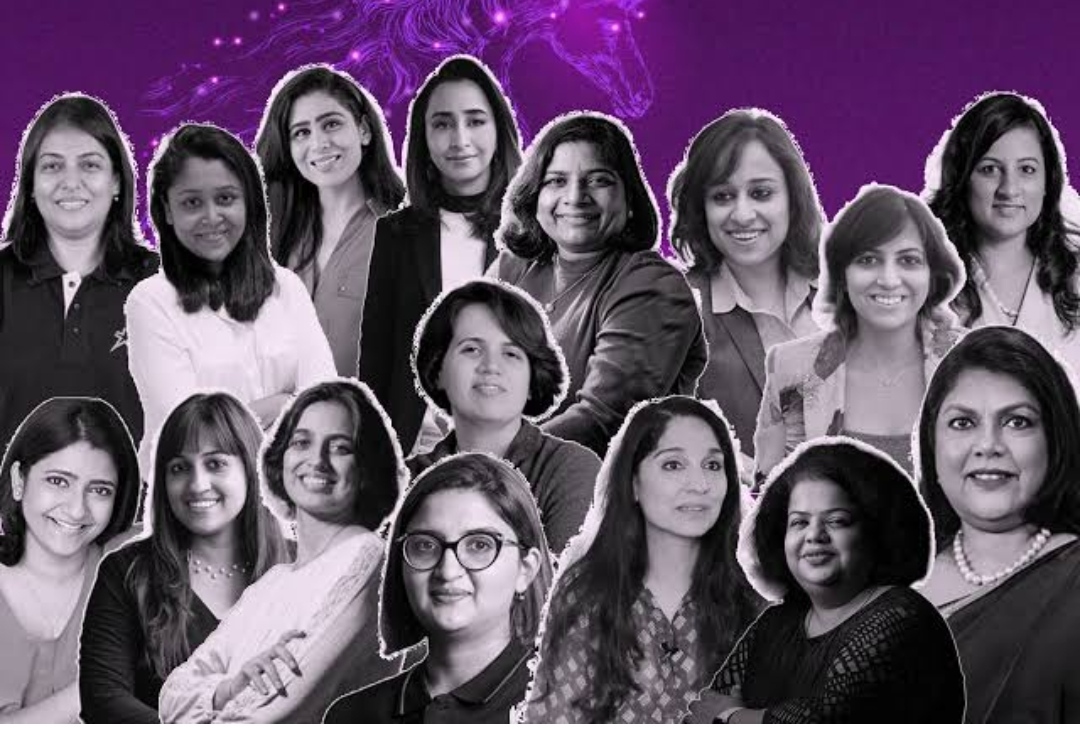
Women’s are the critical component of boosting startup ecosystem in India

Women play a crucial role in boosting the startup ecosystem in India. Their involvement brings diverse perspectives, skills, and talents to the table, enriching the entrepreneurial landscape in several ways.

Firstly, women entrepreneurs contribute to economic growth and job creation. By starting their own ventures, they generate employment opportunities, not only for themselves but also for others. This is particularly significant in a country like India, where job creation is vital for sustainable development.

Secondly, women entrepreneurs often focus on addressing unique market needs and gaps. Their ventures cater to underserved segments of the population, leading to innovation and the development of products and services that might otherwise be overlooked. This fosters inclusive economic growth and social development.

Moreover, women entrepreneurs serve as role models and inspire other women to pursue entrepreneurship. Their success stories challenge societal norms and stereotypes, encouraging more women to break barriers and enter the entrepreneurial space. This not only increases the diversity of the startup ecosystem but also empowers women economically and socially.

Additionally, women entrepreneurs bring different leadership styles and approaches to problem-solving. Their collaborative and empathetic leadership fosters a supportive and inclusive work culture within startups, leading to greater employee satisfaction and productivity. This, in turn, contributes to the overall success and sustainability of the ventures.

Furthermore, women entrepreneurs are adept at leveraging networks and building meaningful connections. They actively participate in networking events, mentorship programs, and industry associations, expanding their reach and accessing valuable resources and opportunities. This network-building capability is instrumental in scaling startups and accessing funding and support.

However, despite their significant contributions, women entrepreneurs in India face several challenges. These include limited access to finance, cultural and societal biases, lack of mentorship and support networks, and work-life balance issues. Addressing these challenges is crucial for unleashing the full potential of women entrepreneurs and fostering a more inclusive and vibrant startup ecosystem.

To support and empower women entrepreneurs, various initiatives and programs have been launched in India. These include government schemes, incubators and accelerators focused on women-led startups, skill development programs, and networking platforms. Additionally, advocacy efforts and awareness campaigns are essential for challenging gender stereotypes and promoting a more inclusive and supportive environment for women in entrepreneurship.

In conclusion, women are indeed a critical component of the startup ecosystem in India. Their participation not only drives economic growth and innovation but also promotes inclusivity and diversity. By addressing the challenges they face and providing them with the necessary support and resources, India can harness the full potential of women entrepreneurs and build a thriving and inclusive startup ecosystem.

For more information visit at https://happenrecently.com/zepto/?amp=1

Online payment apps are boon for India’s Fintech sector transformation

Online payment apps have emerged as a significant driver of transformation within India’s fintech sector, ushering in a plethora of benefits and opportunities for both consumers and businesses alike. This technological innovation has revolutionized the traditional methods of financial transactions, offering unparalleled convenience, efficiency, and security.

Firstly, online payment apps have democratized financial services, providing access to banking and payment solutions for millions of unbanked and underbanked individuals across India. With the widespread penetration of smartphones and internet connectivity, even those in remote areas can now conduct financial transactions seamlessly, empowering them economically and socially.

Moreover, these apps have simplified the payment process, eliminating the need for physical cash and cumbersome paperwork. Whether it’s transferring money to family members, paying bills, or shopping online, users can now complete transactions with just a few taps on their smartphones, saving time and effort.

Furthermore, online payment apps have fostered financial inclusion by promoting digital transactions and reducing reliance on cash-based economies. This shift towards digital payments not only enhances transparency and accountability but also helps combat corruption and tax evasion, contributing to India’s broader economic development goals.

Additionally, these apps have facilitated the growth of e-commerce and online businesses by providing secure and convenient payment gateways. Merchants and entrepreneurs can now reach a wider customer base and expand their operations without the limitations imposed by traditional payment methods.

Furthermore, online payment apps have spurred innovation in the fintech ecosystem, leading to the development of new products and services catering to diverse consumer needs. From digital wallets and peer-to-peer lending platforms to investment apps and robo-advisors, the fintech landscape in India is experiencing a rapid evolution driven by technological advancements.

Moreover, online payment apps have played a crucial role in advancing financial literacy and awareness among the masses. Through educational initiatives and user-friendly interfaces, these apps empower individuals to make informed financial decisions and manage their money more effectively.

Additionally, online payment apps have bolstered cybersecurity measures to protect users’ sensitive financial information from fraud and cyber threats. Advanced encryption techniques, multi-factor authentication, and real-time fraud detection mechanisms ensure the security and integrity of transactions, instilling confidence in users.

Furthermore, online payment apps have facilitated seamless cross-border transactions, enabling businesses to engage in international trade and investment opportunities more efficiently. This fosters economic growth and globalization while strengthening India’s position in the global fintech landscape.

In conclusion, online payment apps have emerged as a boon for India’s fintech sector, driving widespread transformation and innovation across the economy. By promoting financial inclusion, enhancing convenience, fostering innovation, and ensuring security, these apps are revolutionizing the way Indians transact, ultimately contributing to the country’s socio-economic development and global competitiveness.

For more information visit at https://happenrecently.com/zepto/?amp=1

Khemchand Jewellers: Your Go-To Spot for Beautiful Flower Jewelry and Wedding Gifts

Khemchand Jewellers

Delhi, India – March 13, 2024: Since its establishment in 2002, Khemchand Jewellers has been a beacon of excellence in the realm of jewellery, wedding gifts, decorations, and artificial jewellery. Khemchand Jewellers has become synonymous with exquisite craftsmanship and a diverse range of products tailored to meet the varied needs of its esteemed clientele.

At Khemchand Jewellers, the ethos revolves around curating a unique collection that embodies the essence of Indian traditions and celebrations. From elegant flower jewellery fit for weddings to charming decorative pieces perfect for special occasions, the store boasts an impressive array of offerings designed to add a touch of sophistication and allure to any event.

“Dhruv Sharma, Jewellery Wholesaler at Khemchand Jewellers, emphasises the brand’s commitment to providing a personalised and enjoyable shopping experience for customers. “We take immense pride in not just selling jewellery and decor but in being an integral part of our customers’ joyous celebrations. Whether it’s a wedding, festival, or any special event, Khemchand Jewellers strives to make every moment memorable,” says Sharma.

The hallmark of Khemchand Jewellers lies in its fusion of timeless craftsmanship and creative designs. Each piece is meticulously crafted to perfection, reflecting the rich cultural heritage of India while incorporating contemporary elements to appeal to modern sensibilities.

In addition to its exquisite jewellery collection, Khemchand Jewellers also offers a wide range of haldi-mehandi gift items, festive decor items, and party props, catering to every aspect of celebratory occasions. From intricately designed bangles and necklaces to ornate decorative pieces, customers can find everything they need to elevate their festivities to new heights.

With a commitment to quality, authenticity, and customer satisfaction, Khemchand Jewellers has established itself as a trusted name in the industry. The brand’s unwavering focus on innovation and customer-centric approach further emphasises its commitment to excellence.

As the go-to destination for those seeking exquisite flower jewellery, wedding gifts, decorations, and artificial jewellery, Khemchand Jewellers continues to set the benchmark for excellence in the industry. Whether you’re planning a wedding, festival celebration, or any special event, Khemchand Jewellers invites you to experience the epitome of luxury, elegance, and tradition.

For more information and to explore Khemchand Jewellers’ exquisite collection, visit their store at Shop No. 2784, Kinari Bazar, Delhi-6, or visit their website at www.youtube.com/@Khemchandjewellers.

Contact:

Dhruv Sharma

Jewellery Wholesaler

Khemchand Jewellers

Shop No. 2784, Kinari Bazar

Delhi-6, India 110006

Website = https://khemchandjewellers.com/

Instagram = https://www.instagram.com/khemchand_jewellers_?igsh=bTV3Zncxa2d2NW9y&utm_source=qr

Why Dr. Tathed’s Homeopathy Clinic in Viman Nagar is Your Best Choice for Homeopathy Treatment

Dr. Tathed's

In the heart of Pune’s Viman Nagar, Dr. Tathed’s Homeopathy Clinic stands out as a beacon of holistic healing and patient-centered care. Since its opening on March 3, 2024, the clinic has become a premier destination for individuals seeking effective, natural treatments for a wide range of health issues, from everyday ailments to chronic conditions.

Personalized Care for Every Patient

At Dr. Tathed’s Homeopathy Clinic, we believe that each patient is unique, and so should be their treatment. Our approach involves a detailed understanding of each patient’s lifestyle, health history, and specific needs, ensuring personalized care tailored to deliver the best results.

A Wide Range of Treatments Under One Roof

Our clinic offers an extensive array of treatments, employing state-of-the-art Body Analyser Technology and Lung Health Monitoring, among others, to diagnose and treat health conditions effectively. Whether you’re dealing with respiratory issues, digestive problems, skin conditions, or chronic diseases, Dr. Tathed’s Clinic has the expertise to support your journey to wellness.

Expertise You Can Trust

Under the leadership of Dr. Kalpesh Chavhan, awarded for “Excellence in Patient Care,” our clinic embodies a commitment to excellence. Our team of highly skilled homeopathy practitioners brings years of experience and a passion for healing, ensuring that you are in the best hands.

Holistic Healing for All Ages

Dr. Tathed’s Clinic is dedicated to providing holistic care that addresses not just the symptoms but the root cause of your health issues. With treatments suitable for patients of all ages, our clinic is the perfect choice for families seeking a natural and gentle approach to health and wellness.

Committed to Your Health and Well-being

Choosing Dr. Tathed’s Homeopathy Clinic means choosing a partner committed to your health and well-being. Our state-of-the-art facilities, combined with a warm and welcoming environment, ensure a healing experience that’s not just effective but also comforting and reassuring.

Join Us on Your Path to Wellness

Discover why Dr. Tathed’s Homeopathy Clinic in Viman Nagar is the preferred choice for homeopathy treatment in Pune. Experience the difference personalized, holistic care can make in your health and well-being.

For More Information:

To learn more about Dr. Tathed’s Homeopathy Clinic and how we can assist you, please contact:

Dr. Tathed’s Homeopathy Viman Nagar
Phone : +91 081800 08068
Email : drtathed1@gmail.com
Website : https://drtathed.com/vimannagar/
Address : Datta Mandir Chowk, Unit 106, 1st Floor, Lunkad Skymax Mall, Konark Nagar, Clover Park, Viman Nagar, Pune, Maharashtra – 411014

Bhakti Mane: Unleashing Celestial Wisdom, Empowering Women, and Shaping Global Destinies!

Bhakti Mane

Bhakti Mane: Unleashing Celestial Wisdom, Empowering Women, and Shaping Global Destinies!

On International Women’s Day, we honor the remarkable women who inspire us with their strength, resilience, and achievements. Among these extraordinary individuals is Bhakti Mane International Celebrity Astro Numero Consultant, a shining example of a strong personality making a significant impact.

In a world where gender equality and empowerment are crucial, women like Bhakti Mane stand out as beacons of inspiration. Through her work, she not only showcases her own strength but also uplifts those around her, fostering a community of empowerment and growth.

She has carved a niche for herself, especially in empowering women and guiding clients across the globe. Her dedication to helping others discover their paths to success and fulfillment is truly commendable.

Bhakti Mane’s journey is not just about astrology and numerology; it’s about empowering women to embrace their true potential. Through her consultations and guidance, she has helped countless women break societal barriers and step into their power with confidence and grace.

With clients spanning across 37 countries, Bhakti Mane’s impact knows no bounds. Her dedication and accuracy in her predictions have earned her accolades worldwide. She has been honored with numerous awards, including the prestigious Aachal Awards 2024, recognizing her outstanding contribution to society and her unwavering commitment to empowering individuals through her consultancy.

Bhakti Mane’s clientele includes some of the biggest names in Bollywood and beyond. Her numerological analysis of celebrities, shared on her Instagram page, has garnered attention for its precision and insights. From predicting career highs to guiding personal growth, Bhakti Mane’s consultations have become indispensable for many celebrities navigating the complexities of fame and fortune.

What sets Bhakti Mane apart is her international appeal. Foreigners from diverse backgrounds seek her consultation for both personal and professional growth. Her ability to bridge cultural divides and provide valuable insights tailored to individual needs has earned her a reputation as a trusted advisor beyond borders.

In a world where spirituality and self-discovery are becoming increasingly important, Bhakti Mane’s expertise offers a guiding light for those seeking clarity and direction. Her dedication towards empowering women, her global reach, and her unparalleled insights have solidified her position as a leading figure in the world of astrology and numerology.

As she continues to inspire and empower individuals from all walks of life, Bhakti Mane’s legacy is not just about predictions and numbers; it’s about fostering a deeper understanding of oneself and one’s place in the universe. Through her guidance, countless lives have been transformed, paving the way for a brighter, more enlightened future for all.

This Women’s Day, let us celebrate the spirit of strong women like Bhakti Mane who lead by example, break barriers, and inspire positive change in the world. Their stories remind us of the power of resilience, determination, and unwavering spirit in the face of adversity.

Let us honor these strong personalities not just today but every day, recognizing their invaluable contributions to society and their unwavering commitment to making the world a better place for all. Happy Women’s Day to all the incredible women out there who continue to inspire and empower us all.

https://www.instagram.com/decoding.planets?igsh=OG1qdHhobmRsejZx

Financial inclusion is must for financial growth 

Financial inclusion, the concept of providing access to financial services to all members of society, is widely recognized as a crucial driver of inclusive growth. Inclusive growth refers to economic development that benefits all segments of society, particularly the marginalized and underserved populations. Achieving financial inclusion is essential for fostering inclusive growth for several reasons.

Firstly, financial inclusion empowers individuals and communities by providing them with the tools and resources to manage their finances effectively. Access to basic financial services such as savings accounts, credit, insurance, and payment systems allows people to plan for the future, smooth consumption, and mitigate financial risks. For low-income households and small businesses, access to credit can be especially transformative, enabling them to invest in education, healthcare, entrepreneurship, and productive assets.

Secondly, financial inclusion promotes economic stability and resilience. By expanding access to formal financial services, individuals and businesses become less vulnerable to shocks and disruptions. They can better withstand unexpected expenses, cope with income fluctuations, and recover from emergencies or natural disasters. Moreover, access to financial services encourages saving and investment, which contributes to long-term economic growth and stability.

Furthermore, financial inclusion fosters social inclusion and reduces inequality. Marginalized groups such as women, youth, rural populations, and ethnic minorities often face barriers to accessing financial services due to factors like geographic remoteness, lack of documentation, discrimination, and limited financial literacy. By addressing these barriers and expanding access to financial services, financial inclusion helps these marginalized groups participate more fully in the economy, gain economic independence, and reduce disparities in wealth and income.

In addition, financial inclusion stimulates entrepreneurship and job creation, driving economic development and poverty reduction. Small and medium enterprises (SMEs), often referred to as the backbone of many economies, play a significant role in job creation, innovation, and wealth generation. However, access to finance remains a major obstacle for many SMEs, particularly those in underserved or informal sectors. By providing these businesses with access to credit, savings, and other financial services, financial inclusion can unlock their potential, fueling economic growth and creating employment opportunities.

Moreover, financial inclusion promotes digitalization and innovation in financial services, driving efficiency, transparency, and accessibility. With the rise of mobile technology and digital payment platforms, financial services are increasingly being delivered through digital channels, reaching even the most remote and marginalized populations. Digital financial inclusion not only improves convenience and affordability but also opens up new opportunities for financial education, consumer protection, and tailored financial products and services.

In conclusion, financial inclusion is not only a moral imperative but also an economic necessity for achieving inclusive growth. By expanding access to financial services, particularly for marginalized and underserved populations, societies can empower individuals, promote economic stability, reduce inequality, stimulate entrepreneurship, and drive overall economic development. Governments, financial institutions, civil society organizations, and the private sector must work together to overcome barriers to financial inclusion and ensure that everyone has the opportunity to participate fully in the economy and realize their potential.

For more information visit at https://happenrecently.com/zepto/?amp=1

AI Deepfakes: Regulate, don’t ban it 

AI deepfakes, the technology that uses artificial intelligence to create realistic video and audio forgeries, have garnered significant attention due to their potential for misuse, including spreading misinformation, impersonation, and privacy violations. While concerns about the negative consequences of deepfakes are valid, outright banning the technology may not be the most effective solution. Instead, regulating its use while promoting responsible innovation can strike a balance between addressing the risks and preserving the benefits of this technology.

Firstly, banning AI deepfakes outright may not be feasible or practical due to the rapid pace of technological advancement and the decentralized nature of the internet. Attempts to ban deepfakes could drive their development underground, making it harder to monitor and mitigate their harmful effects. Moreover, banning deepfakes could stifle legitimate uses of the technology, such as in entertainment, education, and digital art, where it has the potential to revolutionize creative expression and storytelling.

Instead of a blanket ban, regulating AI deepfakes can help mitigate the risks associated with their misuse while allowing for responsible innovation and freedom of expression. Regulation could involve establishing clear guidelines and standards for the creation, distribution, and use of deepfakes, as well as implementing mechanisms for verification and authentication to distinguish between genuine and manipulated content. By holding creators accountable for the content they produce and disseminate, regulation can deter malicious actors from using deepfakes for harmful purposes.

Furthermore, regulation can help protect individuals’ privacy and consent by requiring explicit authorization for the use of their likeness in deepfake videos and ensuring that their rights are respected. This can involve establishing legal frameworks for obtaining consent, enforcing penalties for unauthorized use, and providing recourse for victims of deepfake manipulation. By safeguarding individuals’ privacy and dignity, regulation can mitigate the potential harm caused by unauthorized deepfake content.

Moreover, regulation can promote transparency and accountability in the development and deployment of AI deepfake technologies. This can involve requiring developers to disclose the methods and techniques used to create deepfakes, as well as implementing measures for algorithmic transparency and fairness. By promoting transparency, regulation can help build trust in AI technologies and empower users to make informed decisions about the content they consume and share.

Additionally, regulation can foster collaboration between stakeholders, including government agencies, technology companies, researchers, and civil society organizations, to address the multifaceted challenges posed by AI deepfakes. By bringing together diverse perspectives and expertise, regulation can facilitate the development of effective strategies and best practices for managing the risks associated with deepfakes while maximizing their potential benefits.

In conclusion, while AI deepfakes present significant challenges, banning them outright may not be the most effective solution. Instead, regulating their use can help mitigate the risks while preserving the benefits of this technology. By establishing clear guidelines, protecting individuals’ rights, promoting transparency, and fostering collaboration, regulation can strike a balance between addressing the negative consequences of deepfakes and promoting responsible innovation in the digital age.

For more information visit at https://happenrecently.com/zepto/?amp=1

Sustainable water management is must for food security 

Sustainable water management is indeed essential for ensuring food security, as water plays a critical role in agricultural production and the entire food supply chain. Here are some reasons why sustainable water management is crucial for food security:

 Agriculture is the largest consumer of freshwater globally, with irrigation accounting for the majority of water use. Sustainable water management practices, such as drip irrigation, precision agriculture, and rainwater harvesting, can help optimize water use efficiency in agriculture. By ensuring that water resources are used judiciously and effectively, sustainable irrigation practices contribute to increased crop yields and food production, thus enhancing food security.

Climate change is altering precipitation patterns and increasing the frequency and intensity of extreme weather events, such as droughts and floods. Sustainable water management strategies, such as water conservation, watershed management, and climate-smart agriculture, can help build resilience to climate variability and mitigate the impacts of water scarcity and extreme weather on food production. By adapting to changing climatic conditions and reducing vulnerability to water-related risks, sustainable water management contributes to the long-term stability of food systems and enhances food security.

 Healthy freshwater ecosystems, including rivers, lakes, wetlands, and aquifers, provide essential services for agriculture, such as water purification, flood regulation, and habitat for pollinators and natural enemies of pests. Unsustainable water management practices, such as over-extraction, pollution, and habitat destruction, can degrade freshwater ecosystems and undermine their ability to support agricultural productivity. By conserving and restoring freshwater ecosystems, sustainable water management helps maintain the ecological foundation of food production and safeguard food security.

 There is a close interconnection between water and food systems, known as the water-food nexus. Water is not only used for irrigation but also for food processing, cooking, and hygiene throughout the food supply chain. Unsustainable water management practices in one sector can have ripple effects across the entire nexus, affecting food availability, accessibility, and affordability. By adopting integrated approaches to water and food management, sustainable water management can optimize resource use, minimize waste, and ensure the resilience and sustainability of food systems.

Access to water is essential for smallholder farmers, who often rely on rainfed agriculture and have limited access to irrigation infrastructure and water resources. Sustainable water management practices that prioritize equity, inclusivity, and community participation can ensure that water is allocated fairly and efficiently, benefiting smallholder farmers and vulnerable populations. By addressing social inequities and empowering marginalized communities, sustainable water management contributes to more equitable and resilient food systems, thereby enhancing food security for all.

In conclusion, sustainable water management is indispensable for achieving food security in a world facing growing water scarcity, climate change, and environmental degradation. By promoting water efficiency, climate resilience, ecosystem health, integrated approaches, and social equity, sustainable water management can help ensure that water resources are managed wisely and sustainably to meet the needs of present and future generations for food security and sustainable development.

For more information visit at https://happenrecently.com/zepto/?amp=1