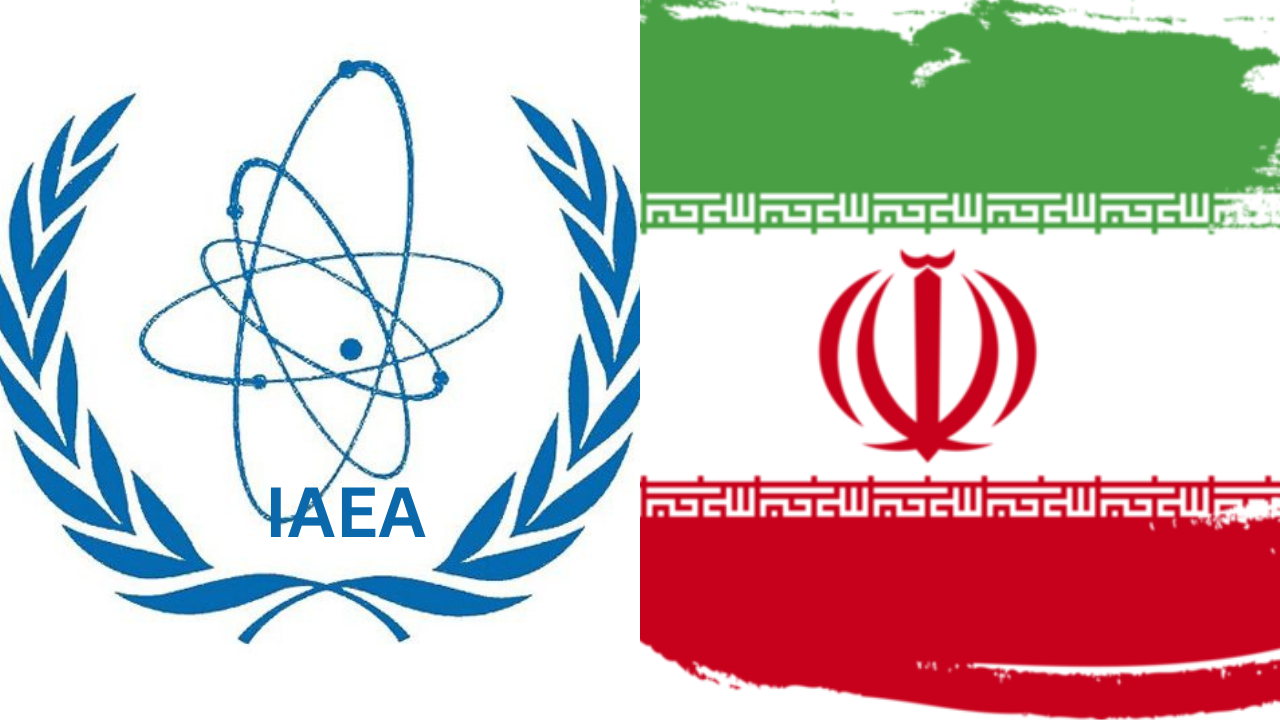
The International Atomic Energy Agency (IAEA) has taken a significant step toward resolving longstanding concerns over Iran’s nuclear activities, closing the investigation into one of the three sites in Iran where uranium particles had previously been detected. According to official sources in Tehran, the IAEA has also concluded its case regarding the detection of uranium particles enriched to 83.7 percent, alleviating one of the thorniest disputes in ongoing diplomatic and technical exchanges between Iran and the international community.
This development comes ahead of the IAEA’s quarterly reports on Iran, set for release this week, and just days before the Agency’s 35-nation Board of Governors convenes for its regular June session in Vienna. The session is expected to devote considerable time to review the status of Iran’s compliance with its commitments under the Nuclear Non-Proliferation Treaty (NPT) and United Nations Security Council Resolution 2231, which underpins the 2015 Joint Comprehensive Plan of Action (JCPOA).
Progress on a Complex File
For several years, the IAEA has been investigating unexplained nuclear material found at multiple locations in Iran. The resolution regarding one of the three sites marks modest but concrete progress in clarifying Iran’s past nuclear activities. A source quoted by Iran’s semi-official Mehr news agency confirmed that the “alleged case regarding the findings of uranium particles with 83.7 purity has also been closed,” noting that the IAEA’s technical experts were satisfied with Iran’s explanations and supporting documentation.
The remaining outstanding issues continue to be discussed between Iranian authorities and the Agency. According to the IAEA, full clarification of all open questions is essential for the Agency to verify the exclusively peaceful nature of Iran’s nuclear programme.
Quarterly Reports and the Road Ahead
The upcoming quarterly report by the IAEA is expected to offer a comprehensive review of Iran’s nuclear inventory and enrichment activities since the previous update in March. Last quarter, the Agency reported that Iran possessed sufficient uranium enriched up to 60 percent that, if further processed, could be enough for multiple nuclear weapons. However, there remains international consensus that Iran’s declared nuclear activities remain short of building an actual weapon, and there is no current evidence of active weaponization efforts.
The report is also anticipated to discuss the Agency’s verification and monitoring work at Iran’s declared facilities following recent security incidents in the region. As noted in a prior Agency update, IAEA Director General Rafael Mariano Grossi reiterated the importance of unfettered access for inspectors and a continued exchange of information with Iran. The Agency stressed it will “continue to monitor and assess the situation in Iran and provide further updates as additional information becomes available”.
Diplomatic Dimensions and International Concerns
Despite the resolution of one site’s investigation, wider diplomatic tensions persist. Last month, the IAEA Board of Governors, for the first time in nearly two decades, passed a resolution formally declaring Iran non-compliant with its non-proliferation obligations. The resolution—backed by the United States, France, Germany, and the United Kingdom—calls for Iran’s “full and immediate cooperation” with the IAEA and expresses regret over Iran’s recently increased uranium enrichment activities and suspension of some aspects of Agency monitoring.
Iran’s response has been resolute. Tehran maintains that its nuclear programme is entirely peaceful and implemented for civilian purposes, as permitted under the NPT. Iranian officials have emphasized their readiness to work with the IAEA in resolving any “technically founded” questions but have also criticized what they describe as “politically motivated pressure” by Western countries.
Board of Governors Meeting and Next Steps
The IAEA Board of Governors will meet in Vienna next week, with verification and monitoring in Iran expected to be a key agenda item. The Board discussions will likely focus on the implications of the most recent findings, Iran’s current enrichment activities, and the prospects of renewed diplomacy to return all parties to full compliance with the JCPOA framework.
The IAEA, for its part, remains committed to science-driven verification and nonproliferation, emphasizing that technical cooperation and transparency are foundational to building trust with the international community. Director General Grossi has again called for military restraint in the region and urged all parties to “work towards a diplomatic solution” while ensuring the continued safety and security of nuclear facilities.
Conclusion
This week’s resolution of one of the three outstanding nuclear issues between the IAEA and Iran marks a tangible, if partial, victory for nuclear diplomacy and safeguards verification. As dialogue continues and the international focus sharpens on the Board of Governors’ upcoming meeting, the world will be watching for further progress towards full clarity and confidence in Iran’s nuclear intentions—a process that remains at the heart of regional and global security.