


Focus on Tariff Digital Trade and Market Access
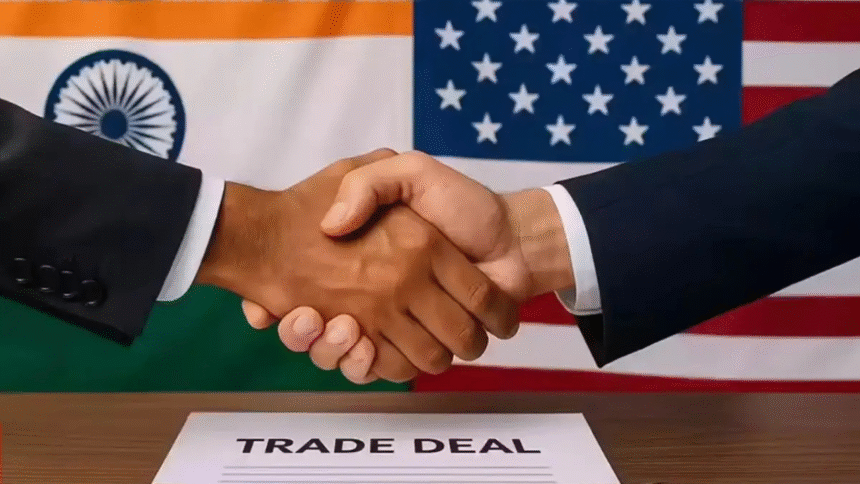
India and the United States have kicked off a new round of trade negotiations in New Delhi from December 10 to 12, marking an important step toward strengthening bilateral economic relations. The three-day talks are expected to focus on early-stage discussions around tariffs, digital trade, and services market access — areas that both sides view as key to unlocking future growth opportunities.
The discussions are being held under the framework of the India–US Trade Policy Forum (TPF), which serves as a key platform to address bilateral trade and investment issues. Senior officials from the Ministry of Commerce and Industry and the Office of the United States Trade Representative (USTR) are leading the delegations from both sides.
Background of the Meeting
This meeting comes at a strategic time, as both countries are looking to boost economic cooperation amid evolving global trade dynamics. India and the US have shared strong trade ties over the years, with bilateral goods and services trade crossing USD 200 billion in recent years. However, certain friction points remain, such as high tariffs on select goods, differences over digital data rules, and regulatory barriers in services.
According to official sources, these talks aim to find common ground early on so that more formal negotiations can progress smoothly in the coming months. The discussions are expected to set the stage for deeper engagement ahead of the next high-level TPF Ministerial meeting, likely to be scheduled for 2026.
Focus Areas of the Current Round
The three main pillars of the current talks—tariffs, digital trade, and services market access—reflect the evolving nature of both economies.
- Tariff-related discussions:
The US has repeatedly flagged India’s relatively high import duties on certain products, particularly agricultural goods, medical equipment, and technology items. India, on its part, seeks fair access for its exports, especially textiles, pharmaceuticals, and engineering products. The Indian side is expected to advocate for a more balanced approach, highlighting its need to protect domestic industries while maintaining open and mutually beneficial trade. - Digital trade:
Digital trade has become a sensitive issue globally, and India–US relations are no exception. Washington is pressing for a more liberal digital environment that supports unrestricted cross-border data flows, while India seeks to safeguard its data sovereignty through local storage requirements and privacy protections. Officials expect this round to focus on finding a middle ground that promotes innovation and investment without compromising national interests. - Services market access:
India continues to push for greater mobility and access for its skilled professionals, particularly in the technology and IT services sector, where Indian companies play a major global role. Indian negotiators are expected to highlight the importance of fair visa policies and smoother approval processes for professionals working in the US, which remains a top destination for Indian tech talent. In turn, the US side may seek more transparent regulations for American service providers operating in India.
Strengthening Bilateral Trade Ties
India and the United States have long recognized each other as strategic trade partners. In the fiscal year 2024–25, bilateral trade in goods and services grew steadily, supported by strong private sector engagement and frequent government-level consultations. The ongoing talks underscore both nations’ desire to overcome past challenges and explore new opportunities, especially in emerging sectors such as renewable energy, semiconductor manufacturing, artificial intelligence, and digital services.
A senior Commerce Ministry official commented, “These talks are critical for setting the foundation of a more predictable and balanced trade relationship. Both sides understand the importance of addressing old issues while exploring areas where cooperation can accelerate economic growth on both ends.”
Outlook and Possible Outcomes
While no major agreements are expected in this initial phase, officials believe that even small steps toward resolving tariff and regulatory issues could build the trust needed for broader deals later. Trade experts suggest that the early-stage discussions could pave the way for a more comprehensive framework in the coming year, potentially touching on investment protection, green technology trade, and digital economy frameworks.
The US remains one of India’s largest trading partners, and both nations have expressed intent to deepen cooperation beyond traditional goods trade. With India emerging as a leading growth hub in Asia and the US seeking reliable partners amid shifting global supply chains, the ongoing talks could help redefine a more modern economic partnership.
Challenges Ahead
Despite optimism, several challenges persist. Differences over agricultural subsidies, e-commerce regulations, and data privacy rules continue to create friction. Moreover, geopolitical factors and the upcoming election cycles in both countries could influence the pace of negotiations.
Trade experts point out that while both sides have shown greater political will compared to previous rounds, tangible results will depend on sustained engagement and flexibility in key areas. The talks in New Delhi will therefore act as a testing ground for renewed trust and cooperation between the two democracies.
Conclusion
As the India–US trade talks proceed through the three-day schedule, there is cautious optimism on both sides. The early-stage discussions on tariffs, digital trade, and services are expected to lay the groundwork for deeper engagement in the months ahead. If successful, this fresh dialogue could strengthen the world’s two largest democracies’ economic partnership and open new pathways for cross-sector collaboration, investment, and growth.
The outcomes of the New Delhi discussions will be closely watched by industry leaders, policymakers, and business communities in both countries — hoping that this renewed effort will mark the beginning of a more balanced and forward-looking trade relationship.