


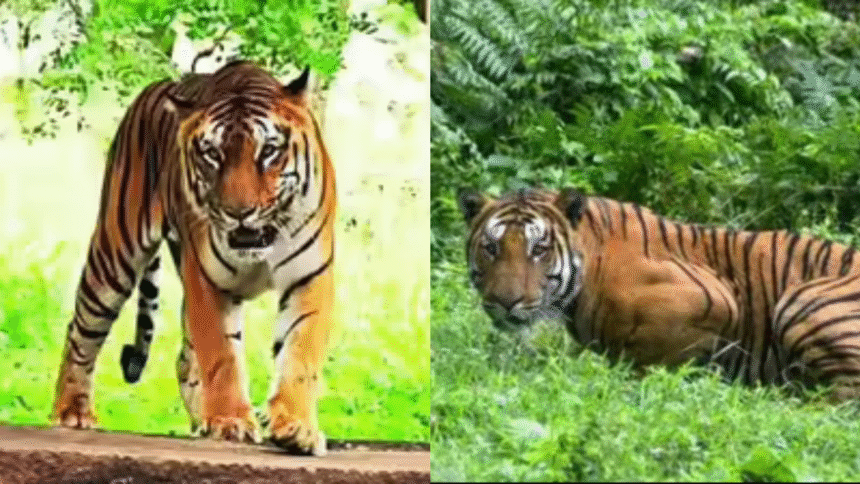
The decision to bring a tigress from Pench to Ramgarh Vishdhari is part of a larger tiger translocation and population‑strengthening plan approved by the National Tiger Conservation Authority and the Union environment ministry. Rajasthan has been working for the last few years to build Ramgarh Vishdhari as a strong tiger habitat and connect it with other tiger landscapes in the state.
Ramgarh Vishdhari is Rajasthan’s newest tiger reserve and the 52nd tiger reserve of India, spread over core and buffer areas in Bundi and nearby regions. It forms an important wildlife corridor between Ranthambhore and Mukundra Hills Tiger Reserves, helping tigers move safely and maintain genetic diversity.
First airlifted tigress from another state
This operation will be Rajasthan’s first interstate tiger translocation by air and only the second helicopter‑based tiger airlift in the state. The first such airlift took place in 2008, when a male tiger was flown from Ranthambhore to Sariska within Rajasthan to revive the local tiger population.
In the new plan, a healthy tigress from Pench National Park in Madhya Pradesh will be tranquilised and transported in a helicopter to Ramgarh Vishdhari. Senior officials from the Rajasthan Forest Department and Mukundra Hills landscape will coordinate with Madhya Pradesh forest teams to complete the capture, health checks, collaring and safe loading of the tigress.
Scientific and conservation goals
Experts say the main aim of this relocation is to strengthen the tiger population at Ramgarh Vishdhari and improve genetic diversity in Rajasthan’s tiger reserves. At present, Ramgarh Vishdhari houses a small but growing tiger population, including individuals that have already been moved from Ranthambhore and Sariska and have adapted to the new habitat.
Pench National Park in Madhya Pradesh has a strong and well‑managed tiger population, and some tigresses have been moving outside the core area due to space pressure. Moving one suitable tigress to Rajasthan helps reduce local crowding in Pench while supporting a newer tiger landscape at Ramgarh Vishdhari.
How the airlift will be carried out
According to officials, the tigress will first be identified based on age, health and behaviour, and then fitted with a GPS‑VHF radio collar before translocation. Once tranquilised, she will be placed in a specially designed crate that allows proper ventilation and minimum movement during the flight.
The helicopter, likely an armed‑forces or government‑supported aircraft, will complete the journey between Pench and Ramgarh Vishdhari in a few hours to reduce stress on the animal. In Ramgarh, a prepared helipad site near the reserve and a secure route to the enclosure area have already been planned by the local forest authorities.
Soft‑release and monitoring in Ramgarh
On arrival, the tigress will not be released directly into the open forest but will first be kept in a soft‑release enclosure inside Ramgarh Vishdhari Tiger Reserve. This controlled environment will help her slowly adjust to the climate, prey base and new surroundings while veterinarians and forest staff monitor her movements and health round the clock.
After a suitable acclimatisation period and behavioural assessment, the forest department will open the gates of the enclosure and allow the tigress to move into the wild area of the reserve. Even after release, her radio collar will continuously send location signals to the monitoring team so that her movement, territory formation and interaction with other tigers can be tracked scientifically.
Part of a larger tiger expansion plan
The Pench–Ramgarh Vishdhari airlift is only the first phase of a broader inter‑state tiger augmentation plan for Rajasthan. As per the approved project, a total of several tigresses will be brought in phases from Madhya Pradesh and Maharashtra to Ramgarh Vishdhari and Mukundra Hills in the coming years.
Future stages include sourcing tigresses from Kanha, Bandhavgarh, Pench and Tadoba to further stabilise Rajasthan’s tiger populations and reduce inbreeding. With new tigers arriving and habitat management improving, Ramgarh Vishdhari is also expected to boost eco‑tourism and nature‑based livelihoods for local communities in the Bundi region.
Significance for Rajasthan and India
This upcoming airlift of a tigress from Pench to Ramgarh Vishdhari is being seen as a landmark in India’s modern wildlife management efforts. It shows how states can cooperate across borders to manage wide‑ranging species like tigers, keeping both ecological science and local realities in mind.
For Rajasthan, the operation marks a new chapter after its earlier success in reviving Sariska with tigers from Ranthambhore and building Ranthambhore as a global symbol of tiger recovery. For the country, it adds another example of active, science‑based conservation under the broader legacy of Project Tiger, which has turned India into the world’s largest secure habitat for wild tigers.
As the tigress from Pench prepares to begin a new life in Ramgarh Vishdhari, wildlife lovers, conservationists and local communities will be closely watching this journey that symbolises hope for both Rajasthan’s forests and India’s tiger future.