
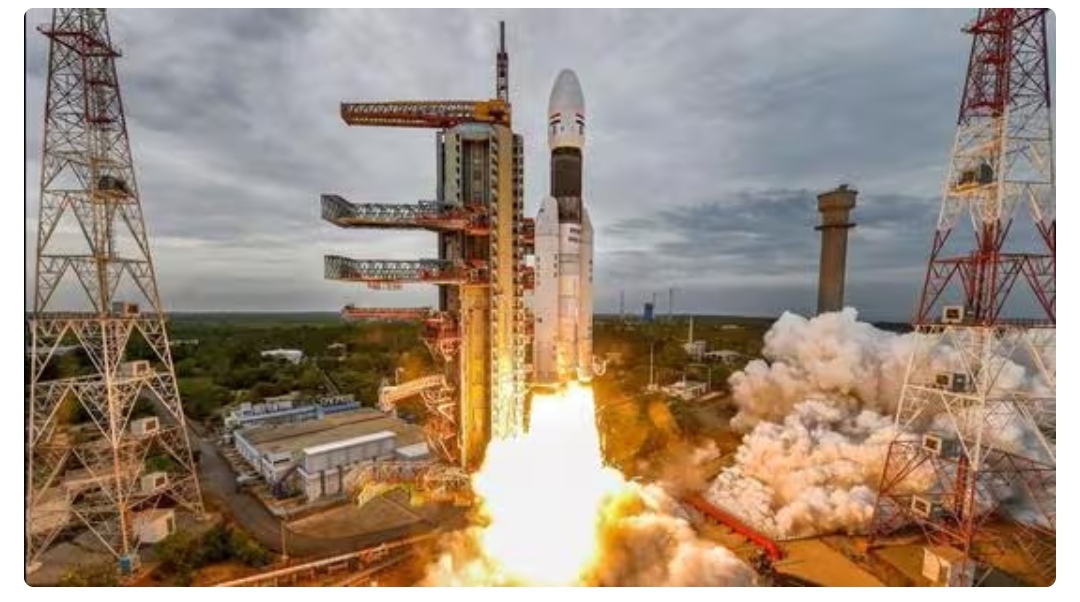
Growing Indian startups in the space sector have the potential to significantly contribute to the Indian economy in various ways. Here are some key points on how they can make a positive impact:
Job Creation:
Space startups require skilled professionals in engineering, science, and technology, leading to the creation of high-quality jobs in the country.
Technology Development:
These startups drive innovation, developing cutting-edge technologies that can be applied in other sectors, promoting a knowledge-based economy.
International Collaboration:
Collaboration with global space agencies and companies can lead to partnerships and investments, boosting the economy through increased foreign direct investment (FDI).
Space Services:
Providing space-related services like satellite data analytics, Earth observation, and satellite communication can generate revenue and export opportunities.
Infrastructure Development:
Supporting the growth of space startups can lead to the development of research and launch facilities, creating new infrastructure and investments.
Educational Opportunities:
Encouraging interest in space-related fields can lead to an educated and skilled workforce for the space and technology sectors.
National Security:
Space startups can contribute to strengthening India’s national security through satellite technology and applications.
Data Utilization:
Utilizing satellite data for agriculture, disaster management, and urban planning can improve productivity and reduce costs in various sectors.
Economic Growth:
The overall growth of the space sector can contribute to the country’s GDP, trade balance, and technological advancements.
However, it’s important to note that while these startups hold promise, they also face challenges such as funding, regulatory compliance, and competition on the global stage. Nevertheless, with the right support and infrastructure, they can play a pivotal role in India’s economic growth in the space sector.
Growing Indian startups in the space sector have the potential to significantly contribute to the Indian economy in various ways. Here are some key points on how they can make a positive impact:
Job Creation
Space startups require skilled professionals in engineering, science, and technology, leading to the creation of high-quality jobs in the country.
Technology Development
These startups drive innovation, developing cutting-edge technologies that can be applied in other sectors, promoting a knowledge-based economy.
International Collaboration
Collaboration with global space agencies and companies can lead to partnerships and investments, boosting the economy through increased foreign direct investment (FDI).
Space Services
Providing space-related services like satellite data analytics, Earth observation, and satellite communication can generate revenue and export opportunities.
Infrastructure Development
Supporting the growth of space startups can lead to the development of research and launch facilities, creating new infrastructure and investments.
Educational Opportunities
Encouraging interest in space-related fields can lead to an educated and skilled workforce for the space and technology sectors.
National Security
Space startups can contribute to strengthening India’s national security through satellite technology and applications.
Data Utilization
Utilizing satellite data for agriculture, disaster management, and urban planning can improve productivity and reduce costs in various sectors.
Economic Growth
The overall growth of the space sector can contribute to the country’s GDP, trade balance, and technological advancements.
However, it’s important to note that while these startups hold promise, they also face challenges such as funding, regulatory compliance, and competition on the global stage. Nevertheless, with the right support and infrastructure, they can play a pivotal role in India’s economic growth in the space sector.
India has seen the emergence of several notable space startups in recent years. Here are a few examples:
Skyroot Aerospace:
Skyroot Aerospace is a Hyderabad-based startup that focuses on building efficient and cost-effective launch vehicles. They aim to provide reliable access to space for small and medium payloads.
Pixxel:
Pixxel is a Bengaluru-based Earth-imaging startup. They are developing a constellation of Earth-observing microsatellites to provide high-resolution imagery and data for various applications, including agriculture and forestry.
Astrome Technologies:
Astrome is a Bengaluru-based startup working on advanced satellite communication technology. They are developing a high-capacity satellite communication system to provide internet access to remote and underserved areas.
Bellatrix Aerospace:
Bellatrix Aerospace is another Bengaluru-based startup specializing in satellite propulsion technology. They are working on green propulsion systems for satellites, aiming to reduce the environmental impact of space activities.
Agnikul Cosmos:
Agnikul Cosmos, based in Chennai, is focused on developing small satellite launch vehicles. Their goal is to provide cost-effective and flexible launch services for small satellite operators.
Kawa Space:
Kawa Space is a space situational awareness startup that tracks and monitors space debris and satellites in orbit. They provide services to enhance the safety and sustainability of space activities.
Exseed Space:
Exseed Space, headquartered in Mumbai, offers small satellite solutions and satellite services. They are working on deploying nanosatellites for various applications, including asset tracking and remote monitoring.
These startups are part of India’s growing space ecosystem and are contributing to the country’s space capabilities while also exploring commercial opportunities in the global space market.
For more information visit at https://happenrecently.com/zepto/?amp=1