
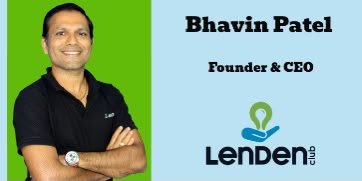
LenDenClub Founder Bhavin Patel shares the company’s transformation, lessons from navigating the digital lending industry and his vision for India’s alternative credit ecosystem.
Mumbai, November 20, 2026: Building a fintech company in India’s evolving financial services industry requires more than technology and capital. It demands an understanding of regulation, borrower behaviour, business sustainability and the ability to adapt when the market changes.
For Bhavin Patel, Founder of LenDenClub, this journey has involved navigating regulatory developments, restructuring business operations and building a digital lending ecosystem around peer-to-peer (P2P) lending.
In a recent masterclass on the Unfiltered Founder podcast, Patel spoke about the company’s growth, the challenges it encountered and why he believes P2P lending has the potential to become a meaningful component of India’s investment landscape.
Building a Business Around Financial Inclusion
LenDenClub operates in the peer-to-peer lending segment, connecting individual lenders with borrowers through a digital platform.
The company says it has facilitated more than ₹21,000 crore in loan disbursements across its platforms. Its model focuses on connecting borrowers who may find it difficult to access credit through conventional financial institutions with individuals looking for alternative lending opportunities.
Patel explained that the borrower base largely includes salaried individuals and small shopkeepers. Factors such as income eligibility, geographical location and smaller loan requirements can sometimes make accessing traditional credit difficult for these groups.
Digital lending platforms aim to address this gap by making the borrowing and lending process more accessible.
The Regulatory Turning Point in 2017
One of the important milestones in LenDenClub’s development was the introduction of the Reserve Bank of India’s P2P lending regulations in 2017.
Patel explained that the regulatory changes required the business to adapt its operating model. The transition was not without difficulties. The company experienced two loss-making years while restructuring its business and adjusting to the evolving regulatory environment.
However, the company eventually returned to profitability.
Reflecting on this phase, Patel emphasised the importance of building a financially sustainable business rather than focusing only on rapid expansion.
His approach involved treating different business functions as potential revenue opportunities, maintaining a focus on break-even and avoiding expensive hiring before the business was ready to support it.
Why P2P Lending Is Attracting Investor Attention
Beyond the company’s growth story, Patel discussed how P2P lending is evolving as an investment category.
He believes traditional portfolios that concentrate entirely on equity, gold or real estate may benefit from understanding the role of debt-based investments.
In P2P lending, investors can distribute their capital across multiple borrowers rather than depending on a single lending opportunity.
Patel explained that investors can choose loan tenures, repayment frequencies, borrower income categories and interest rates based on their preferences.
He indicated that potential annualised returns after defaults and platform fees could range between 10% and 13%, while also acknowledging that actual performance depends on borrower repayment behaviour and associated risks.
What Should First-Time Lenders Know?
Patel advised new investors to approach P2P lending gradually. His suggested starting point was an investment of ₹1–2 lakh, distributed across at least 100 loans to improve diversification.
For investors who understand the product and are comfortable with its risks, he suggested considering a 5–10% allocation within their overall investment portfolio.
He identified credit default as the biggest risk and stressed the importance of evaluating platform performance, lending practices and regulatory compliance.
He also explained that repayments are processed through escrow arrangements, with funds typically reaching lenders’ bank accounts on the next working day after the relevant repayment process.
Three Platforms, One Expanding Fintech Ecosystem
The LenDenClub group currently operates three distinct platforms catering to different financial requirements.
- LenDenClub: An RBI-registered NBFC-P2P platform connecting lenders and borrowers.
- Insta Money: Focuses on providing small personal loans.
- Udhar Saathi: Caters to merchant lending requirements.
According to Patel, the group intends to expand its operations to ten platforms over the next five years. The proposed expansion reflects its ambition to participate in different segments of India’s digital credit ecosystem.
A Founder’s Perspective on Sustainable Growth
An important part of Patel’s discussion focused on the lessons he learned while building LenDenClub.
He highlighted that profitability and operational discipline should remain central to business decisions, particularly in a capital-intensive and regulated industry such as fintech.
Rather than prioritising growth at any cost, he believes founders should understand the economics of their business, identify sustainable revenue opportunities and build teams appropriate to the company’s current stage.
His experience also underlines how regulatory developments can reshape business models and create opportunities for companies willing to adapt.
The Road Ahead for Alternative Lending
India’s digital financial services sector continues to evolve, creating opportunities for platforms working across lending, payments and financial inclusion.
P2P lending is one segment that is attracting attention because it offers an alternative mechanism for connecting borrowers and lenders. However, its growth will depend on responsible lending practices, regulatory compliance, transparency and investor awareness.
Through LenDenClub and its associated platforms, Bhavin Patel is looking to expand the company’s presence in this evolving market.
His message to aspiring fintech founders and investors is rooted in a simple principle: sustainable growth comes from understanding the business, managing risk and adapting to changing market conditions.
Risk Disclosure: P2P lending carries credit risk, including the possibility of delayed repayments and loss of principal. Returns are not guaranteed. Investors should independently evaluate risks and review applicable regulatory requirements before participating.
More Information: lendenclub.com | Instagram: @lenden.club | Unfiltered Founder: instagram.com/unfilteredfounder