

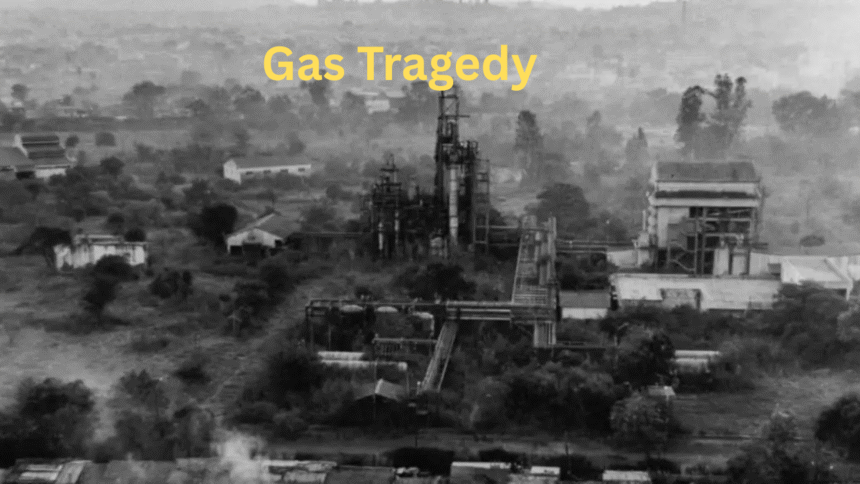
The city of Bhopal observed a solemn public holiday today as the state government announced the closure of all government offices and educational institutions across the district. The decision was made to mark the 41st anniversary of the Bhopal Gas Tragedy, one of the world’s worst industrial disasters that took place on the night of December 2–3, 1984.
Every year, this day serves as a painful reminder of the thousands of lives lost and the continuing struggles of survivors who still live with the consequences of that tragic event. The public holiday aims to allow citizens to pay their respects to the victims and reflect on the lessons learned from the disaster.
Government Declares Public Holiday
The Madhya Pradesh government officially declared December 3 as a district-level public holiday for Bhopal. All government offices, schools, and many private institutions remained closed. Essential services such as hospitals, police, and emergency facilities continued to function as usual.
Administrative officials stated that the decision was taken to honor the memory of those who perished and to provide an opportunity for the local community to take part in the remembrance programs. Various departments also organized awareness programs on industrial safety, environmental protection, and health care for survivors.
Chief Minister Dr. Mohan Yadav, in his message, expressed deep condolences to the families of the victims and acknowledged the ongoing efforts made to improve the quality of life for those affected. He emphasized that the tragedy remains a lasting lesson for industrial and environmental safety across India.
Remembering the Tragedy
The Bhopal Gas Tragedy occurred when toxic methyl isocyanate gas leaked from the Union Carbide pesticide plant in the heart of the city. The poisonous gas spread through the densely populated areas, killing thousands within hours and injuring hundreds of thousands more.
In the decades since the disaster, victims and their families have continued to demand greater assistance, health care, and environmental rehabilitation. The disaster not only affected human lives but also contaminated the soil and groundwater in nearby areas — issues that activists say still persist.
Each year, survivors’ organizations hold candlelight vigils, prayer meetings, and public rallies to keep the memory of the tragedy alive. These events also serve to raise awareness about the continued environmental and medical challenges faced by residents of affected areas.
Commemorative Events Held Across the City
Several memorial events were organized in Bhopal today. At the Bhopal Gas Tragedy Memorial and the Shaheed Smarak, hundreds gathered early in the morning to pay their tributes. Flower garlands, candles, and silent prayers filled the air with emotion and remembrance. Many local NGOs, survivor organizations, and student groups joined the events to express solidarity with the survivors.
One of the major events took place at the “Remember Bhopal Museum,” which hosted an exhibition showing photographs, personal stories, and rare documents from 1984. The exhibition drew many visitors, including students who came to learn about the historical and emotional impact of the disaster.
Social activists and environmentalists used the opportunity to remind authorities about the unfinished work of cleaning up the contaminated land and ensuring safe living conditions for affected communities. Speeches by survivors highlighted their ongoing struggle for justice, medical rehabilitation, and environmental restoration.
Appeal for Sustainable and Safe Industrial Practices
Forty-one years after the tragedy, experts and activists continue to emphasize the importance of strict industrial regulations. They call for stricter environmental monitoring and regular auditing of chemical plants to prevent such incidents in the future.
Environmental organizations in Bhopal held seminars today, discussing how advances in technology and safety management can prevent industrial disasters. They urged industries to adopt safer practices, ensure use of updated safety equipment, and maintain transparency with the community.
Government officials also reiterated their commitment to sustainable development and safer industrial growth. The disaster, they said, is not only a painful part of India’s history but also a constant reminder of the importance of human safety over profit and production.
Voices of Survivors
For many survivors, the day brings back memories of personal loss and lasting health problems. People continue to share stories of their family members who were affected by respiratory diseases, eye problems, and other long-term illnesses caused by exposure to the gas.
Women’s groups and survivor associations also organized medical camps to provide free checkups to those still dealing with complications. Children of survivors participated in awareness rallies carrying messages such as “Never Forget Bhopal” and “Safety First.”
These programs highlight how, even four decades later, the Bhopal gas tragedy continues to shape the lives of thousands in the city. The survivors’ courage and determination to fight for justice remain an inspiration for people across the world.
A Day of Reflection for Future Generations
While many mourned today, the day also served as a moment of reflection for citizens, policymakers, and industries. The Bhopal disaster stands as a global example of why industrial responsibility and safety standards must always come first.
The city’s story has changed over the decades — from tragedy to resilience. Today, Bhopal stands as a growing urban center known for its lakes, culture, and education. However, the legacy of that night in December 1984 continues to influence how people think about safety, environment, and accountability.
As this 41st anniversary passes, citizens across Bhopal have once again shown that the city’s heart beats with both sorrow and strength — a reminder that those who suffered will never be forgotten, and that lessons from the past must guide the future.