
New December 2025 Core Update changes SERP design, boosts visual results, and transforms SEO strategies.
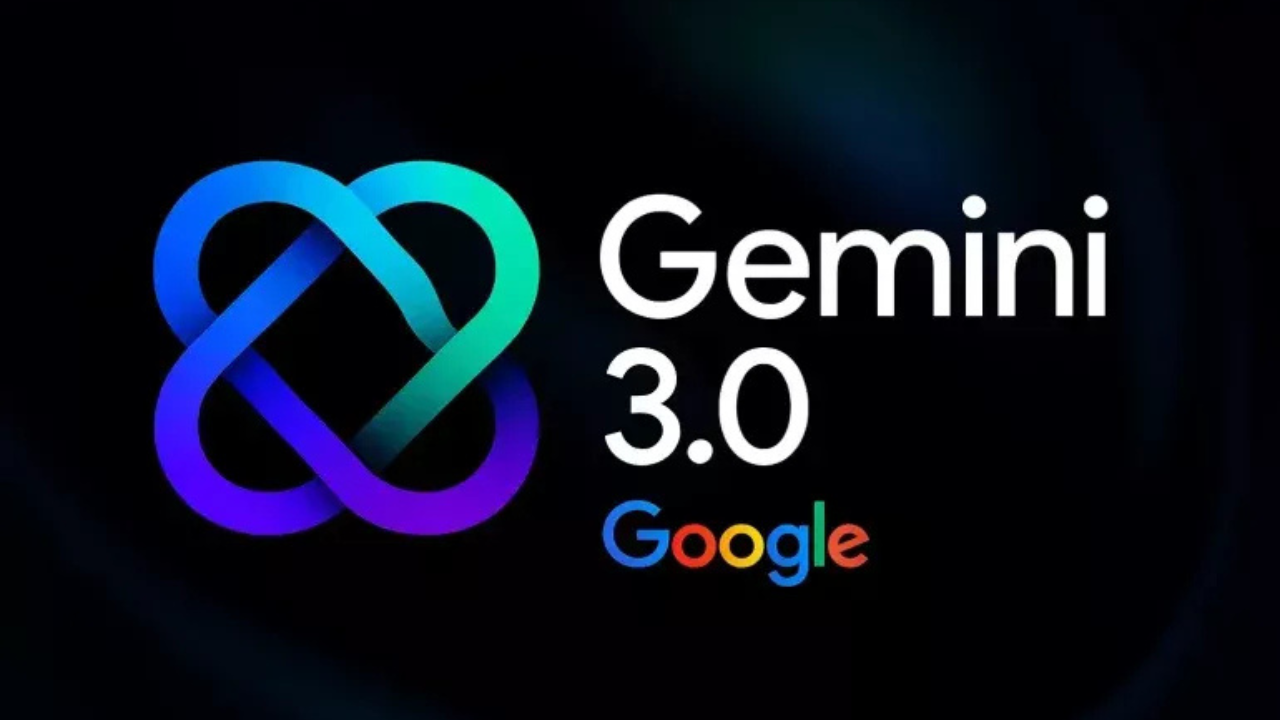
Google has unveiled Gemini 3.0, its latest multimodal AI model, alongside the December 2025 Core Search Update, reinforcing its long-term vision of merging artificial intelligence directly with its core search ecosystem. These simultaneous launches are transforming how users interact with search results, visual elements, and contextual content across Google platforms.
The update marks one of the most significant overhauls of Google Search in recent years, redefining both the layout and intelligence behind the search engine results page (SERP). Industry experts and SEO professionals across the globe are already noting visible shifts in search rankings, user interface design, and multimedia result integration — particularly with new video and YouTube carousel placements.
AI-Driven Search Experience
With Gemini 3.0, Google aims to bring even more natural, contextual, and conversational understanding to search. Unlike its predecessors, the latest model works seamlessly across text, image, audio, and code — delivering deeper insights and summarizing information in real time.
The AI’s integration allows users to interact more fluidly with search, enabling follow-up queries and contextual refinements without manually re-entering text. Google explains that this evolution is part of its larger mission to make Search more “intuitive, multimodal, and personalized.”
“Gemini 3.0 is about making search less about keywords and more about meaning,” said an internal Google statement shared during its December 2025 briefing. “We want users to find answers, not just links. That means blending our AI capabilities more closely with Google Search to help people explore information in entirely new ways.”
Major Visual and Structural Changes in SERP
Following the December 2025 update, webmasters and SEO analysts are witnessing noticeable changes in SERP composition. For the first time, visual results such as YouTube carousels, AI-generated summaries, and quick-answer panels are commanding more real estate on the results page.
Top stories and video content appear in more prominent, scrollable formats — particularly for trending topics, consumer tech, travel, and education-related searches. Meanwhile, organic results are being refined through AI summaries and contextual grouping, improving relevance while reducing clutter.
A key update includes Gemini-powered visuals embedded directly into the SERP. For example, when users search for reviews, tutorials, or current events, they now see integrated YouTube clips, image previews, or AI-sourced explanations. This shift reflects Google’s ongoing strategy of emphasizing engagement and content diversity over traditional link-only listings.
Impact on Website Owners and Publishers
The December 2025 Core Update is already reshaping traffic flow for many digital publishers and businesses. Early reports indicate fluctuations in visibility for list-based and affiliate-driven websites, while brands focusing on helpful, multimedia-rich, and authoritative content are gaining stronger visibility.
SEO analysts suggest that the new model prioritizes experience, expertise, authority, and trust (E-E-A-T) signals more heavily than before. Additionally, AI-driven ranking cues such as user engagement, content originality, and semantic relevance appear to influence performance under the Gemini-enhanced system.
Website owners are encouraged to focus on video, high-quality visuals, and AI-compatible structured data markup to stay competitive in the new SERP environment. Short video summaries, interactively designed infographics, and topic-based storytelling are likely to earn visibility as Google moves toward a fully hybrid search format.
YouTube Carousel: The Next Big Shift
Among all changes, the YouTube carousel integration stands out. This new placement allows videos from YouTube creators and verified business channels to appear inline within standard search listings, significantly boosting engagement potential. For news queries, the carousel now includes verified publisher videos, providing instant context and breaking news coverage.
Digital marketing experts predict that this update could blur the line between traditional web results and multimedia feeds. It also encourages a greater push for video SEO, transcripts, and metadata optimization. For creators and publishers, maintaining an active YouTube presence may soon become as essential as on-page SEO.
Industry Response and Early Observations
Since its rollout began earlier this month, SEO communities have been flooded with observations about shifting keyword rankings and traffic volatility. While many applaud Google’s effort to make search more intelligent and interactive, some express concern over reduced visibility for purely text-based content.
Nevertheless, the integration of Gemini 3.0 represents a new era in how people discover and consume information online. The balance between AI summarization and original content will be a key topic of discussion among digital marketers and publishers going into 2026.
Preparing for the Future of AI Search
Experts recommend adapting SEO strategies to align with this AI-first search era. Key focus areas include:
- Producing human-centric, insight-rich content that reflects real expertise.
- Incorporating conversational tone and natural language queries.
- Blending text, visuals, and short-form videos in a cohesive content strategy.
- Using structured data to help Gemini better interpret content context.
- Monitoring analytics closely to identify new traffic patterns and opportunities.
Conclusion
Google’s Gemini 3.0 launch and the December 2025 Core Search Update collectively mark a defining milestone in the evolution of Search and AI integration. With visual placements like the YouTube carousel, multimodal AI summaries, and conversational features becoming standard, the traditional search experience is transforming into a dynamic exploration environment.