
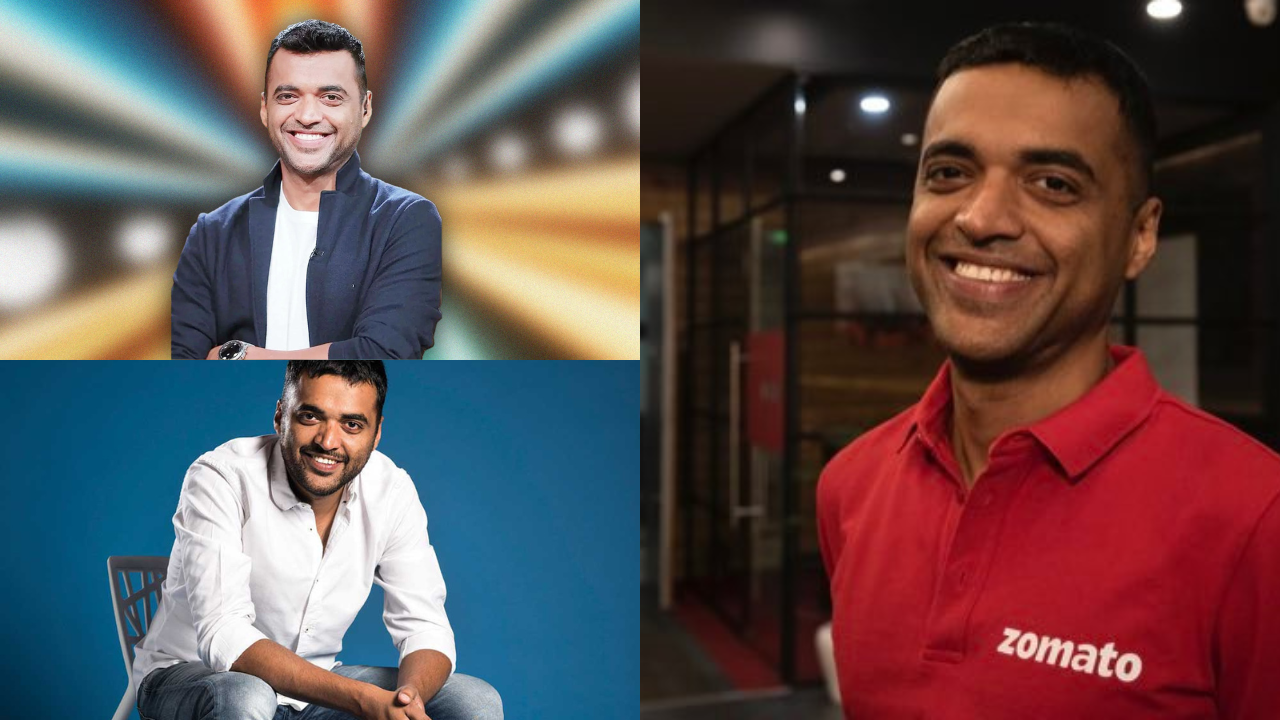

Zomato’s Co-founder and CEO, Deepinder Goyal, recently unveiled a rare inside look at what he described as a “warehouse from the future,” through a video post on Instagram. The clip, which quickly went viral, showcased the cutting-edge automation powering Blinkit, Zomato’s quick-commerce arm, highlighting India’s rapid strides in logistics technology.
The video, captioned “Not a chocolate factory. Full of chocolates though,” transported viewers into the heart of Blinkit’s futuristic facility. In it, bright orange boxes zipped seamlessly across conveyor belts, aided by high-tech sorting and dispatch systems, while robotic precision orchestrated every step with minimal human intervention. The level of efficiency on display drew comparisons to the world’s most advanced logistics hubs, reinforcing India’s growing position on the global technology and supply chain map.
A Glimpse Into the Future of Quick Commerce
Blinkit, acquired by Zomato in 2022, has consistently pushed boundaries to redefine quick-commerce delivery in India. The newly revealed warehouse embodies this commitment, offering a glimpse into how automation, AI, and robotics are converging to enable near-instant fulfillment.
From automated picking systems to synchronized dispatch lanes, the warehouse is designed to process high-volume orders with speed and accuracy. The visual representation of hundreds of items moving in perfect rhythm underscored the promise of scalable and error-free supply chain management, a crucial factor in Blinkit’s ability to meet consumer demand for 10-minute deliveries.
“India is no longer just catching up with global standards in supply chain automation; we are setting new benchmarks,” said an industry analyst after viewing the video.
Social Media Buzz and Public Reaction
Goyal’s Instagram post triggered an outpouring of admiration from both industry peers and everyday users. Many praised the sophistication of the setup, calling it a sign of India’s growing technological prowess in e-commerce and logistics.
“I am quite surprised to see that level of automation in our Indian warehouses. Wow. Great job,” commented one user, capturing the sentiment shared by thousands who marveled at the futuristic facility.
Others drew parallels to cinematic visuals, likening the Blinkit facility to a “real-life Willy Wonka factory,” where technology had replaced whimsical magic with real-world efficiency.
At the same time, the post also sparked conversations about the balance between automation and human employment. Several users noted that while automation brings efficiency, Blinkit’s human workforce continues to face operational challenges, including workload intensity and labor concerns. This dual narrative highlighted the evolving dynamics of human-technology collaboration in India’s growing quick-commerce sector.
Industry Significance
The showcase comes at a time when quick-commerce is becoming a cornerstone of India’s retail evolution. With urban consumers increasingly prioritizing speed and convenience, companies like Blinkit are investing heavily in back-end infrastructure to ensure reliability.
Automated warehouses like the one revealed by Goyal represent a critical enabler for meeting rising expectations. By leveraging machine learning, robotics, and IoT-powered systems, these facilities can scale up operations, reduce errors, and optimize costs, while ensuring faster last-mile delivery.
Experts suggest that this infrastructure could not only strengthen Blinkit’s market leadership but also set industry-wide benchmarks. In a competitive landscape where players like Swiggy Instamart, Zepto, and Amazon Fresh are vying for dominance, Blinkit’s advanced warehouse systems could become a strategic differentiator.
Balancing Technology and Workforce
While the video celebrated automation, it also opened dialogue around how India’s quick-commerce companies will integrate human and robotic workflows. Industry leaders believe the future lies not in replacing workers but in upskilling them to manage, supervise, and maintain automated systems.
“Automation should be seen as augmentation, not substitution,” said a logistics expert. “The workforce of tomorrow will require new skillsets—from operating robotics interfaces to analyzing real-time data. Companies like Blinkit can lead this transition by creating training pathways for their employees.”
Zomato’s CEO Deepinder Goyal’s Vision
Deepinder Goyal, who has often been credited with bold strategic bets, appeared intentional in sharing this inside look. The post not only highlighted Blinkit’s capabilities but also positioned Zomato as a technology-first company driving innovation beyond food delivery.
Industry watchers interpret the move as a strategic signal to investors, consumers, and competitors alike: Zomato and Blinkit are prepared to scale with precision, speed, and futuristic infrastructure.
As Blinkit continues to expand its footprint, the unveiling of its automated warehouse sets the tone for the next phase of growth in India’s quick-commerce sector. The combination of technological infrastructure, consumer demand, and evolving workforce strategies will shape how the industry matures in the coming years.
For now, Goyal’s video has successfully captured public imagination—turning a routine operational update into a moment of national pride and sparking conversations about the future of retail, logistics, and work itself.