
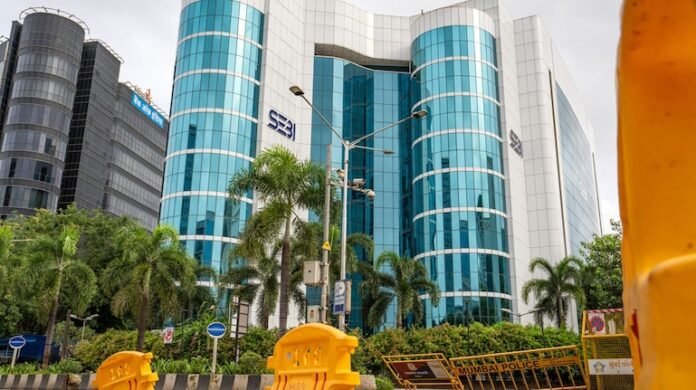
Market regulator Securities and Exchange Board of India (SEBI) has barred Ashok Dilipkumar Jain, chairman of BSE-listed laundry services firm Le Lavoir Ltd, from accessing the securities market, citing prima facie evidence of alleged price manipulation, fund diversion and a scheme involving preferential warrants.
In an interim ex-parte order, the regulator also barred Le Lavoir from raising further capital and restrained 13 others from dealing in its shares. The action comes ahead of the November 29 lock-in expiry, with SEBI apprehending that Jain and connected entities could sell their shares once the restriction ends.
The directions follow SEBI’s examination of trading activity, WhatsApp communications, the preferential allotment of warrants and the movement of funds raised by the company.
What SEBI alleged
SEBI said WhatsApp messages exchanged between Jain and Surendra Jain, promoter and director of Sunshine Capital Ltd, retrieved from a device seized during searches on December 5 and 6, 2024, contained discussions on Le Lavoir’s shares, price targets, recommendations to buy the scrip and forthcoming corporate announcements.
The communications also referred to proposed corporate developments, including an increase in authorised share capital, and suggested the stock could rise substantially, with one message referring to a potential increase of “Minimum 3X from the current prices”.
The regulator said these communications, along with the trading pattern and other material examined, prima facie indicated an intention to manipulate the scrip.
SEBI Whole Time Member Kamlesh Chandra Varshney, in his interim order, noted that there was a possibility of disposal of the shares upon expiry of the lock-in period, which he described as a specific and time-sensitive concern. “The alleged trading pattern, the substantial shareholding and the other circumstances discussed above warrant consideration of interim measures to prevent any action which may prejudice investors or frustrate the ongoing examination,” Varshney said.
The preferential warrant issue
Jain joined Le Lavoir as chairman and non-executive director on November 19, 2024. The company subsequently proposed issuing 37.5 lakh convertible warrants at Rs 264.75 apiece, worth Rs 99.28 crore. The issue was scaled down, with 15.81 lakh warrants allotted to 25 investors in October 2025, raising around Rs 10.46 crore as initial subscription money.
SEBI alleged that Jain, his wife and daughter received 8.78 lakh warrants, while allottees connected with Jain accounted for 13.47 lakh warrants, or 85.24 percent of the allotment.
How the subscription money was allegedly funded
SEBI’s examination of bank statements of certain preferential allottees indicated that their subscription amounts were allegedly funded directly or indirectly by Jain or entities connected with him.
Sonali Abhaykumar Parmar, allotted 60,000 warrants, received Rs 40 lakh from Jain and his wife through Kirti Dilipkumar Jain, identified as Jain’s sister, to fund her Rs 39.71 lakh initial subscription. Parmar subsequently paid the amount to Le Lavoir.
V P Jaware Gowda, allotted 78,000 warrants, received Rs 31.38 lakh from Sheeba Swapna, an entity connected with Jain, which was transferred to Le Lavoir within minutes. This represented around 60.79 percent of his initial subscription amount.
SEBI noted that Jain, his family members and Parmar accounted for around Rs 6.21 crore, or 59.37 percent of the total initial subscription amount received by Le Lavoir.
Where the proceeds went
SEBI flagged transfers involving Ghantiram Foods, Shree Vrajendra Foods and Ghura Industries, alleging funds moved through multiple entities before reaching Jain. It questioned a Rs 2.61 crore loan repayment to Dhanashree Electronics, noting no corresponding loan receipt in the company’s FY26 bank statements. Separately, Rs 1.55 crore was advanced to Ghura Industries, with portions subsequently routed through other entities.
The regulator also flagged the discontinuation of arrangements with Hotel Fariyas and Hotel Tunga, whose subsequent developments were allegedly not disclosed to stock exchanges.
SEBI said certain traders connected with Jain allegedly contributed to price increases through small trades, including single-share first trades above the previous day’s closing price. The order also referred to earlier proceedings involving Jain and Darjeeling Industries Ltd.
What happens next
The findings are prima facie observations in an ex-parte interim order. The noticees have 21 days to submit replies and seek a hearing.
Frequently Asked Questions
Who has SEBI barred in the Le Lavoir case?
SEBI has barred Le Lavoir chairman Ashok Dilipkumar Jain from accessing the securities market and restrained 13 other entities and individuals from dealing in the company’s shares. The regulator has also prohibited Le Lavoir from raising further capital.
What did SEBI allege against Jain?
SEBI alleged prima facie evidence of price manipulation, fund diversion and a scheme involving preferential warrants. It cited WhatsApp messages discussing price targets and corporate announcements, and bank statements suggesting subscription money was funded by Jain or entities connected with him.
Why did SEBI act before the lock-in expiry?
SEBI said there was a possibility that Jain and connected entities could dispose of their shares after the lock-in period expires on November 29, 2026. The regulator called this a specific and time-sensitive concern and passed interim measures to protect investors while its examination continues.

