
Police tighten surveillance after Panvel and Khopoli incidents, while delivery workers’ strike call and banner disputes highlight deeper civic challenges.
As Mumbai gears up for the New Year celebrations, the city’s law‑and‑order machinery, municipal services, and civic politics are facing rising challenges. From police crackdowns to political tussles over redevelopment and public displays, the closing days of 2025 have kept the Mumbai Metropolitan Region on high alert.
Police Crackdowns Across Key Locations
In Raigad district’s Khopoli, a recent police operation made headlines when a disturbance reportedly escalated into a violent altercation. Local police swiftly intervened, detaining several individuals linked to the confrontation. Authorities say the action was aimed at “preventing escalation and maintaining local peace,” emphasizing their commitment to swift, community‑based policing during the holiday season.
The Panvel region, too, saw a significant action when a police team intercepted an illegal arms consignment. Sources from Panvel Police stated that the operation, carried out after days of surveillance, resulted in the recovery of country‑made firearms and ammunition believed to be linked to local gangs. The timely intervention has added a sense of vigilance among residents, particularly as the festive season traditionally sees large gatherings and increased city movement.
An official said, “We are maintaining zero tolerance towards any activity that threatens public peace. Our teams are working round the clock across Raigad, Navi Mumbai, and Greater Mumbai.”
These consecutive actions demonstrate the police department’s alertness to safeguard urban neighborhoods where law‑and‑order issues have potential to disrupt civic life.
Threat of Delivery Workers’ Strike Before Year-End
Adding to Mumbai’s seasonal strain, delivery and gig‑economy workers have called for a possible strike or protest over alleged wage delays and working‑hour grievances. The move, if not resolved soon, could heavily affect food delivery, courier, and online retail services during year‑end festivities — a period when Mumbai’s leisure and hospitality sectors record their highest volumes.
Associations representing riders have demanded better pay protection, accident insurance, and timely payouts from app-based platforms. Discussions between representatives and aggregators remain ongoing, with mediation led by labor and transport officials.
For thousands of Mumbai households and businesses dependent on app-based services, even a short disruption could be felt widely. Restaurants, hotels, and e-commerce vendors are preparing contingency plans, while some platform companies are trying to reassure their partners of partial compensation or alternative delivery routes.
Civic observers note that the unfolding situation reflects a deeper tension in India’s gig economy — where rising consumer demand outpaces labor regulation. The outcome of negotiations this week may set an important precedent for other cities experiencing similar gig worker protests.
Civic and Political Undercurrents: Redevelopment, Posters, and Urban Image
While law‑and‑order stays under watch, municipal politics in Mumbai and Thane continues to influence public sentiment. Banner and poster disputes among political parties have once again dominated local news. Authorities have stepped up enforcement of regulations requiring prior permissions for hoardings, following complaints about illegal displays that clutter major junctions and deface public property.
The “poster war” — pitting rival leaders intent on marking territory before upcoming civic polls — has reignited old tensions over display permissions. In Thane and Mumbai suburbs, teams from municipal corporations have removed dozens of unauthorized hoardings this week. This administrative push aligns with larger efforts to reclaim public spaces and project a cleaner, redevelopment‑focused image of the region.
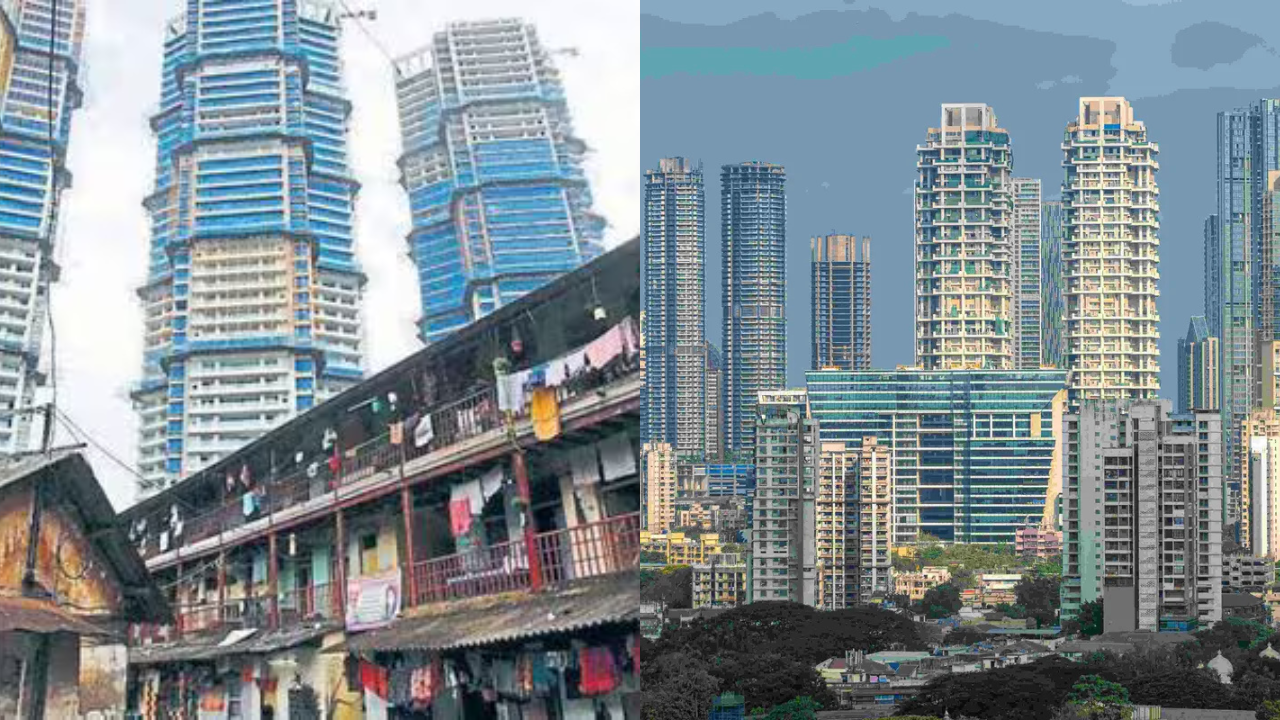
At the same time, redevelopment debates within the Brihanmumbai Municipal Corporation (BMC) have intensified. Key issues involve delays in cessed‑building projects, slum redevelopment permissions, and disputes between housing societies and developers. Several MLAs and corporators are calling for a transparent framework to fast‑track stalled projects, arguing that housing redevelopment remains central to urban renewal and economic recovery in Mumbai.
Urban analysts suggest that the convergence of these matters — policing, worker rights, and governance — demonstrates how Mumbai’s growth continues to test its institutional capacity. Security, civic infrastructure, and equitable urban services must evolve simultaneously to sustain the metropolis’s pace of life.
City Administration on High Alert
BMC, Mumbai Police, and local administrations have already activated year‑end monitoring cells to respond to emergencies. Traffic police are managing routes with increased vigilance, especially along Marine Drive, Bandra, and key party hubs expected to witness heavy evening crowds. Anti‑drunk‑driving campaigns and crowd‑management advisories have been issued, while control rooms remain operational on a 24‑hour basis through New Year’s Eve.
Officials are hopeful that public cooperation will ensure a peaceful conclusion to the year. With Mumbai’s daily rhythm returning to pre‑pandemic levels of activity, authorities are focusing equally on security, sanitation, and crowd management. Similar alerts have been extended to satellite cities like Navi Mumbai and Thane, where major malls and recreation spots anticipate large turnouts.
Outlook: Balancing Security, Services, and Civic Harmony
The series of incidents and developments — police actions in Khopoli and Panvel, possible worker strikes, poster disputes, and redevelopment debates — together capture Mumbai’s continuing struggle between rapid modernization and grassroots governance.
Experts believe cooperation between law‑enforcement agencies, local administration, and civic bodies will be vital in the first quarter of 2026. Public safety, social stability, and urban renewal will remain the city’s key benchmarks as it seeks to navigate industrial expansion and population pressures.