Opposition leader Atul Londhe calls for a probe, citing poor implementation and lack of transparency in welfare scheme.
Maharashtra Congress leader Atul Londhe has raised serious allegations of corruption in the state government’s flagship welfare scheme, ‘Anandacha Shidha’, calling for an immediate investigation into the irregularities. The scheme, which was launched to provide festive food kits to economically weaker families, is now under the scanner for alleged mismanagement, poor-quality supplies, and uneven distribution across the state.
Addressing a press conference on Friday, Atul Londhe, the official spokesperson of the Maharashtra Pradesh Congress Committee, said that the implementation of the ‘Anandacha Shidha’ scheme has been marred by large-scale corruption. “Huge corruption is taking place in the Anandacha Shidha scheme. The Maharashtra government must form a committee to probe irregularities,” Londhe demanded during the briefing.
Scheme Aimed at Festive Relief to Poor Families
The ‘Anandacha Shidha’ scheme was introduced by the Eknath Shinde-led Maharashtra government through a Government Resolution (GR) dated October 4, 2022. The initiative targeted households categorized under the Antyodaya Anna Yojana (AAY) and Priority Households (PHH), as defined under the National Food Security Act (NFSA), 2013.
Under this welfare scheme, the state government promised to distribute food kits containing basic essentials such as suji (semolina), chana dal (Bengal gram), sugar, and one litre of edible oil to families before major festivals like Ganesh Chaturthi and Diwali. Its objective was to ensure that low-income families could celebrate festivals with dignity and without financial strain.
Alleged Lapses and Quality Concerns
Londhe, however, claimed that the scheme’s noble intentions were overshadowed by widespread irregularities in execution. According to him, 70 to 80 per cent of areas across Maharashtra have not been adequately covered, depriving thousands of eligible families of their rightful benefits.
He also criticized the poor quality of items distributed through the scheme. Reports from various districts seem to support this concern, with some beneficiaries allegedly receiving food kits that contained substandard or expired materials. Londhe alleged that the malpractice points to a deeper nexus of corruption involving contractors and officials, suggesting that the procurement and distribution processes might have been manipulated for financial gain.
He said such irregularities not only indicate administrative failure but also betray public trust. “People were expecting some relief during festivals, but instead, they have been given poor-quality kits — and the majority haven’t even received them,” Londhe added.
Opposition Questions Transparency
The Congress leader emphasized the need for a transparent inquiry into the scheme’s implementation, urging the state to appoint an independent committee to investigate allegations of fraud and negligence. He accused the ruling government of ignoring complaints raised by citizens and opposition leaders about the poor rollout and lack of accountability in public spending.
Londhe stated that government welfare schemes — especially those designed for disadvantaged groups — must be implemented with integrity and care. He reiterated that public money meant for the poor must not be misused under any circumstances.
“The government owes an explanation to the people about how such a crucial welfare project went wrong. There should be a proper probe, and those responsible must face action,” he said.
Political Context and Reactions
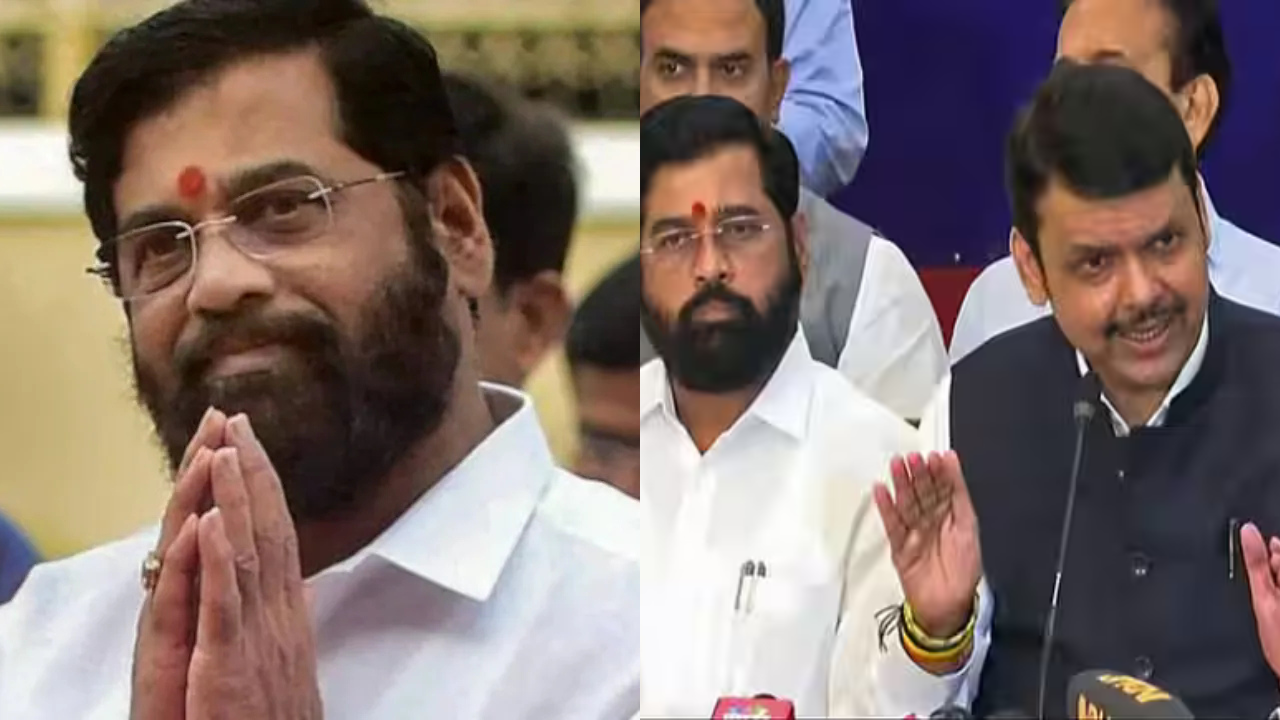
The allegations come at a politically sensitive time when the Eknath Shinde-Devendra Fadnavis government is projecting its welfare programs as part of its “pro-poor” and “inclusive growth” agenda. The Congress party, on the other hand, has been vocal about alleged lapses in several government-backed initiatives, accusing the state administration of prioritizing image over impact.
While the government has not yet issued an official response to Londhe’s statements, officials from the Food and Civil Supplies Department have maintained in the past that the scheme was executed “in a structured and transparent manner” through local administrative bodies. However, opposition parties insist that data transparency related to procurement, vendor selection, and distribution must be made public to rebuild public confidence.
Several civil society organizations have also requested the government to audit the scheme’s expenditure and publish a detailed beneficiary list to clarify how many families actually received the food kits and whether they matched the promised quality standards.
Demand for Accountability and Policy Review
Experts and social workers across the state believe that while schemes like ‘Anandacha Shidha’ serve a crucial social purpose, their effectiveness depends on efficiency, integrity, and continuous monitoring. Without proper checks, such initiatives risk being reduced to political showpieces rather than instruments of welfare.
Londhe’s demand for a probe has once again brought the focus on the need for transparency in public welfare schemes, a recurring debate in Maharashtra’s governance model. If proven true, the alleged corruption in this case could become a major political issue ahead of upcoming elections, potentially influencing public sentiment against the current administration.
As calls for inquiry grow louder, all eyes are now on the Maharashtra government’s next move — whether it will initiate an independent investigation, strengthen oversight mechanisms, or dismiss the allegations as political rhetoric.