
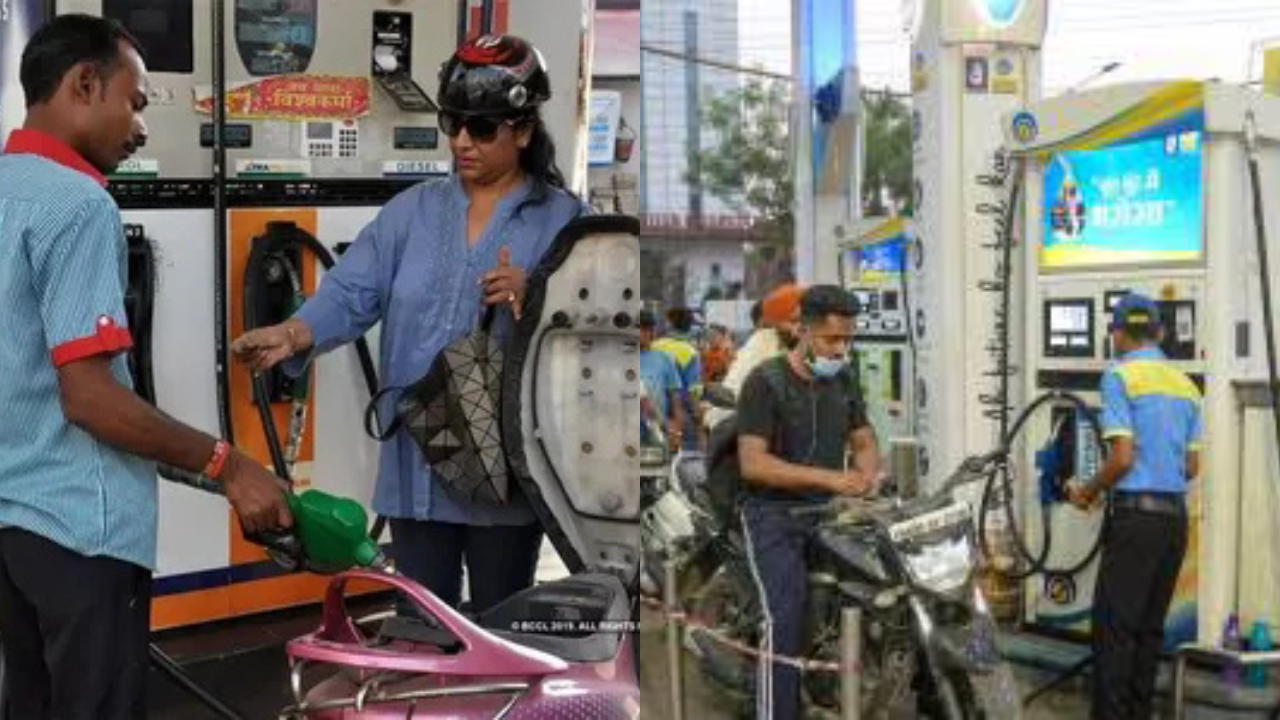
Fuel prices across major cities in Maharashtra have officially seen a slight decline today, offering some relief to consumers amid fluctuating costs over recent weeks. As of October 10, petrol prices in key cities range mostly between ₹103.39 and ₹105.50 per liter, while diesel prices are recorded between ₹90.03 and ₹92.03 per liter. In Mumbai, the state’s bustling capital, petrol is priced at ₹103.50 per liter, and diesel at ₹90.03 per liter, maintaining a stable rate compared to yesterday.
Overview of Current Fuel Rates
Fuel prices in Maharashtra have experienced considerable shifts over the past few months due to varying factors such as crude oil costs, state taxes, and logistical expenses. On this day, customers in cities like Pune see petrol priced around ₹104.17 per litre, while diesel is close to ₹90.29. Other urban centers, including Amravati, Chandrapur, and Nanded, display petrol prices nearing the upper end of the spectrum at ₹105.50 alongside diesel rates up to ₹92.03 per litre.
The Mumbai figures stand out as slightly lower in comparison, reflecting local tax policies and supply chain efficiencies specific to the metropolitan region. Compared to recent weeks when prices hovered around ₹104.84 on average for petrol statewide, and slightly above ₹91 for diesel, the current dip marks a welcome easing for daily commuters and businesses reliant on fuel.
Factors Influencing Fuel Price Fluctuations
Maharashtra’s fuel pricing is profoundly influenced by a combination of international crude oil price trends, local taxation, and transportation logistics. Even as global crude prices have seen temporary reductions, the actual retail prices at fuel stations are tempered by the state’s tax regime and cost of distribution.
Taxes and Duties
A significant portion of the fuel price at the pump is made up of state and central taxes. Maharashtra levies a Value Added Tax (VAT) on petrol at around 26%, coupled with additional fixed taxes per liter that contribute substantially to the final price. Diesel, although taxed slightly less than petrol, still carries a VAT of about 24%. Moreover, the Central Government’s excise duty imposes additional charges on both petrol and diesel, supporting various governmental schemes.
This tax structure places Maharashtra among the states with higher fuel costs in India, despite global fluctuations sometimes pushing crude prices downward. The difference in tax rates compared to neighboring states can sometimes lead to notable price disparities at the pump.
Transport and Distribution Costs
Maharashtra’s geographic and logistical factors also add to fuel pricing. The transportation of fuel from refineries to retail outlets involves considerable cost, especially for inland cities farther from coastal refineries and ports. These transportation costs, which include freight, storage, and handling fees, are integrated into the final price consumers pay.
Mumbai, being a coastal metropolis with relatively easier and cheaper access to refineries, often benefits from marginally lower transport costs, helping keep its fuel prices slightly below some inland cities such as Nagpur or Amravati.
Consumer Impact and Market Trends
The slight price decrease witnessed today is expected to offer some respite to Maharashtra’s daily commuters, fleet operators, and businesses that rely heavily on fuel. Lower fuel prices have a cascading effect on transportation costs, commodity pricing, and overall inflation.
While the decrease is modest, it nonetheless signals a more stabilized pricing environment after weeks of incremental increases amid global uncertainties. Consumers and businesses alike remain attentive to daily price revisions, as fuel companies update rates at 6 AM based on international market trends and government notifications.
Fuel Prices in Maharashtra
While today’s prices have slightly retracted, fuel rates remain sensitive to global crude price movements, changes in government levies, and regional factors such as state budgets and infrastructure costs. Experts suggest that the overall trend in the near term may remain stable with periodic minor fluctuations due to these dynamics.
Consumers are encouraged to monitor daily government and oil company announcements for updates, as rates are reviewed and adjusted every morning at 6 AM to keep pace with global and domestic developments.