

Amid growing tensions in the West Asian region, Foreign Minister S Jaishankar began a two-day visit on Sunday. The Coalition Government is also looking at using alternative trade routes and has asked the Export Credit Guarantee Corporation (ECGC) not to increase insurance premiums in the face of rising shipping costs to Europe.
The Ministry of Commerce and Industry said on Monday that the Red Sea shipping crisis could have the biggest impact on India’s exports to Europe, as about 80% of shipments to Europe pass through the region. Red Sea area.
This assumes importance as India’s exports of goods to the European Union (EU) have slowed due to weak demand amid the war between Russia and Ukraine. The EU contributes more than 15% of India’s total export turnover. Additionally, some environment-related trade measures, such as the EU’s carbon border adjustment mechanism and deforestation laws, could harm India’s exports in the future.
The ministry said there has been an increase in attacks on commercial ships passing through the lower Red Sea since mid-November and that 80% of India’s trade in goods with Europe passes through the Red Sea.
“Costs are increasing due to disruptions in the Red Sea. But ultimately it will depend on demand. US exports also pass through the Suez route. Transportation costs are increasing. An additional congestion charge is also charged. But if demand is high, shipments disappear.
“If they are not time-sensitive products, they will be relocated. It’s a global problem. All goods move from east to west via the Red Sea route,” Commerce Minister Sunil Barthwal said at a press conference.
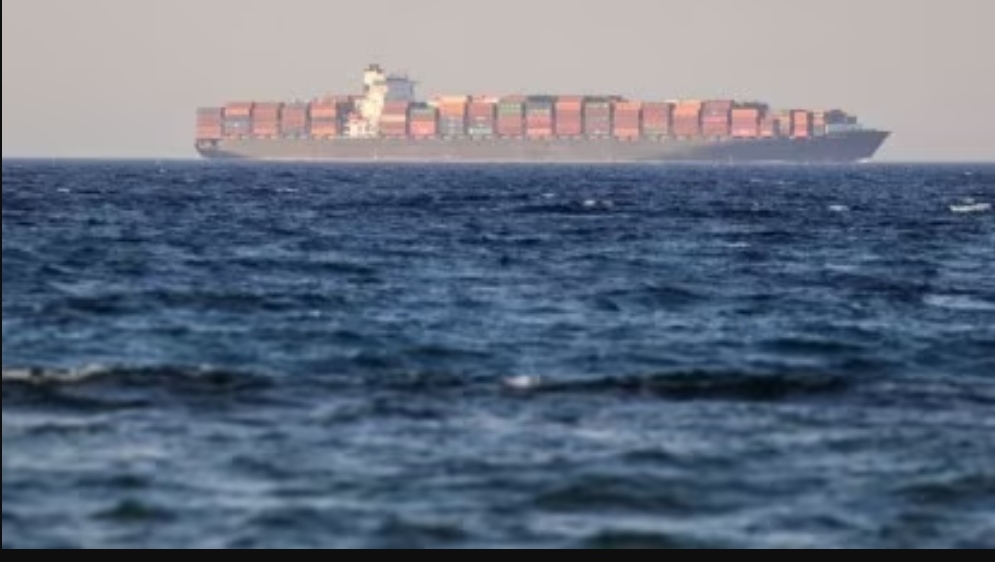
The ministry said the Red Sea region is important for 30% of global container traffic and 12% of global trade and that about 95% of ships have been rerouted around the Cape of Good Hope, adding 4,000 to 6,000 nautical miles and losing 14 to 20 days. for travel.
“Transportation has been suspended due to high freight rates and surcharges (according to EPC). Movements of most ships have been affected and are often delayed for 2-3 weeks as incoming ships with longer journeys are delayed. Currently, container availability is not considered an issue as there is enough space. However, the combined impact of increased shipping costs, insurance fees and longer transit times could make imported goods much more expensive,” the ministry said.
India’s export shipments of low-value products such as agricultural products and textiles to Europe are mainly expected to face the impact of disruptions in the Red Sea region.
Amid growing tensions in the West Asian region, Foreign Minister S Jaishankar began a two-day visit on Sunday. The Coalition Government is also looking at using alternative trade routes and has asked the Export Credit Guarantee Corporation (ECGC) not to increase insurance premiums in the face of rising shipping costs to Europe.
The Indian Express newspaper reported that freight rates to Europe have more than doubled due to security tensions in the Red Sea region. Concerns about disruption in the Red Sea region have grown and oil prices have begun to rise since the US and UK attacked Houthi rebels in Yemen on Friday in retaliation for attacks on their commercial ships. in the Red Sea area.
The commerce ministry has convened an inter-ministerial meeting on January 17, during which officials from five ministries (Foreign Affairs, Defense, Transportation, Finance and Commerce) will develop a plan to address the issues. Global issues affecting Indian business interests.
For more information, visit at https://happenrecently.com/zepto/?amp=1