
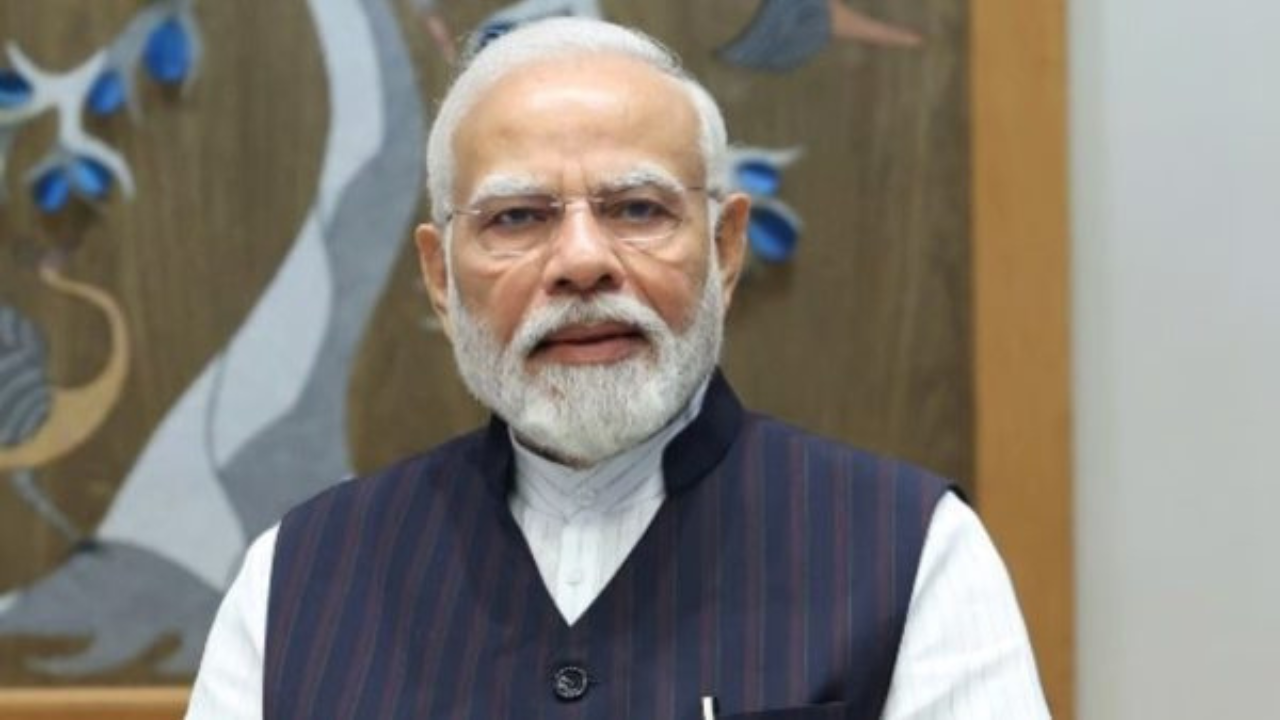
Prime Minister Narendra Modi’s recent visit to Maharashtra has created new momentum for infrastructure growth, urban mobility, and real estate prospects across the state. The visit, which saw the inauguration and foundation-laying of multiple infrastructure projects, was aimed at strengthening connectivity, fostering sustainable urban development, and catalyzing economic growth across Maharashtra’s key regions.
During his visit, Prime Minister Modi inaugurated and launched several major projects that promise to redefine the transportation and urban infrastructure landscape in cities like Mumbai, Pune, and Nagpur. These projects are expected to significantly reduce travel time, enhance regional integration, and open new corridors for real estate and industrial expansion.
Major Infrastructure Projects Unveiled
Among the key developments highlighted during the visit were new metro lines, expressways, and airport upgrades. The Prime Minister inaugurated sections of the Mumbai Metro network that will greatly reduce congestion on city roads and provide convenient travel options for millions of daily commuters. This metro expansion is part of the government’s broader vision for integrated, multimodal transportation networks connecting every part of urban Maharashtra.
In addition, the inauguration of key expressway stretches, including those connecting Mumbai, Pune, and Nagpur, will provide faster road connectivity and enhance trade and logistics efficiency. These expressways are designed to reduce travel time between major cities, promote regional business opportunities, and unlock new potential for real estate development in peripheral districts and satellite towns.
Another major highlight was the development progress of upcoming airports and terminal facilities across the state. Enhanced air connectivity is expected to play a pivotal role in connecting Maharashtra’s industrial hubs to national and international markets. New airports and terminal expansions are poised to create thousands of new jobs and strengthen the tourism and service sectors.
A Push for Sustainable Urban Growth
Prime Minister Modi emphasized that modern infrastructure is essential to building a Viksit Bharat and that Maharashtra will play a leading role in this transformation. The projects launched reflect a focus on sustainable growth through innovative engineering, green energy use, and urban mobility solutions.
Under initiatives like the Smart Cities Mission and PM Gati Shakti, Maharashtra’s cities have seen rapid adoption of smart infrastructure technologies. The Prime Minister reiterated that future city planning must prioritize clean energy, public transport, waste management, and water conservation. This holistic approach is expected to make Maharashtra a model for sustainable urbanization in India.
Strengthening Regional Economies
The newly launched infrastructure projects are expected to create direct and indirect employment opportunities across multiple sectors — including construction, logistics, transportation, and real estate. With better connectivity, regions like Navi Mumbai, Thane, Nashik, and Aurangabad are set to witness increased investor interest and industrial activity.
Economic experts believe these connectivity enhancements will accelerate Maharashtra’s transition into a logistics and mobility hub. Enhanced road and metro connectivity will make commuting more affordable and efficient, directly benefiting working professionals and the service industry. Meanwhile, industrial clusters connected to expressway networks will see a sharp boost in manufacturing and warehousing capabilities.
Real Estate Sector Poised for Growth
One of the most immediate benefits of these infrastructure projects will be felt in the real estate sector. Improved connectivity often leads to significant appreciation in property values, expansion of residential zones, and increased demand for commercial spaces. Areas along new transport lines—particularly near metro stations and expressway junctions—are expected to attract both homebuyers and developers.
Real estate analysts project that the newly inaugurated metro corridors in Mumbai and Nagpur will have a transformative effect on urban housing demand. Affordable housing projects and mixed-use developments will become more feasible in areas previously distant from major employment centers. Similarly, road and airport developments across Pune and Aurangabad will make these regions attractive for both investors and first-time homeowners.
Industry experts suggest that infrastructural momentum, supported by government-backed reforms in housing and urban policy, will ensure sustainable market expansion rather than speculative growth. The synergy between government initiatives and private participation is expected to turn Maharashtra into one of India’s most dynamic real estate markets in the coming decade.
Modi’s Vision for Maharashtra’s Future
In his address during the event, Prime Minister Modi reaffirmed his government’s commitment to equipping Maharashtra with world-class infrastructure that will contribute to India’s goal of becoming a developed nation by 2047. He highlighted the importance of swift project execution, technological adoption, and efficient governance in realizing the full potential of these investments.
The Prime Minister also applauded Maharashtra’s role as one of India’s industrial powerhouses and underlined that upgraded logistics, improved transportation networks, and enhanced connectivity will directly benefit citizens and businesses alike. His address reflected the government’s focus on creating people-centric, technology-driven infrastructure capable of meeting the needs of a fast-growing population.
A New Era for Maharashtra
With these new launches and ongoing projects, Maharashtra is entering a new era of infrastructure-led growth. The combined impact of expanding metro networks, expressways, and airport enhancements is set to create a more sustainable, connected, and economically vibrant environment for its citizens.
The visit not only reaffirmed the Centre’s partnership with the Maharashtra Government but also demonstrated a concrete vision of transforming India’s economic engine into a globally competitive region. As these projects progress, residents and industries alike can expect tangible improvements in quality of life, business efficiency, and urban livability.
Prime Minister Modi’s visit, therefore, marks more than just an event—it signifies a renewed commitment to transforming Maharashtra’s infrastructure, empowering its people, and steering its cities toward the future of smart and connected India.