
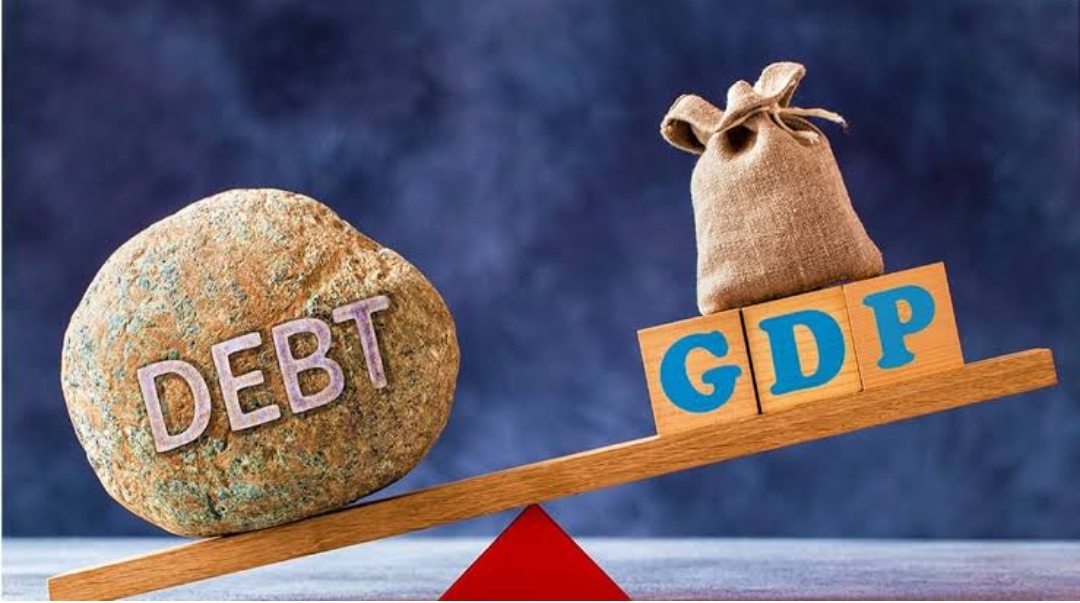
High government debt can severely hamper the growth and stability of a developing economy, leading to a host of negative implications across various sectors. Here’s an elaboration on these consequences:
When a government accumulates high levels of debt, it often resorts to borrowing from domestic markets, crowding out private borrowers. This limits access to credit for businesses and individuals, hindering investment, innovation, and ultimately economic growth.
Servicing high levels of debt requires a significant portion of government revenue to be allocated to interest payments. This diverts funds away from crucial areas such as education, healthcare, and infrastructure, which are essential for long-term development.
Excessive government debt can lead to macroeconomic instability, as it raises concerns about the country’s ability to repay its obligations. This can lead to higher borrowing costs, currency depreciation, and inflationary pressures, eroding purchasing power and diminishing consumer confidence.
High debt levels limit the government’s fiscal space to respond effectively to economic downturns or crises. In times of recession, the government may be constrained in its ability to implement counter-cyclical fiscal policies, exacerbating the impact of the downturn and prolonging the recovery period.
Persistent high debt levels can result in downgraded credit ratings by credit rating agencies. This not only increases borrowing costs for the government but also undermines investor confidence, leading to capital flight and further economic instability.
In extreme cases, excessive government debt can lead to sovereign default, where a government is unable to meet its debt obligations. This can have catastrophic consequences, including capital flight, financial market turmoil, and a prolonged period of economic turmoil and hardship.
High government debt burdens future generations by passing on the obligation to repay debt without commensurate benefits. This can perpetuate a cycle of debt accumulation and repayment, stifling long-term economic growth and prosperity.
In conclusion, high government debt poses significant challenges to the economic development and stability of a developing economy, limiting investment, exacerbating macroeconomic instability, and imposing a burden on future generations. Addressing these challenges requires a combination of prudent fiscal management, structural reforms, and targeted policies aimed at reducing debt levels and promoting sustainable economic growth.
For more information visit at https://happenrecently.com/zepto/?amp=1