
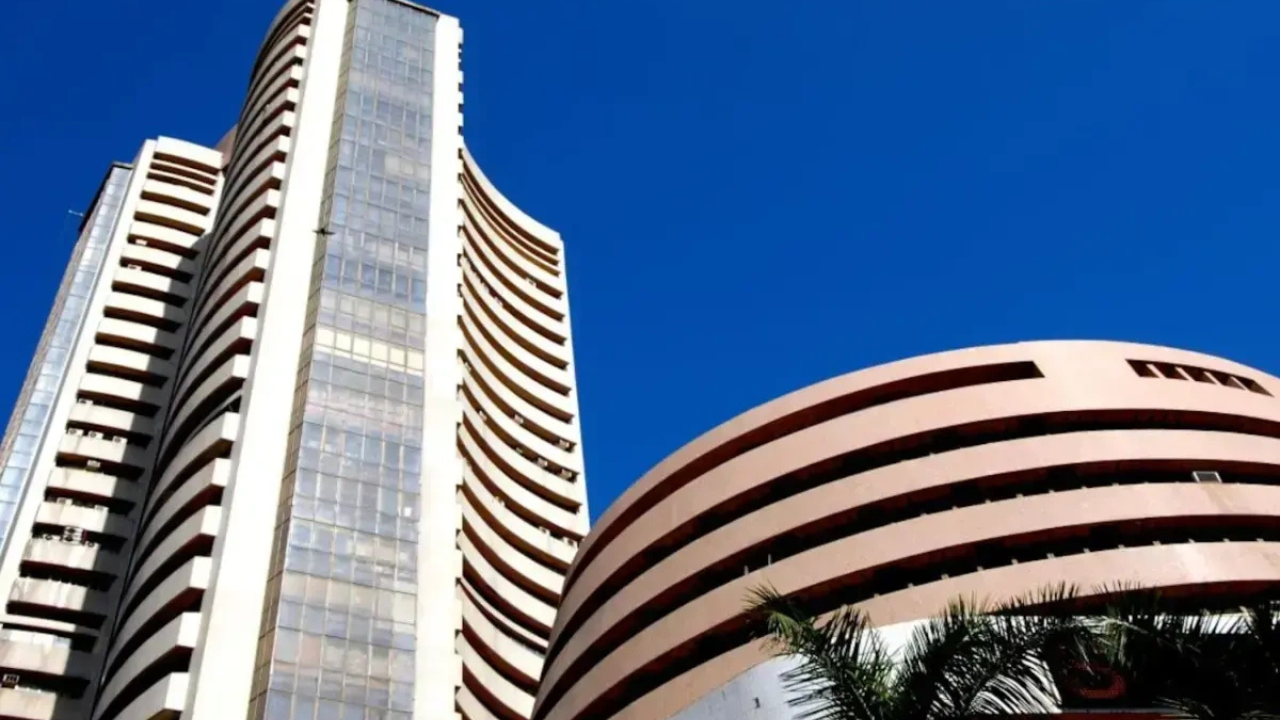
BSE and NSE observe a special trading holiday for Maharashtra Municipal Corporation Elections; normal market operations to resume tomorrow.
Investors and traders woke up to a quiet day on Dalal Street on Thursday, January 15, 2026, as both major Indian stock exchanges—the Bombay Stock Exchange (BSE) and the National Stock Exchange (NSE)—remain closed for trading. The closure comes in observation of the Maharashtra Municipal Corporation Elections 2026, which includes the high-profile Brihanmumbai Municipal Corporation (BMC) polls taking place today.
The special trading holiday, announced earlier this week, allows financial professionals, brokers, and exchange employees in Mumbai to participate in the civic elections. With Mumbai being the financial capital of India and home to both major stock exchanges, this closure marks one of the rare mid-month trading holidays for the country’s equity markets.
BSE and NSE Shut for the Day
According to official circulars issued by both the BSE and NSE, all market segments—including the equity, equity derivative, securities lending and borrowing (SLB), and electronic gold receipts (EGR) segments—will remain closed for the entire day.
However, the commodity derivatives market follows a slightly different schedule. The Multi Commodity Exchange (MCX) and National Commodity & Derivatives Exchange (NCDEX) are closed for the morning session (9:00 AM to 5:00 PM), but will reopen for trading in the evening session (5:00 PM to 11:30 PM). Regular trading across all market segments will resume tomorrow, Friday, January 16, 2026.
The decision to declare a market holiday was taken to facilitate the democratic process, ensuring that professionals working in Mumbai’s expansive financial services ecosystem—ranging from brokerage houses and asset management firms to exchange staff—can cast their votes in the BMC elections.
Reason Behind Today’s Market Holiday
Unlike national holidays such as Republic Day or Diwali, today’s closure is unique to Maharashtra, and particularly to Mumbai, which is the epicenter of India’s capital markets. The BMC elections are among the most politically significant local body elections in the state, often influencing administrative and developmental policies that impact business and infrastructure decisions in the financial hub.
Given the intense activity during polling, combined with the logistical need to maintain public order across Mumbai, the Maharashtra government requested major financial institutions and corporations to adjust their schedules accordingly. Following this, both the BSE and NSE aligned their trading calendar to include January 15 as a holiday.
This move underscores the importance of encouraging voter participation, especially among the lakhs of professionals in Mumbai’s corporate and financial sectors.
Market Recap: Weak Sentiment Before the Holiday
Ahead of today’s closure, the domestic equity markets ended Wednesday’s session on a cautious note, registering declines for the second consecutive day. The Sensex dropped 244.98 points, or 0.29%, to close at 83,382.71, while the Nifty 50 declined 66.70 points, or 0.26%, to settle at 25,665.60.
Market sentiment was pressured by a combination of weak global cues, persistent foreign institutional investor (FII) outflows, and renewed uncertainty surrounding the India–US trade deal discussions. Heavyweight counters in the IT and FMCG sectors recorded significant profit-booking, with Tata Consultancy Services (TCS) and Asian Paints leading the losses.
Despite the bearish undertone, select metal and PSU bank stocks offered some relief. Shares of Tata Steel and several state-run lenders registered mild gains, preventing deeper declines in benchmark indices.
Global Market Trends
While Indian markets remain shut, global equity trends are offering mixed signals today. In the United States, major indices ended Wednesday’s session lower as investors reacted to banking sector earnings and wholesale inflation data. The Nasdaq Composite fell 1%, while the S&P 500 slipped 0.53%, reflecting cautious investor sentiment.
Across Asian markets, trading activity showed subdued momentum. Japan’s Nikkei 225 dropped 1.05%, though the Topix index managed a marginal gain of 0.15%. In Australia, the S&P/ASX 200 edged higher by 0.46%, supported by mining and energy stocks. Meanwhile, South Korea’s Kospi rose 0.57%, as its central bank chose to keep its benchmark interest rate unchanged at 2.50%, aligning with market expectations.
Importance of the BMC Elections for Markets
The BMC elections 2026 carry significant administrative and economic weight, as the civic body oversees critical infrastructure, public health, licensing, and transport services in India’s financial capital. The outcome of these elections often shapes investor confidence and influences Mumbai’s long-term real estate and business development climate.
Though the municipal polls don’t directly impact stock market policies, investors are keenly observing political developments for signs of stability and clarity in local governance. Analysts note that civic policies on real estate, water management, transport, and sanitation can have ripple effects on sectors such as construction, utilities, logistics, and consumer services—all of which contribute substantially to corporate earnings in listed firms.
BSE and NSE Calendar Adjustments for 2026
The BSE and NSE’s list of trading holidays for 2026 initially included 14 official holidays. However, the January 15 addition marks a recent update meant to accommodate today’s polls.
Other upcoming holidays include:
- Republic Day (January 26, Monday)
- Maha Shivratri (February 17, Tuesday)
- Holi (March 10, Tuesday)
- Good Friday (April 3, Friday)
These official closures are announced in advance to help investors and trading institutions plan settlements, fund transfers, and portfolio transactions efficiently.
Investor Outlook: All Eyes on Earnings Season
Even as markets take a breather today, investor focus will soon shift to the ongoing corporate earnings season. Major firms from the IT, banking, and energy sectors are set to announce their Q3 FY26 results in the coming weeks. Analysts expect volatility to heighten as quarterly reports reveal the impact of global demand trends and currency movements on large-cap companies.
Additionally, upcoming macroeconomic events like the release of India’s December inflation data and the RBI’s monetary policy outlook are expected to guide short-term trends.
What to Expect Tomorrow
When trading resumes on Friday, January 16, experts anticipate a steady opening, though global cues and domestic macro data will continue to dictate market direction. Market watchers recommend that retail investors stay cautious amid potential volatility linked to global earnings, oil price fluctuations, and bond yield trends.