
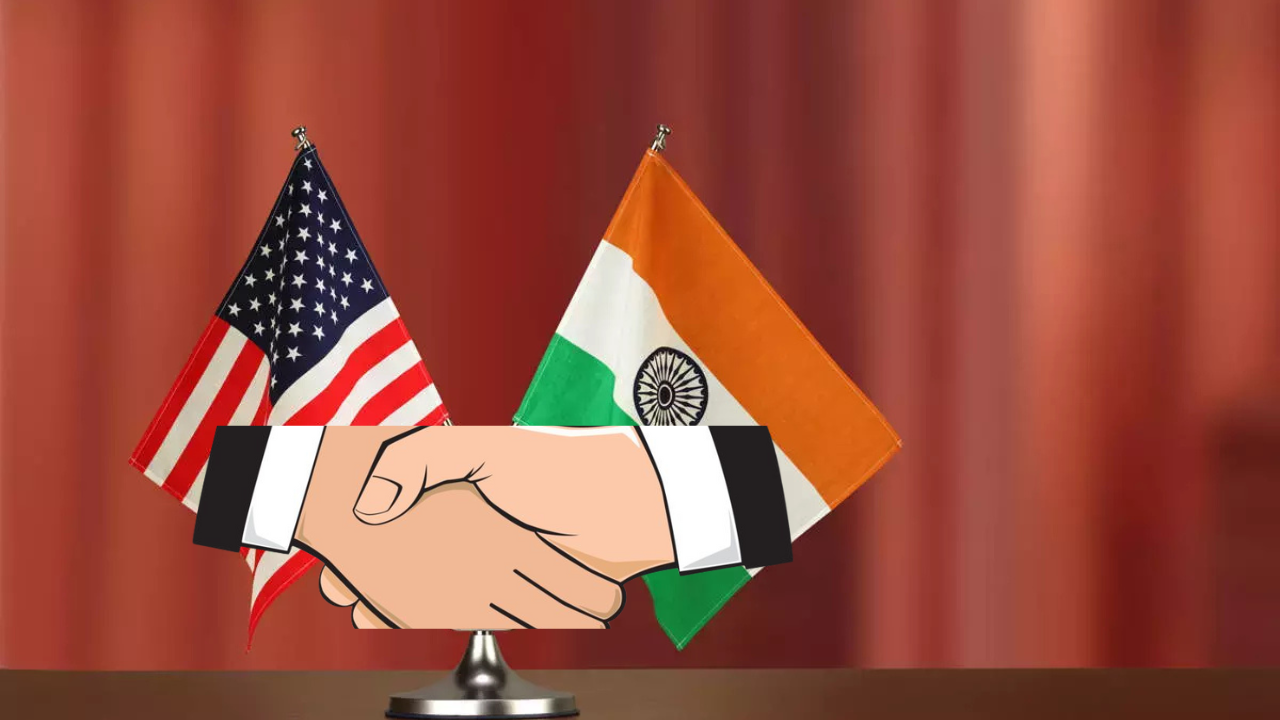
Optimism rises as talks tackle key trade issues despite remaining challenges.
India and the United States have made significant progress in their ongoing trade negotiations, marking a new phase in bilateral economic cooperation. Sources familiar with the matter suggest that India has presented its most comprehensive market access offer yet, signaling a strong intent to build a long-term, balanced trade relationship with the US.
The talks—part of a broader dialogue aimed at strengthening economic, investment, and technological partnerships—continue to highlight the growing strategic importance of India-US relations. While differences remain on certain trade and tariff issues, officials from both countries have expressed optimism about closing gaps and reaching mutually beneficial outcomes.
India’s best-ever offer reflects growing confidence
According to trade ministry insiders, India’s latest proposal represents its best-ever offer on market access. This means New Delhi is willing to open up more sectors for American goods and services, streamline tariff structures, and simplify technical regulations in areas such as agriculture, pharmaceuticals, and renewable energy.
Officials note that this offer is part of India’s broader effort to integrate more deeply into global supply chains and attract foreign investments. The move reflects India’s growing confidence as one of the world’s fastest-growing major economies and a preferred trade partner in the Indo-Pacific region.
“India’s trade policy is now guided by openness, fairness, and reciprocity,” a senior commerce department official told reporters. “We want to ensure that opportunities created by trade benefit both Indian producers and American exporters equally.”
Key areas of negotiation
The ongoing discussions have mainly focused on four key areas:
- Tariff reductions: Both sides are exploring ways to lower tariffs on certain goods, including agricultural produce, medical devices, and industrial machinery.
- Market access for agricultural products: The US has long sought greater access for its poultry, dairy, and farm produce, while India wants improved market conditions for its spices, basmati rice, and marine products.
- Digital trade and data issues: With India’s growing digital economy, rules around cross-border data flows and digital services have become central to the talks.
- Intellectual property and pharmaceuticals: The countries are also negotiating on intellectual property rights (IPR) and generic drug exports to ensure fair access and affordable healthcare.
Growing trade partnership
Trade between India and the United States has steadily increased in recent years. Bilateral trade crossed $200 billion in 2023, making the US India’s largest trading partner. American companies have invested billions in India’s technology, manufacturing, and renewable sectors, while Indian exports in IT, textiles, and engineering goods have seen rapid growth.
The US government has repeatedly emphasized India’s role as a reliable partner in the global economy, especially amid shifting global supply chains. Both nations are also part of key regional and global initiatives such as the Indo-Pacific Economic Framework (IPEF), which aims to promote sustainable trade and investment practices.
Challenges still remain
Despite the progress, several challenges continue to complicate negotiations. The US has raised concerns over some of India’s tariff and regulatory policies, particularly those affecting agricultural imports and digital services. On the other hand, India remains cautious about commitments that might affect its domestic industries or alter fundamental data regulations.
Analysts point out that issues such as visa policies for skilled workers, investment barriers, and non-tariff measures could take longer to resolve. Both sides, however, appear committed to addressing these differences through dialogue rather than confrontation.
Expert opinions and outlook
Trade experts have hailed India’s latest move as a significant shift in its negotiation strategy. According to Dr. Ramesh Chopra, a Delhi-based trade economist, “India’s best-ever market access offer shows that New Delhi is ready to deepen trade ties on equal terms. The willingness to engage with the US on sensitive issues like agriculture and digital trade is a positive sign.”
Several observers also believe that closer India-US economic collaboration could help both nations reduce their reliance on other major economies and strengthen supply chain resilience. The ongoing talks may also pave the way for the revival of the long-discussed India-US Trade and Investment Framework Agreement (TIFA), which aims to resolve trade disputes and foster new business opportunities.
Shared strategic interests
Beyond trade, both countries are finding common ground in areas like defense manufacturing, clean energy, artificial intelligence, and semiconductors. The US has been keen on supporting India’s manufacturing initiatives such as Make in India and Production Linked Incentive (PLI) schemes that encourage multinational firms to establish production bases in India.
The growing partnership also fits into a broader geopolitical alignment. Both nations view stronger economic cooperation as essential for maintaining stability and growth in the Indo-Pacific region.
Toward a balanced trade future
As the current round of negotiations advances, optimism is growing that India and the United States could soon reach a new understanding on market access and structural reforms. A more balanced trade arrangement could help Indian exporters diversify markets, while American companies benefit from India’s expanding consumer base and investment potential.
If finalized, the deal could become a milestone in India-US economic relations—unlocking opportunities in multiple sectors and cementing India’s emerging role as a pillar of the global economy.
The talks are expected to continue in the coming months, with possible announcements around the next bilateral summit. For now, India’s best-ever trade offer marks a confident and strategic step forward, one that reflects both ambition and pragmatism in shaping the future of Indo-US trade.