
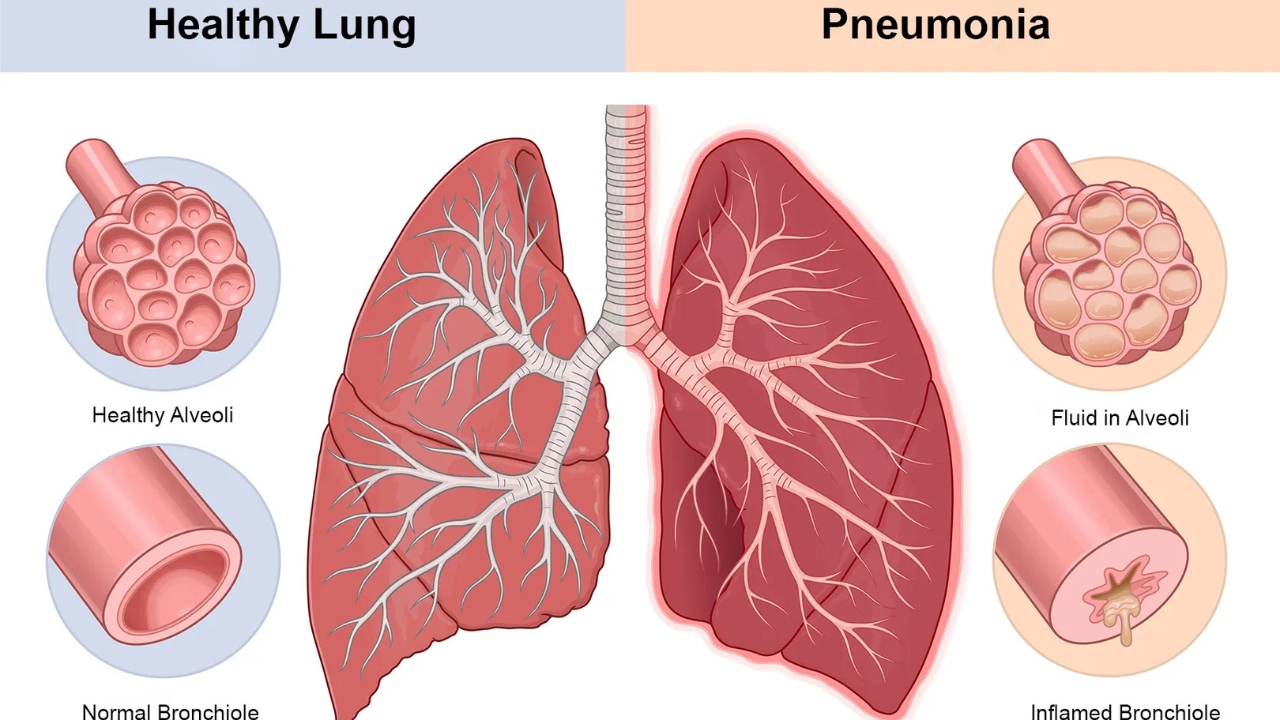
A clear guide to signs, spread, diagnosis and recovery for families and working professionals
Walking pneumonia is a common but often misunderstood lung infection that affects both children and adults. It is called “walking” pneumonia because most people stay active and continue their daily routine instead of needing bed rest or hospital care. In simple words, it is a milder form of pneumonia, but it still affects the lungs and needs proper attention and treatment.
Unlike typical pneumonia, which may cause high fever, severe chest pain and difficulty in breathing, walking pneumonia usually starts slowly and looks like a long‑lasting cold or viral fever. Many people do not even realise that they have pneumonia and assume it is just a normal seasonal infection that is taking longer to settle down.
What Exactly Is Walking Pneumonia?
Walking pneumonia is a type of atypical pneumonia, usually caused by certain bacteria such as Mycoplasma pneumoniae, or sometimes by viruses or other germs. It affects the respiratory tract and the small air sacs in the lungs. The infection leads to swelling and irritation inside the lungs, but not to the same severe level that is seen in classic pneumonia.
In most cases, the symptoms are mild to moderate, which is why people keep “walking” around instead of resting at home. However, even if the illness is not very serious, it can still be uncomfortable and tiring, especially when the cough continues for many days or even weeks.
Common Symptoms People Notice
The early signs of walking pneumonia are very similar to a regular cold or flu. A person may develop:
- Persistent dry cough that refuses to go away
- Low‑grade fever or mild chills
- Sore throat and sneezing
- Headache and tiredness
- Mild chest pain while coughing or taking a deep breath
- Runny or stuffy nose in some cases
In children, symptoms can also include ear pain, feeling very tired, mild breathing difficulty, or chest discomfort. Parents may think it is just a common viral illness, but if the cough lasts for more than 7–10 days or keeps getting worse, it is better to consult a doctor and rule out walking pneumonia.
How Does It Spread?
Walking pneumonia is contagious and spreads from person to person through tiny droplets in the air when an infected person coughs, sneezes, talks, or even breathes close to others. In schools, offices, crowded public transport and markets, these droplets can easily reach people nearby and infect them.
An important point is that a person with walking pneumonia can spread the infection even before they realise they are sick. The incubation period is usually one to four weeks, meaning the germs stay in the body for some time before symptoms start. During this period, a person can unintentionally infect family members, classmates, or colleagues.
Who Is at Higher Risk?
Anyone can get walking pneumonia, but certain groups are more likely to catch it or have stronger symptoms:
- School‑going children and teenagers
- People who spend a lot of time in crowded places
- Individuals with weak immunity
- Elderly adults and people with chronic lung diseases like asthma or COPD
For most healthy people, the illness remains mild. However, in people with weakened immune systems or other health problems, walking pneumonia can sometimes become more serious if ignored.
Diagnosis and When to See a Doctor
Because the symptoms mimic a common cold or mild flu, walking pneumonia is not always easy to identify at home. If a cough continues for more than two weeks, if there is chest pain, breathing difficulty, or if the fever keeps coming back, it is important to seek medical advice.
Doctors usually ask about the patient’s symptoms, their duration, any recent contact with sick people, and may listen to the chest with a stethoscope. In some cases, a chest X‑ray or blood tests may be advised to confirm pneumonia and decide the best line of treatment. Early diagnosis helps in faster recovery and reduces the risk of complications.
Treatment and Home Care
Treatment for walking pneumonia depends on the cause. When bacteria such as Mycoplasma pneumoniae are responsible, doctors often prescribe antibiotics. It is very important to complete the full course of medicines even if the patient starts feeling better in a few days.
Along with medicines, simple home care measures can support recovery:
- Drink plenty of fluids to stay hydrated
- Take adequate rest and avoid overexertion
- Use doctor‑recommended fever or pain relief tablets if needed
- Avoid smoking and stay away from polluted, dusty environments
Most people start feeling better within a few days, but the cough can sometimes last for weeks. This does not always mean the infection is still strong; it may just be the lungs slowly healing. However, if symptoms suddenly worsen, it is necessary to contact the doctor again.
Can Walking Pneumonia Be Prevented?
There is no single guaranteed way to prevent walking pneumonia, but good hygiene and healthy habits can lower the risk:
- Wash hands regularly with soap and water
- Cover mouth and nose while coughing or sneezing
- Avoid close contact with people who have a long‑lasting cough or fever
- Keep immunity strong with a balanced diet, enough sleep and regular exercise
In schools, offices, and public places, following basic respiratory hygiene and staying home when seriously ill can help protect others, especially children and elderly people.
Why Awareness Matters Today
In the post‑pandemic world, people are more alert to respiratory infections, yet many still confuse walking pneumonia with a stubborn cold. Increased public awareness helps in early diagnosis and timely treatment. For working adults, it can reduce long periods of discomfort and absenteeism. For children, early care can prevent complications and repeated infections.
For a news and information platform like “HappenRecently.com”, sharing simple, clear health stories on conditions like walking pneumonia helps readers understand when a “normal cold” might actually be more than that. With accurate information and timely medical consultation, most people recover fully and return to their routine without long‑term problems.