
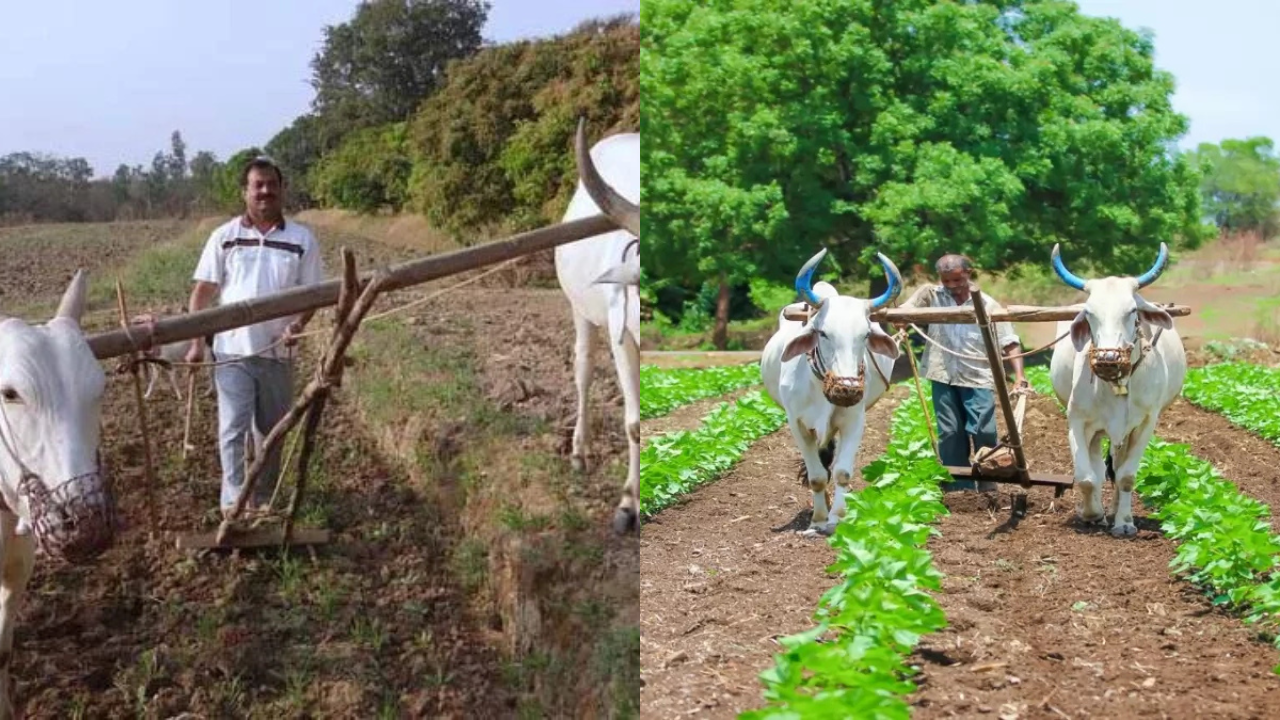
Maharashtra is fast emerging as a trailblazer in India’s sustainable agriculture movement. By promoting Natural Farming practices across the state, the government aims to reduce farming costs, improve soil health, and ensure long-term environmental benefits for future generations. This initiative aligns with India’s broader goal of transforming its agriculture sector through eco-friendly and low-cost farming methods that prioritize both human and ecological well-being.
A Step Toward a Greener Future
Natural farming—often referred to as “chemical-free agriculture”—encourages crop cultivation without synthetic fertilizers, pesticides, or commercially produced growth enhancers. Instead, it relies on biological techniques like composting, cow dung, cow urine-based fertilizers, and multi-cropping systems. Maharashtra’s push in this direction marks a major step toward creating a self-sustaining and resilient farming ecosystem.
Under the state’s new programs, farmers are being guided and trained to adopt natural methods of cultivation that not only reduce input costs but also enhance soil fertility and biodiversity. The ultimate goal is to achieve a balance between productivity and sustainability—ensuring that agriculture remains both profitable and planet-friendly.
Reducing Costs and Increasing Profits
Traditional chemical-based farming systems have often pushed farmers into debt due to rising fertilizer and pesticide costs. Maharashtra’s natural farming initiative directly addresses this problem. By minimizing the need for expensive agrochemicals, farmers can substantially lower their production costs.
The state government, in collaboration with agricultural universities and research institutions, has started pilot projects in several districts to showcase the economic viability of natural farming. These experimental farms demonstrate that yield levels can be maintained—and in some cases, even improved—when ecological methods replace chemical inputs. The reduced dependency on external markets for fertilizers and pesticides also gives farmers greater financial autonomy.
Environmental and Health Benefits
Beyond economics, natural farming brings significant environmental and health benefits. Chemical run-off from conventional farms often contaminates rivers, ponds, and groundwater sources—posing long-term threats to both human and animal health. The adoption of natural farming minimizes this pollution, helping to restore soil and water quality across farming regions.
Moreover, this approach enhances carbon sequestration in soil, contributing to climate change mitigation. When farmers use organic matter to enrich the soil, the captured carbon stays underground rather than contributing to atmospheric greenhouse gases. These measures support Maharashtra’s vision to create a more climate-resilient and sustainable rural economy.
Role of Farmers and Local Communities
At the heart of this revolution are the farmers themselves. Thousands of cultivators across Maharashtra are embracing the idea of self-reliant, environmentally conscious agriculture. Local farmer groups and cooperatives are being encouraged to share knowledge, seeds, and natural fertilizers. The government has started organizing awareness programs, workshops, and field demonstrations to help farmers witness the advantages firsthand.
Some farmers, who have already transitioned to natural farming, report better soil texture, improved crop resistance to pests, and reduced cost of cultivation by 40–60%. For many, this transformation also brings a renewed sense of independence and pride in sustainable living.
Policy Support and Institutional Backing
The Maharashtra government’s commitment to natural farming is supported by various schemes under the state agriculture department. Programs are being linked with national missions such as the Bharat Natural Farming Mission and Paramparagat Krishi Vikas Yojana (PKVY). Subsidies and incentives are being introduced to help small and marginal farmers adopt the new methods without financial burden.
In addition, training centers and agricultural extension offices are expanding their reach to rural areas, offering practical demonstrations and technical guidance. Research collaborations with Krishi Vigyan Kendras (KVKs) and universities are generating locally relevant natural farming models suited for different soil types and climatic conditions across Maharashtra’s districts.
Encouraging Private and NGO Participation
Private organizations, non-governmental bodies, and startups are also playing an important role in promoting eco-friendly agriculture. From providing organic fertilizers and natural pest control solutions to offering digital training tools, these partners bring innovation and scalability to the movement.
Several agritech startups have begun working on soil testing, smart compost systems, and organic certification platforms, giving farmers the modern tools they need to succeed in natural farming. This synergy between technology and tradition is creating new opportunities for sustainable rural entrepreneurship.
Toward a National Model
Maharashtra’s leadership in the natural farming revolution is being closely observed by other Indian states. The success of this approach could shape national agricultural policy and inspire many regions to follow suit. With its unique combination of local innovation, farmer participation, and institutional support, Maharashtra is positioning itself as a model for sustainable agriculture in India.
The movement also resonates with the global shift toward regenerative farming practices. By blending ancient Indian wisdom with modern scientific understanding, Maharashtra is showing how agriculture can be both productive and environmentally responsible.
Conclusion
Maharashtra’s journey toward natural farming is more than an agricultural reform—it is a social and environmental transformation. By empowering farmers, improving soil health, and reducing the ecological footprint of agriculture, the state is demonstrating that true progress lies in harmony with nature.
As India works toward a greener, self-reliant future, Maharashtra’s efforts may well become the cornerstone of the country’s “Natural Farming Revolution.” For farmers, consumers, and policymakers alike, this shift represents hope—a promise of sustainable growth rooted in balance, resilience, and respect for the Earth.