
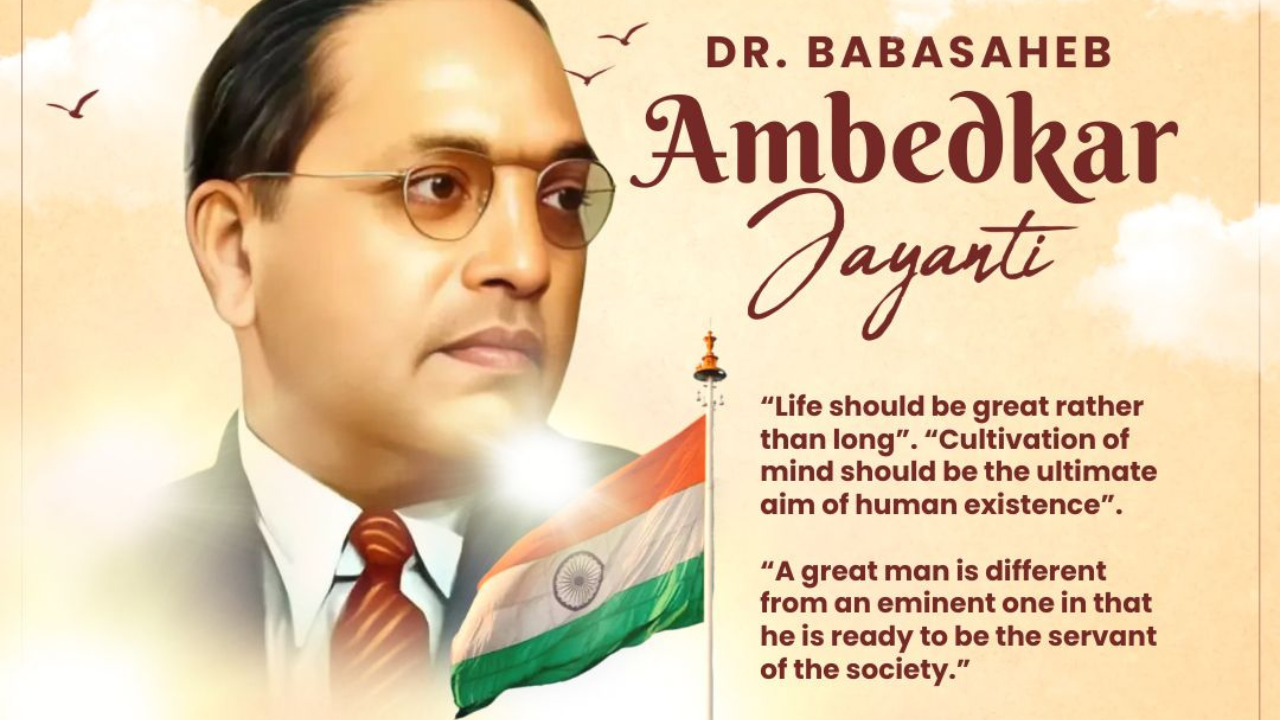
Every year on December 6, India observes Mahaparinirvan Diwas to commemorate the death anniversary of Dr. Bhimrao Ramji Ambedkar, the principal architect of the Indian Constitution and a revered social reformer. The day holds deep emotional and historical significance for millions across the country who view Dr. Ambedkar as a symbol of equality, justice, and empowerment.
Remembering the Architect of Modern India
Dr. B.R. Ambedkar, born on April 14, 1891, dedicated his entire life to fighting social discrimination, strengthening democracy, and securing rights for the marginalized sections of society. His vision for an inclusive and progressive India continues to inspire generations even today.
On 6 December 1956, Babasaheb Ambedkar attained Mahaparinirvan, a term from Buddhist philosophy meaning “ultimate liberation.” Since then, the day has been observed as Mahaparinirvan Diwas, a solemn occasion to reflect upon his immense contributions to the nation and his message of fraternity, liberty, and equality.
Events Across the Nation
Across India, especially in Mumbai, Nagpur, and Delhi, lakhs of followers and admirers gather to pay homage at various memorials dedicated to Babasaheb.
- The focal point of the national observance is Chaitya Bhoomi at Dadar, Mumbai — the final resting place of Dr. Ambedkar. Every year, devotees from different corners of the country visit Chaitya Bhoomi to offer flowers, light candles, and participate in prayer meetings.
- In Nagpur’s Deekshabhoomi, where Dr. Ambedkar embraced Buddhism in 1956 along with his followers, special events, seminars, and cultural programs are organized.
- Government institutions, educational organizations, and social groups conduct remembrance meetings, public lectures, and cleanliness drives inspired by his ideals.
Several states, including Maharashtra and Madhya Pradesh, have declared the day an official public holiday, allowing people to participate in homage events.
Government and Public Tributes
Prime Minister, President, and other dignitaries of India pay floral tributes to Dr. Ambedkar at Parliament House and various memorials. Messages honoring his life and contributions are shared across platforms, reaffirming national commitment to the values of equality and dignity enshrined in the Constitution.
Social media platforms also see a wave of tributes with hashtags like **#MahaparinvanDiwas, **ememberingAmbedkar, and **#Babasahebbedkar trending throughout the day. Citizens, leaders, students, and organizations recall his fight against untouchability and his vision of a society where every individual enjoys equal opportunity.
Continuing Dr. Ambedkar’s Legacy
Dr. Ambedkar’s legacy goes far beyond drafting the Constitution. He was an economist, legal scholar, and visionary thinker who believed that democracy was not just about political rights but also about social and economic democracy.
His reforms in education, labor rights, and women’s empowerment transformed India’s social fabric. Programs like reservations in education and employment were based on his principle of giving historically oppressed communities fair representation.
Even decades after his passing, Dr. Ambedkar’s philosophy continues to shape policy debates and inspire movements for justice and equality. Educational institutions, NGOs, and student organizations keep his teachings alive through workshops, publications, and awareness campaigns.
Messages from Maharashtra and Madhya Pradesh
In Maharashtra, Chief Minister and cabinet leaders paid homage at Chaitya Bhoomi, emphasizing Dr. Ambedkar’s pivotal role in building modern India. Public gatherings, cultural events, and lectures on social harmony were held across Mumbai, Pune, and Nagpur.
In Madhya Pradesh, special programs were organized at Mhow, the birthplace of Dr. Ambedkar, where thousands of visitors came to pay their respects. Government officials and social workers reiterated the importance of following Babasaheb’s message of compassion and equality in contemporary society.
A Symbol of Equality and Unity
Mahaparinirvan Diwas serves as a reminder that Dr. Ambedkar’s struggle was not merely for one community but for every section of society that sought justice, dignity, and equality. His quote — “Cultivation of mind should be the ultimate aim of human existence” — remains an eternal call for education, rationality, and progress.
Today, as India continues to evolve, the teachings of Babasaheb Ambedkar remain deeply relevant. His fight against discrimination, his belief in education as the key to empowerment, and his dream of an equitable society continue to guide India’s democratic journey.
Conclusion:
Mahaparinirvan Diwas is not just a day of remembrance; it is a reaffirmation of India’s democratic foundations and a tribute to one of its greatest visionaries. As millions pay their respects on December 6, the nation collectively honors Dr. B.R. Ambedkar — the father of the Indian Constitution, the champion of human rights, and the eternal symbol of social justice.