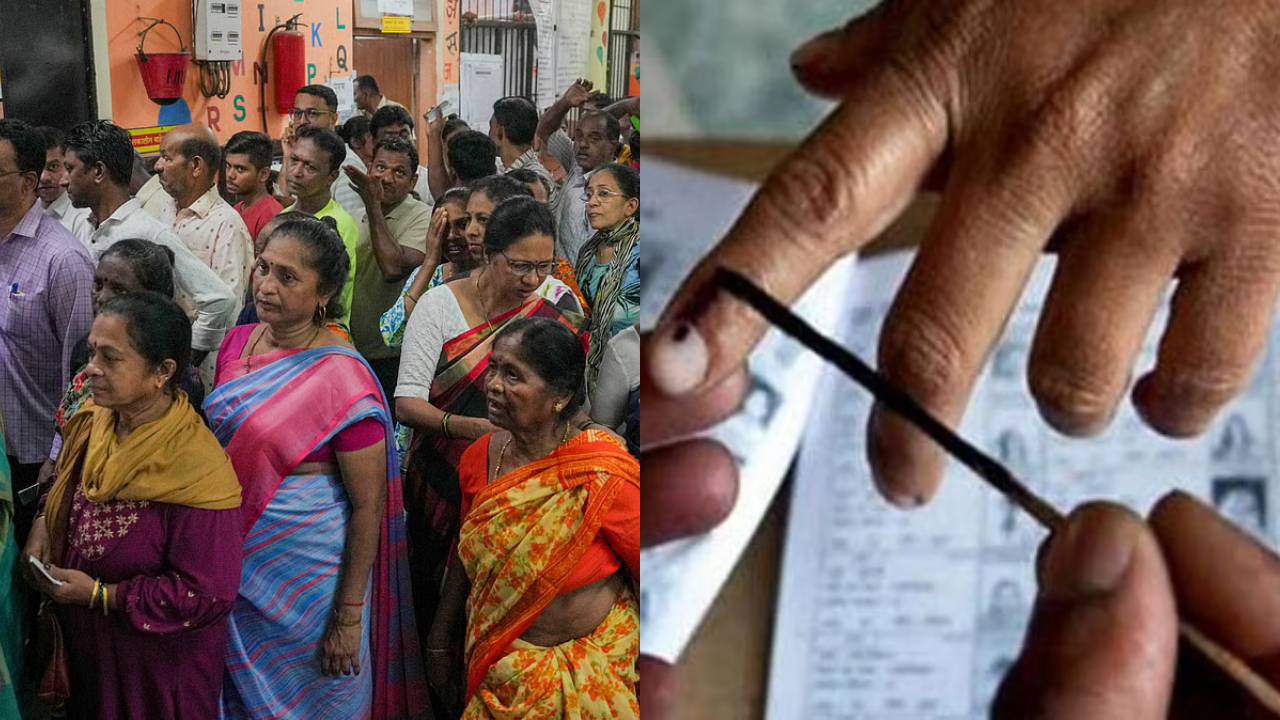
The Maharashtra State Election Commission (SEC) has announced the postponement of certain local body elections across the state, including key areas like Baramati and Fursungi-Uruli Devachi near Pune. This decision, which comes after recent administrative and legal reviews, has become a major topic of discussion in the Pune division.
According to the official communication from the State Election Commission, the new polling dates have been revised to ensure smooth conduct of elections and to address certain logistical and administrative issues raised by local authorities. The announcement has drawn strong reactions from political leaders, civic groups, and residents who had been preparing for the elections in these municipal regions.
Administrative Reasons Behind the Postponement
Officials from the State Election Commission said the decision to postpone the local body elections was not taken lightly. They pointed out that several areas under the Pune division—including Baramati and Fursungi-Uruli Devachi—were recently reorganized administratively, leading to changes in ward boundaries and voter lists.
Due to these recent developments, the Commission felt that conducting elections on the original schedule would be difficult. Accurate voter rolls and administrative clarity are essential before polling can take place. The delay, therefore, is aimed at ensuring that every eligible voter gets the opportunity to participate fairly in the democratic process.
The Election Commission also mentioned that updated notifications regarding the fresh polling dates will soon be issued, allowing sufficient time for candidates and voters to prepare under the revised schedule.
Strong Reactions from Political Circles
The postponement has triggered political debates across the Pune district. Baramati and Fursungi-Uruli Devachi are considered politically active regions, with strong presence of major political parties including the Nationalist Congress Party (NCP), Bharatiya Janata Party (BJP), Shiv Sena (Shinde faction), and the Congress.
Political observers believe that this decision could influence campaign strategies and local alliances. Some local leaders have welcomed the move, saying that it would help correct administrative irregularities before citizens cast their votes. Others, however, have expressed disappointment, calling the postponement a setback for democratic participation.
A senior leader from Pune said the Commission’s decision will give parties more time to connect with voters at the local level. Meanwhile, some opposition members have raised concerns that repeated delays could weaken public enthusiasm and affect voter turnout when elections finally happen.
Focus on Fursungi and Uruli Devachi
Among the affected areas, Fursungi and Uruli Devachi have drawn particular attention. These localities, which were merged with the Pune Municipal Corporation (PMC) in 2021, have been awaiting their first civic polls under the new jurisdiction. Many residents in these areas feel that the delay could postpone much-needed local development projects and civic improvements.
Local citizens have been vocal about the importance of electing representatives who understand the unique challenges of newly merged areas, such as infrastructure development, waste management, and water supply. With the postponement, these civic concerns remain unresolved for now.
Residents have urged the authorities to ensure that the revised election process is transparent and timely, as local governance directly affects their everyday lives.
Reaction from Baramati
In Baramati, a politically significant region often in the spotlight of state politics, the postponement has sparked curiosity and discussion. While the region has a rich political legacy, residents are eager to see how the revised election schedule might affect emerging local leaders and independent candidates.
Political analysts note that Baramati’s voters are quite active and engaged, and a delay of even a few weeks could change the political dynamics. Several local organizations have already started awareness drives to keep citizens informed about the upcoming changes in the election schedule.
SEC’s Official Communication
In its release, the State Election Commission clarified that the postponement was made following careful assessment of ground realities, administrative procedures, and coordination with district collectors. The Commission also reiterated its commitment to ensuring fair, peaceful, and transparent elections across Maharashtra.
The SEC has urged all political parties and citizens to cooperate with the revised schedule. It has also directed local election officers to make all voter lists, boundary maps, and polling station details publicly available once revised.
Public Reactions and Next Steps
On social media, citizens from Pune, Baramati, and surrounding areas have actively discussed the postponement, with many asking for clear communication about the new polling and counting dates. Some residents appreciate the decision, believing it will prevent confusion during the voting process. Others, however, express concern that delays could slow down civic decision-making and local governance.
Local NGOs and voter groups have appealed to the public to stay updated through official sources and avoid misinformation. They also emphasized that postponement should not discourage voter participation once elections resume.
The Election Commission’s move mirrors similar actions taken in other states in the past when administrative or logistical reasons required schedule adjustments. Experts say such measures, while sometimes controversial, are often necessary to uphold the fairness of the election process.
Conclusion
The revised election schedule for Baramati, Fursungi, Uruli Devachi, and other municipal areas in Maharashtra is expected to be announced in the coming days. Until then, political parties are recalibrating their campaign plans, while citizens remain attentive to further updates from the State Election Commission.
This new development marks another significant turn in Maharashtra’s ongoing civic and political journey. While the postponement has invited mixed opinions, all eyes are now on the fresh polling dates and how smoothly the Election Commission manages the upcoming phase of local governance.