
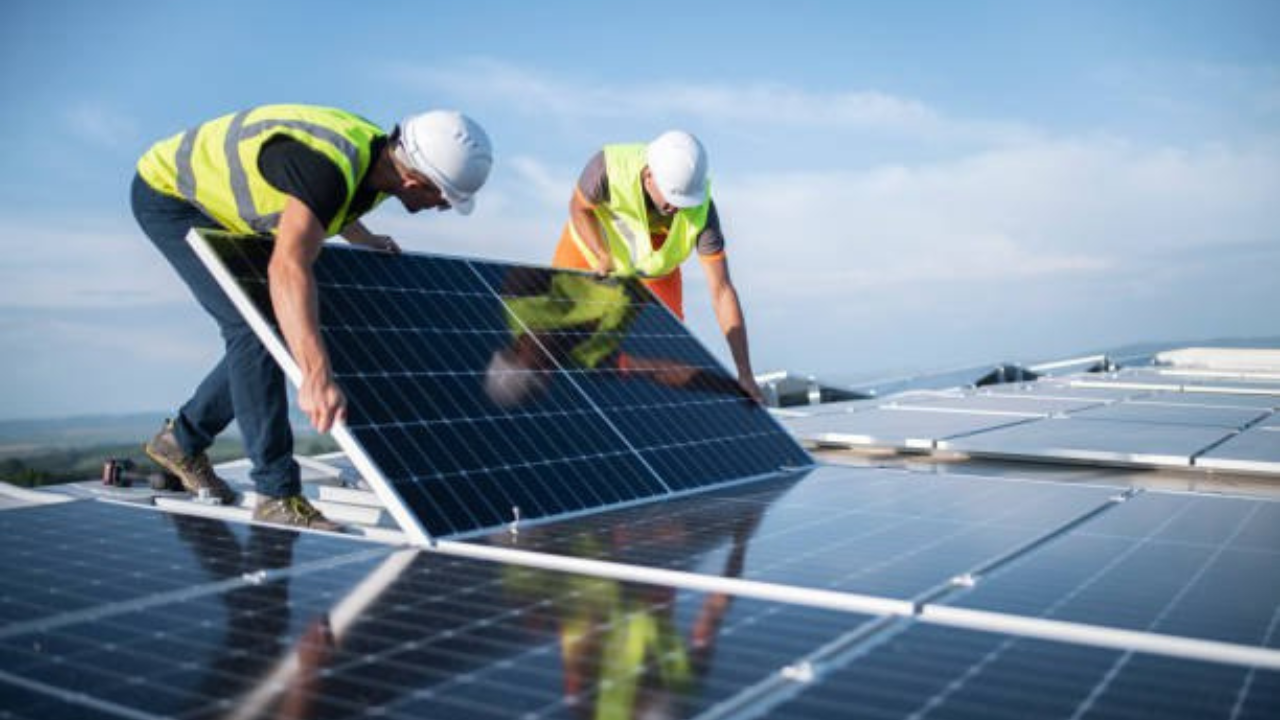
In a major step toward sustainability and cost efficiency, the Maharashtra State Road Transport Corporation (MSRTC) has unveiled an ambitious plan to set up solar power projects across its statewide facilities. The initiative aims to develop a capacity of 300 megawatts (MW) every year, targeting an additional revenue generation of nearly ₹1,000 crore while cutting down its electricity expenses significantly.
The plan reflects MSRTC’s commitment to environmental responsibility and its growing focus on renewable energy integration into its operations. With this roadmap, the state-run transport body is positioning itself not only as a key public service provider but also as a contributor to Maharashtra’s clean energy mission.
Reducing Electricity Costs Through Solar Integration
MSRTC operates thousands of depots, offices, and bus stations across Maharashtra, consuming large amounts of electricity daily for lighting, maintenance, and operational purposes. This substantial power consumption has long been a major expense in the corporation’s annual budget.
By transitioning to solar energy, MSRTC aims to minimize its dependence on conventional power sources and substantially reduce utility bills. The solar projects are planned to be implemented in a phased manner, covering depots, workshops, and main bus stations where large roof surfaces and open land are available for panel installation.
An MSRTC official stated that the corporation has conducted detailed feasibility studies and technical assessments to identify potential locations suitable for solar setups. These projects will be designed to cater not only to MSRTC’s internal electricity needs but also to contribute excess power to the state grid, creating a new revenue stream.
A Step Toward Financial Sustainability
Apart from its service obligations, MSRTC has been exploring ways to optimize its revenues amid rising fuel and maintenance costs. The solar roadmap marks a milestone in the corporation’s financial strategy as it seeks to diversify income sources.
By targeting an annual capacity addition of 300 MW, MSRTC expects to generate over ₹1,000 crore each year from solar power generation. This revenue will come from selling surplus electricity to the Maharashtra State Electricity Distribution Company Limited (MSEDCL) and through various renewable power purchase arrangements.
The potential savings from reduced electricity consumption across depots could also add up to a significant cost advantage. This could directly benefit MSRTC’s operational performance, freeing up funds for infrastructure modernization, bus upgrades, and passenger amenities.
Supporting Maharashtra’s Renewable Energy Vision
The MSRTC initiative aligns closely with the state government’s renewable energy policy, which encourages public sector organizations to adopt green power solutions. Maharashtra has been actively promoting solar power adoption with a target of achieving a multi-gigawatt renewable capacity in coming years.
By leveraging its vast infrastructure network, MSRTC can play an effective role in decentralizing solar energy generation across urban and rural regions. The move could also inspire other state transport undertakings to follow similar models, making public transport more sustainable and self-reliant.
Officials in the energy department have welcomed MSRTC’s plan as a forward-looking concept that adds momentum to the state’s renewable mission. The partnership between transport and energy sectors marks an innovative approach to bridging public infrastructure needs and green energy potential.
Focus on Technology and Implementation
According to the roadmap, the solar projects will utilize latest photovoltaic (PV) technologies optimized for Maharashtra’s climatic conditions. Each installation will be designed to maximize efficiency, ensuring optimal output even during monsoon months.
Experts will oversee design, installation, and maintenance operations, ensuring adherence to quality and environmental standards. The corporation plans to issue tenders for engineering, procurement, and construction (EPC) works, encouraging participation from credible solar developers and technology firms.
In locations where grid connectivity is stable, MSRTC will integrate grid-tied solar systems, while in remote regions, hybrid setups with battery storage could be deployed to ensure reliability. This combination of technology formats will enhance operational flexibility and long-term sustainability.
Additionally, training programs for depot staff are expected to be rolled out to facilitate local management of solar systems. This approach will create skill-building opportunities and ensure internal capabilities in handling renewable energy operations.
Environmental and Economic Benefits
The shift to solar power will have wide-ranging benefits for both the environment and the economy. The estimated 300 MW of annual capacity can offset thousands of tons of carbon emissions, significantly improving MSRTC’s environmental footprint.
Moreover, the project is expected to stimulate local employment during installation and maintenance phases. Manufacturing and assembly of solar panels, inverters, and related equipment could also support the state’s industrial ecosystem, giving a push to micro, small, and medium enterprises involved in the renewable energy supply chain.
With reduced dependency on commercial power and an additional income from solar generation, MSRTC can strengthen its financial sustainability while contributing to India’s broader renewable energy goals.
Looking Ahead
The execution of this solar roadmap signals a dynamic new chapter for MSRTC. The corporation’s vision is not limited to improving its fiscal performance but extends toward building a greener future for public transportation in Maharashtra. Once fully operational, this initiative will make MSRTC one of the largest state transport utilities in India with integrated renewable power systems.
The roadmap emphasizes long-term environmental responsibility and innovation. It reflects how traditional public sector organizations can evolve sustainably in today’s low-carbon economy.
For millions of passengers who rely on MSRTC buses daily, this move represents more than an infrastructural upgrade—it’s a promise of a cleaner, eco-friendly, and financially resilient transport system for the future.