
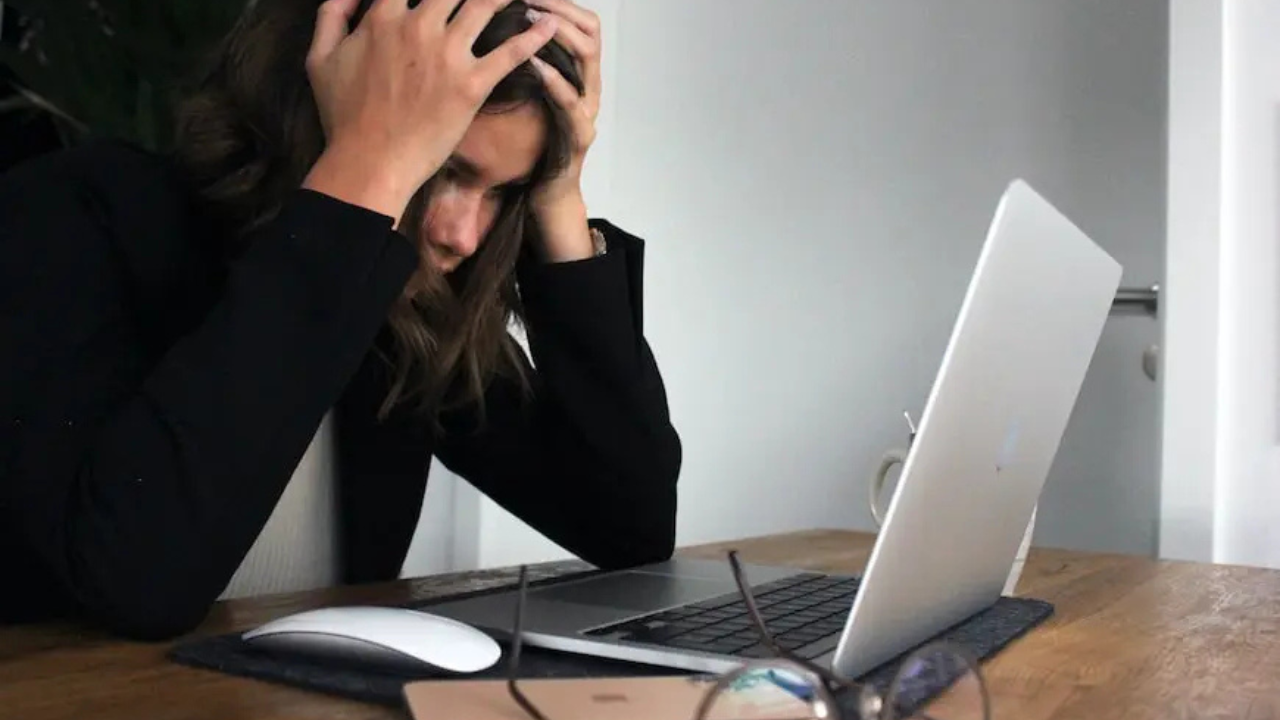
The Hidden Health Effects of Long-Term Laptop Use
Laptops have become part of daily life, whether for work, study, or staying in touch with friends. These portable computers offer freedom and flexibility, allowing us to work from the sofa, bed, café, or train. Yet, using a laptop for long hours without taking precautions can quietly affect our health in several ways. Understanding these risks and taking simple preventive steps can make a big difference in how we feel and function each day.
Posture Problems and Body Pain
One of the most common issues from long laptop use is body pain, especially in the neck, shoulders, and lower back. Unlike desktops, laptops are not built for ergonomics — the screen is low and the keyboard is attached, forcing users to hunch over and strain muscles. Over months or years, this can cause chronic discomfort, stiffness, and problems such as rounded shoulders or even nerve irritation.
Pain can worsen if you use your laptop on the bed or sofa. This posture often leads to slouching, bending your neck steeply, or curling over the device. Over time, small muscle injuries and strains add up, requiring medical attention or physical therapy.
Prevention tips:
- Place your laptop on a desk or table, not on your lap.
- Use a chair with firm support.
- Keep your screen at eye level (try a stand or stack of books).
- Take a 5-minute break every hour to stretch and gently move.
Hand and Wrist Strain
Typing for long periods, especially on a cramped laptop keyboard and touchpad, can put stress on the fingers, wrists, and forearms. This can cause pain, tingling, or numbness, and may lead to repetitive strain injuries such as carpal tunnel syndrome or tendonitis.
Prevention tips:
- Use a separate, full-sized keyboard and mouse whenever possible.
- Keep wrists relaxed, not bent upwards while typing.
- Take frequent short breaks to shake out your hands and stretch.
Eye Strain and Fatigue
Most people know the tired, dry-eye feeling after many hours staring at a laptop. This is part of what’s called “Computer Vision Syndrome” — a group of eye and vision problems caused by prolonged screen use.
Common symptoms include:
- Dry, burning, or itchy eyes
- Blurred or double vision
- Headaches
- Trouble focusing
Screens are bright, often glare, and display tiny text or images. All of these make our eyes work harder than usual. Blue light emitted from screens has also been linked to digital eye strain and may disrupt sleep when used late at night.
Prevention tips:
- Use the 20-20-20 rule: Every 20 minutes, look at something 20 feet away for at least 20 seconds.
- Adjust screen brightness to match your environment.
- Use “night mode” or blue-light blocking filters in the evenings.
Skin and Heat Effects
Laptops can heat up quickly — especially when placed directly on your legs. Frequent contact can result in mild burns or a condition known as “toasted skin syndrome” (medically called erythema ab igne).
People using laptops for hours every day have reported red, patchy skin or brown discoloration on their thighs. In very rare cases, frequent heat exposure has the potential to raise risk for skin changes or even precancerous conditions over long periods.
Prevention tips:
- Always use your laptop on a hard surface, not on bare skin.
- Consider a laptop cooling pad or stand to allow airflow.
Effects on Reproductive and Overall Health
Laptops emit both heat and electromagnetic radiation, especially when connected with Wi-Fi. Studies suggest that, for men, increased scrotal temperature and EMF exposure can negatively affect sperm quality and reproductive health. For women, direct radiation and heat exposure near the abdomen may influence hormone levels or—if pregnant—even affect fetal development, though clear evidence is still emerging.
Prevention tips:
- Keep the laptop off your lap, particularly if planning a family or during pregnancy.
- Use a lap desk or table, maintaining distance from your lower body.
Sleep Disruption
Late-night laptop sessions can make sleep much harder. Bright screens, especially those with blue light, reduce melatonin levels, the hormone that controls our sleep cycles. Poor sleep can lead to tiredness, lower mood, and difficulty concentrating.
Prevention tips:
- Limit laptop use before bed.
- Prefer reading or relaxing activities an hour before sleep.
Final Thoughts
Laptops are here to stay, making work and leisure far more flexible. However, being mindful of how we use them is key to staying healthy. With simple changes—like using a table, taking regular breaks, lifting your screen, and paying attention to posture—you can dramatically reduce the hidden health risks of long-term laptop use. Ultimately, your comfort and well-being matter most—small steps today can protect your health for years to come.