
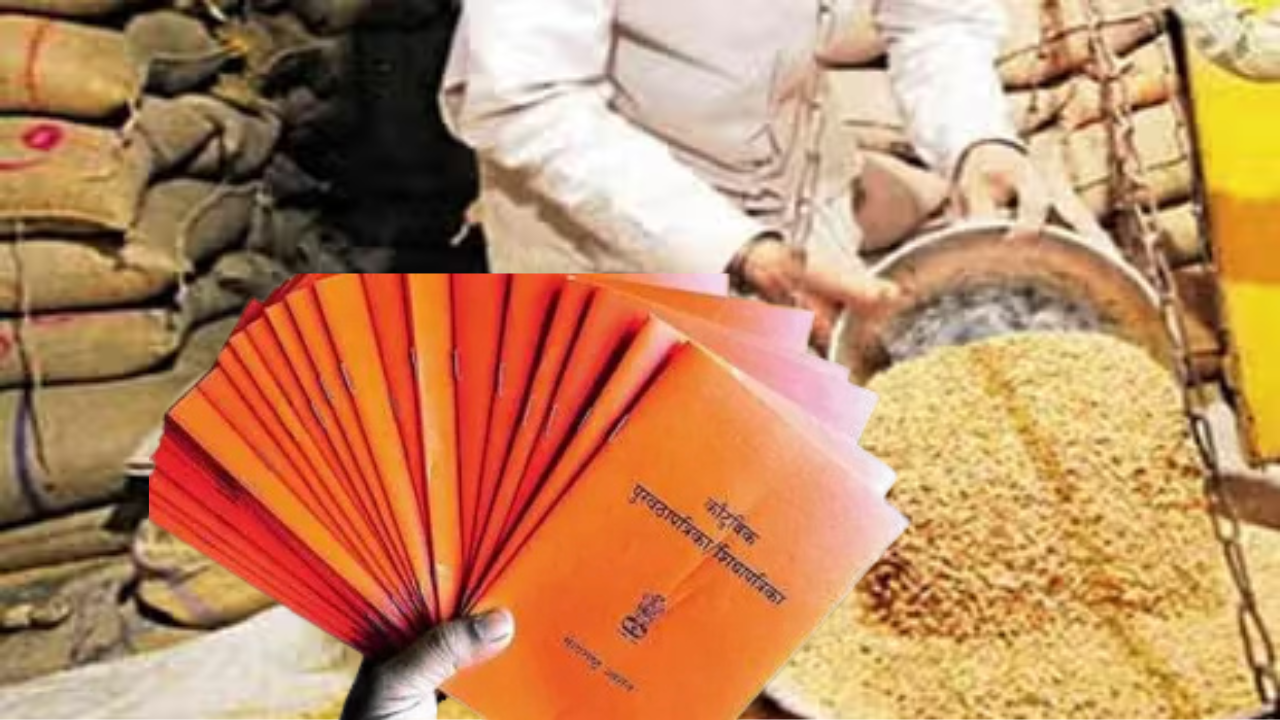
In a decisive step towards maintaining transparency and checking fraud in the state’s public distribution system, the Ujjain administration has launched a widespread action against a ration card scam that had been troubling consumers and welfare authorities for months. As part of this anti-corruption initiative, the authorities cancelled 132 ration cards found to be fraudulent, ensuring that rightful beneficiaries are not deprived of government welfare schemes.
The move is being seen as a clear signal from the administration that corruption will not be tolerated, particularly in schemes aimed at ensuring food security for the poor and marginalized citizens. These steps are expected to restore faith in the implementation of government initiatives that directly impact the lives of people in both urban and rural communities of Ujjain district.
Investigation and Discovery of Irregularities
According to officials, the fraud came to light after discrepancies were observed in the records of beneficiaries under the Public Distribution System (PDS). Several ration cards were found to have been issued to ineligible individuals who did not qualify under the prescribed norms of government food security schemes.
A detailed inquiry revealed that certain duplicate cards were being used to draw subsidized rations, while in some cases, individuals with higher incomes—who fall outside the eligibility bracket—had managed to secure ration cards intended only for economically weaker sections. Such activities not only deprived genuine beneficiaries of their entitled food grains but also imposed an unnecessary burden on the state’s subsidized food system.
The thorough verification drive by teams from the Food and Civil Supplies Department, backed by the district administration, led to the identification of 132 fake and fraudulent ration cards. Officials emphasized that this is an ongoing scrutiny initiative, and more cancellations are likely if further irregularities come to light.
Protecting the Rights of Genuine Beneficiaries
The essence of such measures lies in ensuring fairness in access to food subsidies. Ujjain district officials noted that for years, fake cards and irregular practices had been weakening the foundation of welfare delivery. Many deserving families in rural villages often complained of rations being delayed or denied due to the diversion caused by fraudulent card holders. By cancelling these 132 cards, the administration has opened a path to redirect resources directly to those who actually need them.
Authorities also clarified that the cancellation will not affect legitimate beneficiaries. To build public confidence, citizens have been encouraged to verify their ration card details online or via local fair price shops. Additionally, a helpline has been set up to assist families in checking their eligibility and to register complaints if any deserving household is still left out of the welfare scheme.
Transparency and Accountability as Administrative Priorities
With corruption in the ration system being an age-old challenge for public distributors across India, the Ujjain action highlights the government’s emphasis on ensuring accountability. The administration’s coordinated drive is being hailed as a model for addressing systemic fraud through data-driven checks, field verification, and citizen participation.
Officials further announced that technological improvements are being integrated into the ration card verification system. The use of Aadhaar-based authentication and digitized beneficiary databases is expected to minimize duplication and misuse in future. Regular audits will also act as a deterrent for those trying to manipulate the system for personal gain.
Public Reaction and Local Impact
The decisive step has been welcomed by many locals, particularly those from rural backgrounds who depend heavily on subsidized food grains. Social activists and consumer rights groups of Ujjain have expressed satisfaction that the government is listening to grievances and acting quickly to cleanse the system. Many demanded regular monitoring, not just one-off cancellation drives, to ensure benefits reach the intended poor families every month without leakage.
In areas where cards have been cancelled, village committees and local leaders have been asked to assist genuine citizens in reapplying if they were mistakenly dropped. This approach, according to officials, will help avoid hardship during the transition period. Several beneficiaries who had long complained about ration diversion expressed hope that essential commodities such as wheat, rice, and pulses would now be available in full quota at fair price shops.
Broader Message Against Corruption
Observers believe the Ujjain action against ration card fraud is more than just an isolated crackdown. It sends a broader signal that the administration is committed to the fight against corruption across critical sectors. Welfare schemes, especially those related to nutrition, health, and food, form the backbone of social security for millions. Any irregularities in these can cause widespread discontent and directly impact vulnerable sections of society.
The cancellation of 132 cards might appear modest in scale, but it reflects a proactive stance toward ensuring equitable access to public resources. If sustained and replicated in other districts, such drives could significantly reduce leakages in the state’s welfare supply chains.
Way Forward
The Ujjain administration has outlined plans to maintain consistent checks, including quarterly reviews of ration card records, improved grievance redressal mechanisms, and greater citizen awareness about eligibility criteria. Technology, transparency, and community participation are likely to be the cornerstones of the government’s future reform strategy in the PDS sector.
For citizens, this development underscores the importance of vigilance. Authorities have urged families to avoid middlemen or agents and to directly engage with official channels to secure their entitlements. By strengthening accountability at every step—right from card issuance to the delivery of rations—the administration hopes to create a self-correcting system that benefits society at large.
As Ujjain takes this strong step against fraudulent practices, the move stands as an example for other regions grappling with similar issues. The city has demonstrated that sustained vigilance, public cooperation, and strict enforcement together can fight corruption, safeguard welfare schemes, and restore trust in governance.