The Government of Nepal has lifted its ban on over two dozen social media platforms following unprecedented youth-led protests that swept the country earlier this week. The demonstrations, which erupted in response to digital restrictions and mounting frustrations over economic opportunities and corruption, resulted in at least 19 fatalities and over 100 injuries, marking the deadliest civil unrest in Nepal in recent decades.
Background: Social Media Shutdown Sparks Outrage
On September 4, Nepal’s Ministry of Communication and Information Technology ordered a nationwide ban on 26 major social media sites, including Facebook, WhatsApp, YouTube, Instagram, and X (formerly Twitter). Authorities claimed the platforms had failed to comply with new government registration and oversight requirements, stating the measures were aimed at tackling online “fake news” and hate speech.
However, critics and rights groups denounced the ban as an instrument of censorship, noting the timing coincided with a surge in online activism by Nepali youth, highlighting issues of nepotism and corruption tied to political leaders.
Gen Z Mobilization: Widespread and Deadly
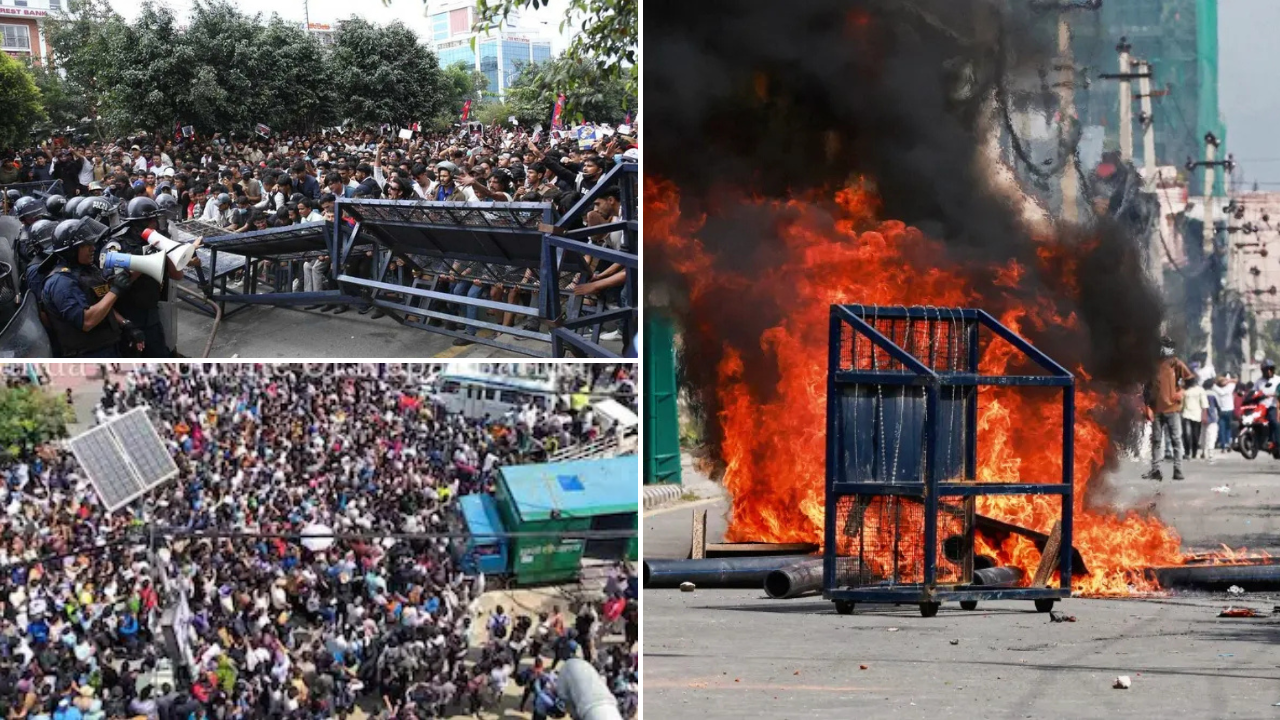
Within days of the ban, Nepal’s Generation Z individuals aged 13 to 28 organized mass demonstrations in Kathmandu and other cities, demanding digital freedom and government accountability. On September 8, tens of thousands gathered at key locations including Maitighar Mandala and the federal parliament building, chanting slogans such as “Combat corruption, not social media,” and waving the Nepali flag.
Protesters expressed deep frustration over limited economic opportunities, systemic corruption, and the government’s apparent disregard for youth concerns. “All Nepali citizens are fed up of corruption. Every youth is going outside the country. So, we want to protect our youth and make the country’s economy better,” said one protester in a statement to Reuters.aljazeera+1
Clash, Curfew, and Tragedy
The demonstrations escalated rapidly, culminating in violent confrontations outside Parliament. Security forces responded with tear gas, water cannons, rubber bullets, and, according to eyewitnesses and hospital officials, live ammunition. At least 17 protesters were killed in Kathmandu, with two additional deaths reported in the eastern city of Itahari. Hospitals treated hundreds of injured demonstrators, many suffering gunshot wounds to the head and chest.
To regain control, authorities declared an indefinite curfew in Kathmandu and neighboring Lalitpur, restricting all public gatherings. Educational institutions were shuttered, and deployment of armed forces in city centers intensified.
Domestic and International Reactions
The scale of violence and loss of life provoked immediate national and global condemnation. The UN Human Rights Office said it was “shocked” at the deaths and called for a “prompt and transparent investigation.” Amnesty International described the use of live ammunition against peaceful protesters as a grave breach of international law, urging the Nepalese government to ensure accountability for “unnecessary or disproportionate” use of force.
Former Nepali Home Minister Ramesh Lekhak resigned on moral grounds amid mounting criticism, and leaders from opposition parties as well as some in Prime Minister KP Sharma Oli’s coalition demanded further inquiries and reforms.
Government Response and Policy Reversal
Facing overwhelming public pressure and growing international scrutiny, Nepal’s cabinet convened a crisis meeting late Monday. Speaking afterwards, Communications Minister Prithvi Subba Gurung confirmed, “We have lifted the shutdown of social media. They are operational again.” By Tuesday morning, access to all previously blocked platforms was restored countrywide.
Prime Minister KP Sharma Oli expressed condolences for those killed and stated, “Our government is not negative toward the demands raised by the Gen Z generation”—although he blamed “infiltration by various vested interest groups” for the escalation, without offering further details.
Oli and senior administration officials pledged a full investigation into the deaths and promised to review policies restricting online expression.
Broader Context: Generational Frustration and Hope
The recent protests reflect deep-seated generational frustration at perceived corruption, lack of opportunities, and political exclusion. Nepal’s Gen Z—many of whom participate in global digital conversations—have repeatedly pressed for modernization, transparency, and an end to privileges for political elites and their families.
While the government has responded with concessions, many organizers insist the movement is far from over. The lifting of the social media ban is widely regarded as a victory for digital freedom and youth activism, yet it remains unclear whether the underlying issues of corruption and economic stagnation will be adequately addressed.
Looking Ahead
Nepal stands at a pivotal moment: the fallout from these protests could usher in new demands for reform or deepen long-standing divisions. Civil society groups and international human rights organizations continue to urge the government to engage constructively with young people and uphold fundamental rights to peaceful assembly and free expression.