
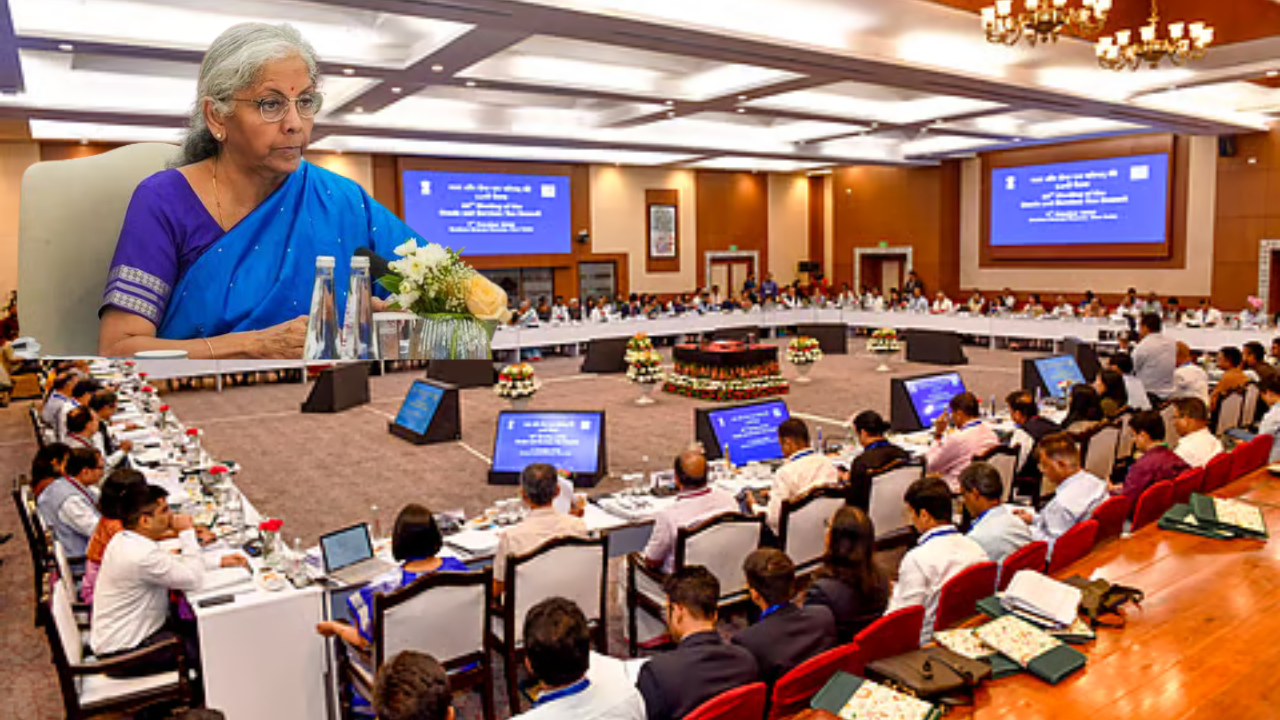
The 56th GST Council meeting, chaired by Finance Minister Nirmala Sitharaman, is a landmark event poised to bring significant changes to India’s Goods and Services Tax regime. Scheduled for 2025, this high-stakes gathering has generated widespread anticipation among traders, businesses, and consumers, as it may introduce a simplified two-slab GST system and reduced tax rates ahead of the festive season. These reforms are expected to herald the “Diwali gift” promised by Prime Minister Narendra Modi, aimed at boosting consumption, easing compliance, and rationalizing indirect taxes across sectors.
Simplification and Rationalization of GST Slabs Since its introduction in 2017, GST in India has operated with multiple tax slabs—currently 5%, 12%, 18%, and 28%. The Council is now considering rationalizing these into a simpler structure with two main slabs: 5% for essential goods and services, and 18% for standard goods. Additionally, a distinct “sin tax” slab of 40% will apply to select items such as tobacco and luxury automobiles, replacing the current cess system on luxury and sin goods.
The rationale behind the rate rationalization is to streamline the tax framework, minimize disputes, and reduce the compliance burden on businesses—especially MSMEs—while fostering greater simplicity and transparency. Experts predict this restructuring could significantly inflate domestic consumption by making a broad spectrum of goods more affordable and simplifying tax administration.
Items Likely to Become Cheaper The GST Council is expected to approve a raft of rate cuts affecting diverse consumer sectors:
Automobiles: Small cars with engines under 1200cc and motorcycles below 350cc are poised to see a reduction from 28% to 18%. Auto parts may also benefit from this cut.
Hospitality & Entertainment: Hotel stays (under Rs 7,500 per night) and movie tickets currently taxed at 12% may be trimmed to a 5% GST rate, making leisure activities more affordable.
Healthcare: Significant relief is anticipated for the healthcare sector. Cancer drugs might become exempt from GST altogether, while other medicines and essential medical supplies may see a rate drop from 12% to 5%. Health and life insurance products for individuals are also likely to be exempt.
Daily-Use Goods: Items such as paneer, pizza bread, various dairy products, fruit juices, coconut water, butter, cheese, pasta, and ice cream may either be exempted or shifted from 12% to 5%, reducing prices for everyday consumers.
Agriculture & Fertilisers: Inputs like sulphuric acid, nitric acid, and ammonia may have their tax slabs cut from 18% to 5%, which could benefit farmers by reducing input costs.
Textiles & Apparel: A sweeping cut is expected in textiles, with synthetic yarns, man-made fibres, carpets, and handicrafts moving from a 12% to a 5% tax bracket. However, clothing priced above Rs 2,500 may move up from 12% to 18%.
Green Technology: Solar cookers, part of sustainable energy initiatives, are likely to see GST cut from 12% to 5%.
Stationery & Toiletries: Stationery like erasers may become exempt, while notebooks, maps, and atlases could see GST reduced from 12% to 5%. Toiletries including toothpowders, shampoo, oils, and soaps are slated for a rate drop to 5%, with toothpaste moving down from 18% to 12%.
Miscellaneous: Umbrellas may also see a tax cut to 5%, and hotel room bookings may be more affordable with a reduction in the GST slab from 12% to 5%.
These changes mark a comprehensive effort to ease the tax burden on middle-class households and daily consumers, thereby increasing disposable incomes and stimulating market demand.
Items That May Cost More While the reforms are consumer-friendly overall, certain categories may experience increased taxes:
Luxury and Sin Goods: The tax on luxury automobiles and sin products such as tobacco and pan masala could jump to a 40% GST slab, a measure aimed at discouraging consumption of unhealthy or luxury items while enhancing government revenue.
Electric Vehicles (EVs): In a surprising twist, four-wheeled EVs priced between Rs 20 lakh and Rs 40 lakh could face an increase in GST from 5% to 18%, while luxury EVs above Rs 40 lakh may be subjected to the 40% sin tax. This move seeks to balance subsidies and revenues amid the growing EV market.
Coal and Energy Products: Coal, which currently attracts 5% GST plus cess, may be shifted to an 18% GST without cess, potentially increasing costs for power producers and impacting electricity tariffs.
Economic and Market Impact Industry experts believe that the GST slab rationalization and rate cuts could act as a powerful stimulus for consumption growth, particularly benefiting the middle class. By lowering taxes on essential goods and services, the reforms aim to increase affordability, stimulate demand, and support private investment. This is anticipated to create a ripple effect across sectors such as automobiles, textiles, pharmaceuticals, and FMCG.
The government acknowledges a possible revenue shortfall, estimated at around Rs 50,000 crore, but views the changes as a worthwhile tradeoff for boosting economic activity and improving the ease of doing business in India. The reforms are part of a broader strategy for “Next-Generation GST,” expected to bring structural changes and compliance simplifications, such as streamlined registration, pre-filled returns, and faster refunds.
Outlook and Implementation The outcomes of the two-day meeting could be implemented as early as the Diwali festive season 2025, aligning with Prime Minister Modi’s promise of a “Diwali gift” for traders and consumers. The GST Council’s consensus-driven approach ensures coordination between the Centre and states, reflecting cooperative federalism in tax policymaking.
In summary, the 56th GST Council meeting is set to usher in a historic reform phase, simplifying the tax structure and easing the overall tax burden on many goods and services, while maintaining higher levies on sin and luxury items to balance fiscal needs. These changes are expected to revitalize domestic consumption, ease compliance for businesses, and create a more straightforward and transparent GST regime in India.
Specific household items will see GST fall to 5 percent
Specific household items likely to see the GST fall to 5 percent under the proposed new GST regime include a broad range of commonly used daily essentials that currently attract 12 percent GST. These items are expected to become cheaper with the lower tax rate, benefiting middle and lower-income households.
- Personal care products: Toothpowders, toothpaste, soaps, shampoo, hair oil, toothpowders, and toiletries such as oils and bath soaps.
- Kitchen and cooking essentials: Pressure cookers, cookware and utensils made of aluminium or steel, small-capacity washing machines, electric irons, geysers, water filters (non-electric types), and kitchen utensils.
- Food and beverages: Paneer, pizza bread, fruit juices, coconut water, butter, cheese, pasta, ice cream, nuts, and certain beverages such as non-aerated drinks.
- Stationery and educational items: Notebooks, exercise books, geometry boxes, maps, charts, atlases, drawing and colouring books.
- Household utility items: Umbrellas, sewing machines, bicycles, vacuum cleaners (low capacity, non-commercial), ceramic tiles (basic variants), and ready-mix concrete.
- Apparel and footwear in specified price ranges: Readymade garments priced over Rs 1,000 and footwear priced between Rs 500 and Rs 1,000.
- Healthcare essentials: Vaccines, certain diagnostic kits, Ayurvedic and Unani medicines, and other essential medical supplies.
- Agricultural inputs and tools: Items like sulphuric acid, nitric acid, ammonia, and agricultural tools.
Everyday FMCG items are likely to move from 12% to 5%
- Personal care products such as soaps, toothpowders, hair oils, shampoos, and toiletries.
- Household cleaning and care items like detergents, dishwashing liquids, and surface cleaners.
- Food and beverage items including paneer, pizza bread, fruit juices, coconut water, butter, cheese, pasta, and ice cream.
- Dairy products such as milk, ghee, butter, and ice cream varieties.
- Bakery items including bread and biscuits.
- Processed foods and milling products such as maida (flour), besan, rawa, and other staples.
Certain beverages like non-aerated fruit juices and health drinks.