
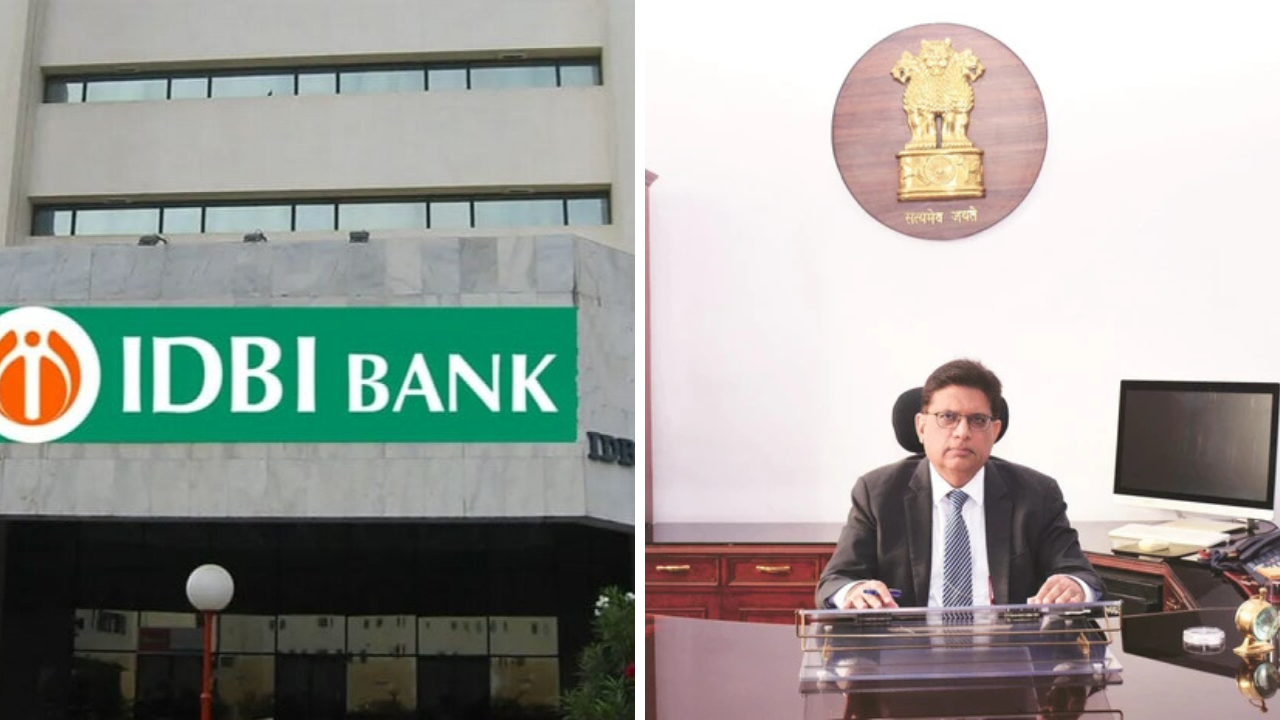
The Government of India has reaffirmed its commitment to the strategic disinvestment of IDBI Bank, announcing that the core phase of the privatisation process is expected to be finalized by March 31, 2026. The process has been advancing steadily, with due diligence currently being conducted by qualified bidders, signaling strong investor interest in one of India’s largest banking divestments.
The move is a key part of the government’s broader agenda to strengthen the efficiency of the banking sector, reduce its direct stake in state-run financial institutions, and encourage private-sector-led growth. IDBI Bank, which has a strong legacy in India’s financial ecosystem, is being positioned as a significant opportunity for private investors to acquire a controlling stake in a systemically important lender.
Ongoing Due Diligence by Potential Investors
The Department of Investment and Public Asset Management (DIPAM), along with the Life Insurance Corporation of India (LIC), the current largest shareholder in IDBI Bank, has confirmed that qualified bidders are actively carrying out due diligence. This stage involves a comprehensive assessment of IDBI Bank’s financials, loan book quality, asset base, regulatory compliance, and long-term business prospects.
Government officials noted that the due diligence process is crucial to ensure that interested investors have complete visibility of IDBI Bank’s operations and risk profile. This transparency is expected to facilitate smoother negotiations and valuation exercises in the subsequent phases of the transaction.
Privatisation Roadmap
The government, which currently holds over 45% stake in IDBI Bank, and LIC, which holds nearly 49%, are working in coordination to offload a significant portion of their shareholding to private investors. Once complete, the privatisation of IDBI Bank would mark one of the most significant reforms in India’s financial sector in recent years.
The core phase of privatisation is expected to include:
- Completion of due diligence and submission of binding bids.
- Negotiations on valuation and structure of the deal.
- Transfer of management control to the successful bidder.
- Regulatory approvals from the Reserve Bank of India (RBI) and other statutory bodies.
By setting a clear deadline of March 31, 2026, the government has sent a strong signal of its determination to bring the process to closure within the current reform cycle.
Significance of the IDBI Privatisation
IDBI Bank has undergone a remarkable turnaround in recent years, with improved asset quality, profitability, and capital adequacy. The bank’s gross non-performing asset (NPA) ratio has been brought under control, while its net profit has registered consistent growth. These improvements, coupled with its wide branch network and digital infrastructure, have made IDBI an attractive candidate for private investors seeking a strong foothold in the Indian banking space.
Privatising IDBI Bank is also expected to:
- Enhance competition in the Indian banking sector.
- Bring in global best practices in governance, technology adoption, and customer service.
- Support the government’s larger goal of reducing its footprint in commercial banking, thereby allowing it to focus more on regulation and policy rather than ownership.
Market and Investor Response
Market analysts have described the IDBI privatisation as a “watershed moment” for India’s banking reforms. With increasing foreign interest in India’s financial services sector, IDBI Bank offers both scale and growth potential. Industry experts believe that global financial institutions, private equity firms, and large Indian conglomerates could emerge as serious contenders.
The government has reassured stakeholders that the process will remain transparent, competitive, and in line with regulatory requirements, thereby protecting the interests of minority shareholders, depositors, and employees.
“We are moving as per the roadmap. The due diligence process is progressing smoothly, and we expect to enter the binding bid phase soon. Our target remains to complete the core phase of IDBI Bank’s privatisation by March 31, 2026. This will be a landmark reform in India’s banking landscape.”
Broader Reform Context
The privatisation of IDBI Bank is part of the government’s broader strategic disinvestment program, which aims to unlock capital, reduce fiscal burden, and enhance operational efficiency in public sector enterprises. In the financial sector, this aligns with the government’s vision of “minimum government, maximum governance.”
IDBI Bank’s privatisation will likely serve as a test case for future reforms, including potential disinvestment in other public sector banks and financial institutions.
As the government and LIC work towards completing the privatisation process, IDBI Bank stands at the cusp of a transformative chapter in its history. With a clear timeline set for March 2026, all stakeholders—from policymakers to investors—are closely watching developments in what is poised to be one of India’s most significant financial transactions.
The successful completion of this exercise will not only redefine IDBI Bank’s future but also signal India’s growing maturity in balancing public ownership with private enterprise, ultimately benefiting customers, shareholders, and the broader economy.