
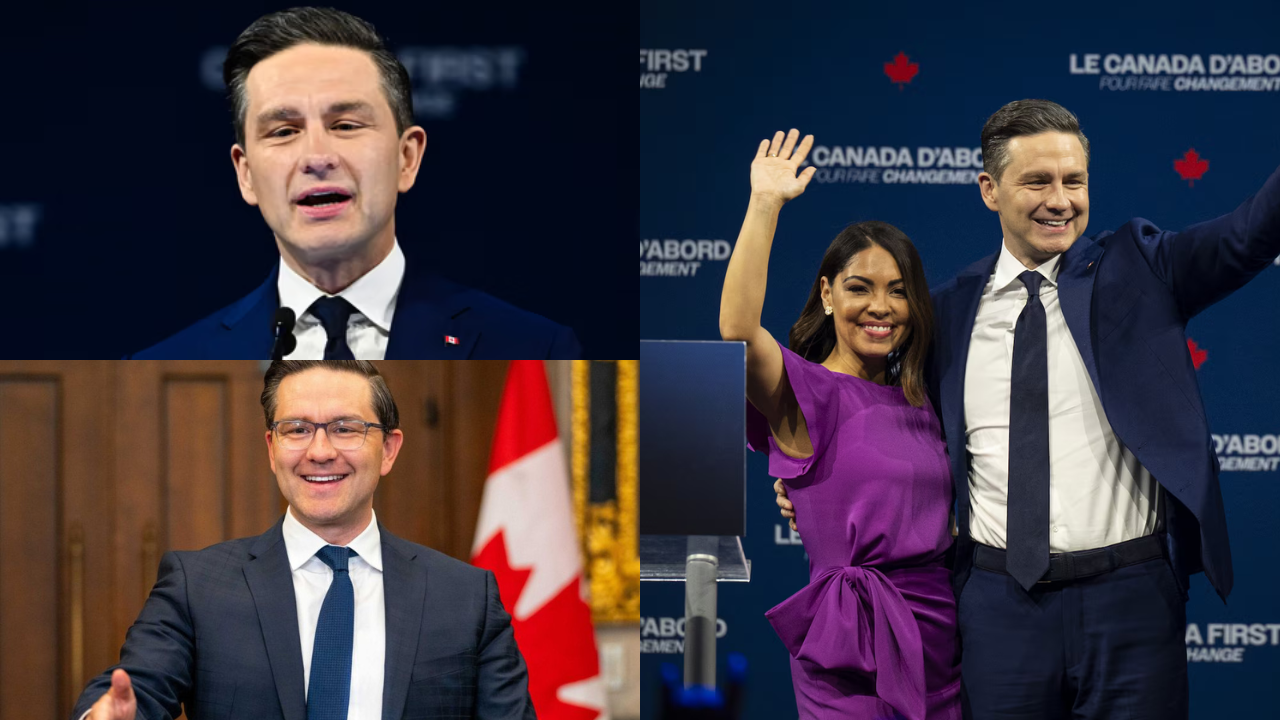
In a significant political development that has captured national attention, Conservative Party leader Pierre Poilievre has won the by-election, marking his return to Parliament and reaffirming his position as one of the most influential figures in Canadian politics today. The victory is widely seen as a pivotal moment for the Conservative Party of Canada (CPC) as it prepares for the next general election, reshaping the country’s political landscape.
A Strong Mandate from Voters Poilievre’s by-election triumph underscores both his personal popularity and his ability to mobilize Conservative support at a crucial time. The victory signals a renewed confidence among constituents in his leadership, policy positions, and vision for the future of Canada.
“This win is not just a local victory—it is a message from Canadians who are seeking competent leadership, fiscal accountability, and a clear plan to restore affordability and opportunity,” Poilievre said in his post-election address.
Observers note that Poilievre’s win reflects more than a return to Parliament; it represents a consolidation of his role as the main challenger to Prime Minister Justin Trudeau and the governing Liberal Party. His success in the by-election bolsters his credibility as a leader capable of connecting with everyday Canadians who are grappling with issues such as inflation, housing shortages, energy costs, and public safety.
Implications for the Conservative Party For the Conservative Party, Poilievre’s re-entry into Parliament arrives at a time when the party is working to unify its base, expand its appeal to urban and younger demographics, and sharpen its policy platform ahead of the next general election. The by-election outcome has reinvigorated grassroots supporters, donors, and party members who see in Poilievre a leader who can carry their message effectively on the national stage.
Political analysts suggest that this victory provides Poilievre with a stronger mandate to set the tone for parliamentary debates and hold the government accountable on key economic and social issues. With rising discontent over the cost of living and concerns about Canada’s long-term economic stability, his parliamentary presence is expected to intensify political debates and elevate Conservative proposals into the national conversation.
National Political Landscape The timing of Poilievre’s win is significant given the current challenges faced by the Trudeau government, including criticism over housing affordability, strained relations with provinces, and questions around Canada’s energy and environmental policies. The by-election result adds momentum to the Conservative narrative that Canadians are ready for change.
Political commentators have noted that while by-elections often have lower voter turnouts and localized factors, the national media coverage surrounding this contest gave it the feel of a referendum on broader political dynamics. Poilievre’s decisive performance is likely to energize Conservative supporters across the country while putting additional pressure on the Liberals and other opposition parties to respond.
Poilievre’s Vision for Canada Throughout his campaign, Poilievre emphasized affordability, economic growth, and restoring trust in Canadian institutions. He positioned himself as a leader who understands the struggles of working- and middle-class families, highlighting issues such as rising grocery prices, unaffordable housing, and the impact of inflation on household budgets.
He also reaffirmed his commitment to making Canada an attractive destination for investment and innovation, while pushing for stronger accountability in government spending. His campaign message resonated strongly with voters who have expressed frustration with the status quo and are seeking a fresh direction.
In his victory remarks, Poilievre stated: “Canadians want hope. They want a government that works for them, not against them. They want policies that make life affordable, housing attainable, and communities safe. Tonight’s victory is a step forward in delivering that vision.”
Reactions from Across the Spectrum Reactions to Poilievre’s win have been swift and diverse. Supporters within the Conservative Party celebrated the outcome as a turning point that solidifies his leadership and strengthens their position heading into the next election cycle.
Political opponents, while acknowledging his electoral success, emphasized the need to scrutinize his policies closely. Liberal and New Democratic Party representatives cautioned against what they characterized as “populist rhetoric,” insisting that Canadians require pragmatic, inclusive solutions to national challenges.
Nonetheless, even critics admitted that Poilievre’s ability to connect with voters on issues of affordability and economic fairness is a formidable force that will shape Canadian politics in the months ahead.
Looking Ahead As Pierre Poilievre returns to Parliament following his by-election win, his role in shaping debates and influencing national priorities will be closely watched. His victory not only strengthens his personal political standing but also recalibrates the dynamics of Canada’s federal politics.
For the Conservative Party, this momentum provides an opportunity to build broader support and position itself as the government-in-waiting. For Canadians, it signals the emergence of sharper political competition and a renewed focus on policies that address economic, social, and institutional concerns.
The coming months will be critical as Poilievre translates this electoral success into sustained national momentum. With a general election on the horizon, his return to Parliament marks the beginning of a new phase in Canadian politics—one that promises vigorous debates, heightened accountability, and a contest of ideas about the future of the country.